




In today’s digital world, software powers everything from mobile apps to critical systems in healthcare and finance. A single bug can lead to financial losses, security breaches, or even life-threatening errors. This is where software testing basics come into play. Software testing is the process of evaluating a system to identify defects, ensure functionality, and verify it meets user requirements. For beginners, mastering software testing basics for beginners builds a strong foundation for a career in quality assurance (QA).
Why is this topic crucial? According to a 2023 report by the Consortium for IT Software Quality (CISQ), poor software quality costs businesses over $2 trillion annually worldwide. Learning software testing basics helps developers, testers, and organizations deliver reliable products. Whether you’re exploring software testing basics tutorial resources or preparing for interviews with software testing basics interview questions, this guide covers it all. We’ll dive into types, techniques, principles, and more, including specialized areas like embedded software testing basics.
What is Software Testing?
At its core, what is software testing? It’s a systematic activity to check if the actual software product matches expected requirements and to ensure it’s defect-free. Testing involves executing the software under controlled conditions to find errors.
What is testing in software testing differs from debugging testing identifies issues, while debugging fixes them. The importance of software testing lies in improving reliability, usability, and performance. Without it, software could fail in production, leading to user dissatisfaction.
For multilingual learners, resources like software testing basics in Hindi are available on platforms such as YouTube or GeeksforGeeks. Key software testing terminology includes:
- Bug: A flaw causing incorrect behavior.
- Test Case: A set of conditions to verify functionality.
- Defect: A variance from requirements.
The 7 Principles of Software Testing
Understanding the 7 principles of software testing is essential in software testing basics. These guidelines, outlined by the International Software Testing Qualifications Board (ISTQB), ensure effective testing:
- Testing Shows Presence of Defects: Testing can prove bugs exist but not their absence.
- Exhaustive Testing is Impossible: Test all combinations? Impractical prioritize risks.
- Early Testing: Start testing during requirements to catch issues sooner.
- Defect Clustering: Most bugs cluster in a few modules.
- Pesticide Paradox: Repeat tests lose effectiveness; update them regularly.
- Testing is Context-Dependent: Methods vary by application (e.g., embedded software testing basics for hardware-integrated systems).
- Absence of Errors Fallacy: Bug-free software isn’t useful if it doesn’t meet user needs.
These principles form the backbone of any software testing basics tutorial.
The 7 Phases of STLC
The Software Testing Life Cycle (STLC) outlines structured testing. The 7 phases of STLC are:
- Requirement Analysis: Understand what to test.
- Test Planning: Define strategy, resources, and schedule.
- Test Case Development: Create detailed test cases.
- Test Environment Setup: Prepare hardware/software for testing.
- Test Execution: Run tests and log defects.
- Test Closure: Evaluate coverage and generate reports.
- Retrospection: Review process for improvements (sometimes considered an extension).
Mastering these phases is key in best training for software testing basics.
Types of Software Testing
Software testing types are categorized by levels, methods, and objectives. Here’s a breakdown:
Levels of Testing
The 4 stages of software testing include:
- Unit Testing: Tests individual components (e.g., functions).
- Integration Testing: Checks module interactions.
- System Testing: Evaluates the complete system.
- Acceptance Testing: Validates against user needs.
| Level | Purpose | Tools Example | Who Performs |
|---|---|---|---|
| Unit Testing | Isolate smallest parts | JUnit, NUnit | Developers |
| Integration Testing | Module interfaces | Postman, Selenium | Testers |
| System Testing | End-to-end functionality | Appium, LoadRunner | QA Team |
| Acceptance Testing | User satisfaction | Cucumber, UserAccept | End-users/Stakeholders |
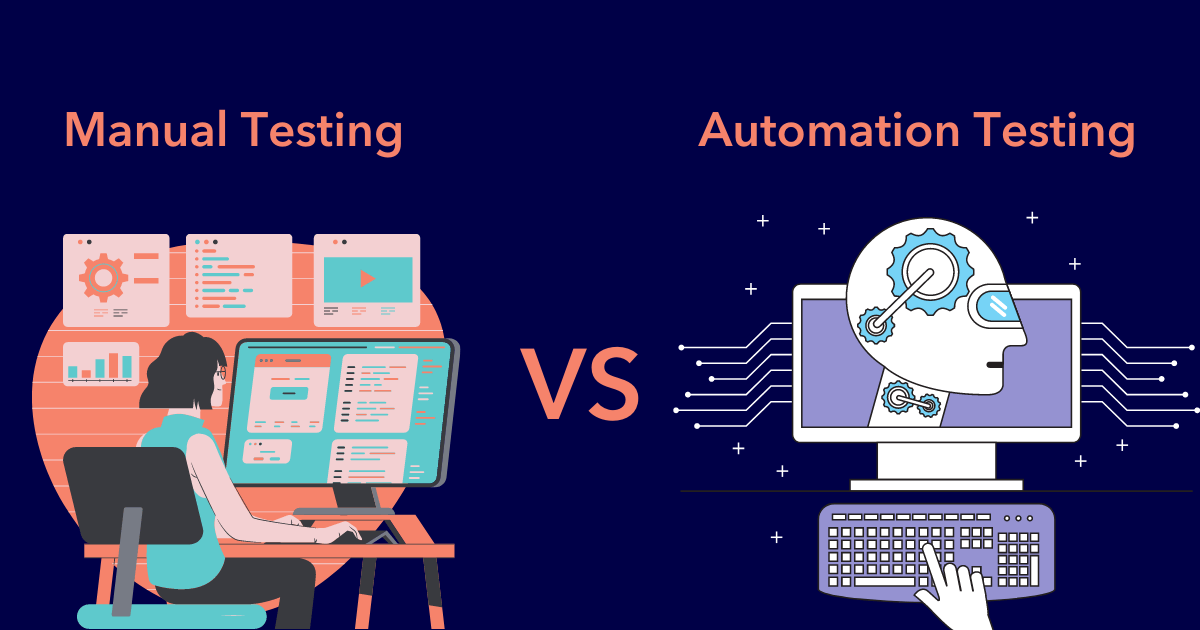
Manual vs. Automated Testing
- Manual: Human execution; ideal for exploratory testing.
- Automated: Scripts for repetition; uses software testing tools like Selenium or Appium.
Other Types
- Functional: What the system does (e.g., black-box).
- Non-Functional: How it performs (e.g., performance, security).
- Embedded Software Testing Basics: Focuses on firmware in devices like IoT or automotive systems. Involves hardware-in-loop (HIL) simulation due to real-time constraints.
Software Testing Techniques
Techniques in software testing basics help design effective test cases:
- Black-Box: Ignores code; focuses on inputs/outputs.
- White-Box: Examines internal logic (e.g., statement coverage).
- Grey-Box: Combination of both.
- Equivalence Partitioning: Divide inputs into valid/invalid groups.
- Boundary Value Analysis: Test edges of input ranges.
For visuals, check software testing basics videos on YouTube or software testing basics geeksforgeeks for diagrams.
Software Testing Tools
Popular software testing tools:
- Open-Source: Selenium (web), JMeter (performance), Postman (API).
- Commercial: HP ALM, TestRail.
| Tool | Type | Best For | Free/Paid |
|---|---|---|---|
| Selenium | Automation | Web UI | Free |
| JIRA | Defect Tracking | Project Management | Paid (free tier) |
| Appium | Mobile | Cross-platform | Free |
| LoadNinja | Performance | Load Testing | Paid |
Best Practices in Software Testing
To excel:
- Prioritize tests based on risk.
- Use version control for test scripts.
- Incorporate continuous integration (CI/CD).
- Document everything download a software testing basics pdf for templates.
- For embedded software testing basics, use emulators to simulate hardware.
Best training for software testing basics includes ISTQB certification or online courses on Udemy/Coursera.
Can I Learn Testing in 3 Months?
Yes, can I learn testing in 3 months? Absolutely for basics. Week 1-4: Learn concepts via software testing basics for beginners pdf. Month 2: Practice with tools. Month 3: Real projects and software testing basics interview questions.
Sample Interview Questions:
- Define defect leakage.
- Difference between verification and validation.
- Explain regression testing.
Prepare with software testing basics geeksforgeeks articles.
Resources for Learning Software Testing Basics
- Tutorials: Guru99, SoftwareTestingHelp.
- PDFs: Search for software testing basics pdf or software testing basics for beginners pdf on ISTQB site.
- Videos: FreeCodeCamp’s software testing basics videos.
- PPTs: SlideShare for software testing basics ppt.
Link to external: GeeksforGeeks Software Testing.
For internal learning, create a personal wiki linking sections like types to techniques.
FAQ
What are the 7 principles of software testing?
The 7 principles include testing shows defects, exhaustive testing is impossible, early testing, defect clustering, pesticide paradox, context-dependence, and absence of errors fallacy.
What are the 7 phases of STLC?
They are requirement analysis, test planning, test case development, environment setup, execution, closure, and retrospection.
Can I learn testing in 3 months?
Yes, focus on core concepts, tools, and practice. Beginners can grasp software testing basics for beginners quickly with dedicated study.
What are the 4 stages of software testing?
Unit, integration, system, and acceptance testing form the primary levels.
What is software testing?
It’s the process of verifying and validating software to ensure it meets requirements and is defect-free.
Why is software testing important?
It reduces risks, ensures quality, and saves costs vital in importance of software testing.
Where can I find software testing basics in Hindi?
YouTube channels like “CodeWithHarry” or Hindi tech blogs offer software testing basics in Hindi.
Conclusion
Mastering software testing basics equips you to build robust software. From the 7 principles of software testing to practical tools, this guide covers essentials, including embedded software testing basics. Start applying these today download a software testing basics pdf, watch software testing basics videos, or enroll in best training for software testing basics.