







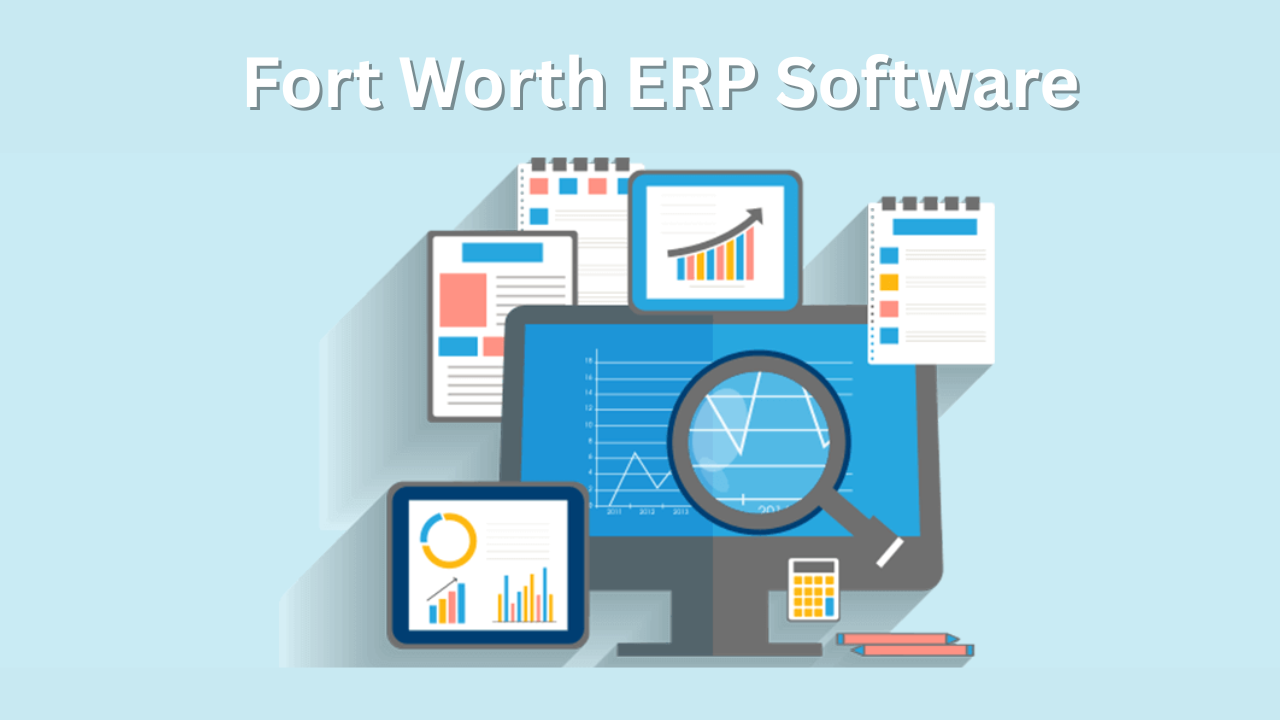
In the bustling heart of North Texas, Fort Worth stands as a powerhouse of economic growth, blending its cowboy heritage with modern innovation. As the 13th-largest city in the U.S., it hosts thriving industries from manufacturing and distribution to education and public services. Yet, amid this expansion, businesses face mounting pressures: fragmented data systems, inefficient workflows, and the need for real-time insights to stay competitive. Enter Fort Worth ERP software tailored enterprise resource planning solutions that integrate core operations like finance, inventory, HR, and supply chain into a single, seamless platform.
Why does this matter now? In 2025, Fort Worth’s population growth outpaces even New York City’s, fueling a boom in sectors like aerospace, healthcare, and logistics. Local companies, from small manufacturers to the Fort Worth Independent School District (FWISD), are turning to ERP to streamline processes and drive efficiency. Implementing Fort Worth ERP software isn’t just about technology; it’s about unlocking scalability in a city where agility defines success. This article dives into the top benefits, explores popular options, and addresses common queries, helping you decide if ERP is the right fit for your operations.
What Is Fort Worth ERP Software?
Fort Worth ERP software refers to enterprise resource planning systems customized or provided by local experts to meet the unique needs of businesses in Tarrant County and the Dallas-Fort Worth Metroplex. Unlike generic tools, these solutions consider regional factors like Texas’s supply chain dynamics, multi-site operations, and compliance with state regulations.
At its core, ERP unifies disparate systems think accounting software siloed from inventory tools into one database. This integration fosters collaboration across departments, reducing errors and boosting productivity. In Fort Worth, providers like Innormax, Madken Advisors, and Conexus SG specialize in implementations for mid-sized firms, often leveraging cloud-based platforms for flexibility.
For instance, the FWISD’s ongoing ERP Central project highlights how public entities use these tools for strategic staffing and budget planning, directly impacting student outcomes. Whether you’re a distributor handling TX ERP logistics or a manufacturer optimizing production, Fort Worth ERP software delivers a localized edge, with training and support just minutes away.
Key Benefits of Implementing Fort Worth ERP Software
Adopting Fort Worth ERP software transforms operational chaos into streamlined efficiency. Based on insights from local implementations, here are the standout advantages:
1. Streamlined Operations and Process Integration
One of the primary draws of Fort Worth ERP software is its ability to consolidate workflows. Manual data entry across spreadsheets and legacy systems? A thing of the past. ERP platforms like SAP Business One from Innormax merge finance, HR, and supply chain functions, cutting processing time by up to 50%.
In Fort Worth’s manufacturing hubs, this means real-time visibility into inventory levels, preventing stockouts during peak seasons. A local distributor using Sage Intacct reported a 30% reduction in order fulfillment errors, allowing faster response to client demands in the Metroplex.
2. Enhanced Data Visibility and Decision-Making
Data silos hinder growth, but Fort Worth ERP software provides a single source of truth. Dashboards offer real-time analytics, empowering leaders to spot trends like rising material costs in Texas’s volatile market before they escalate.
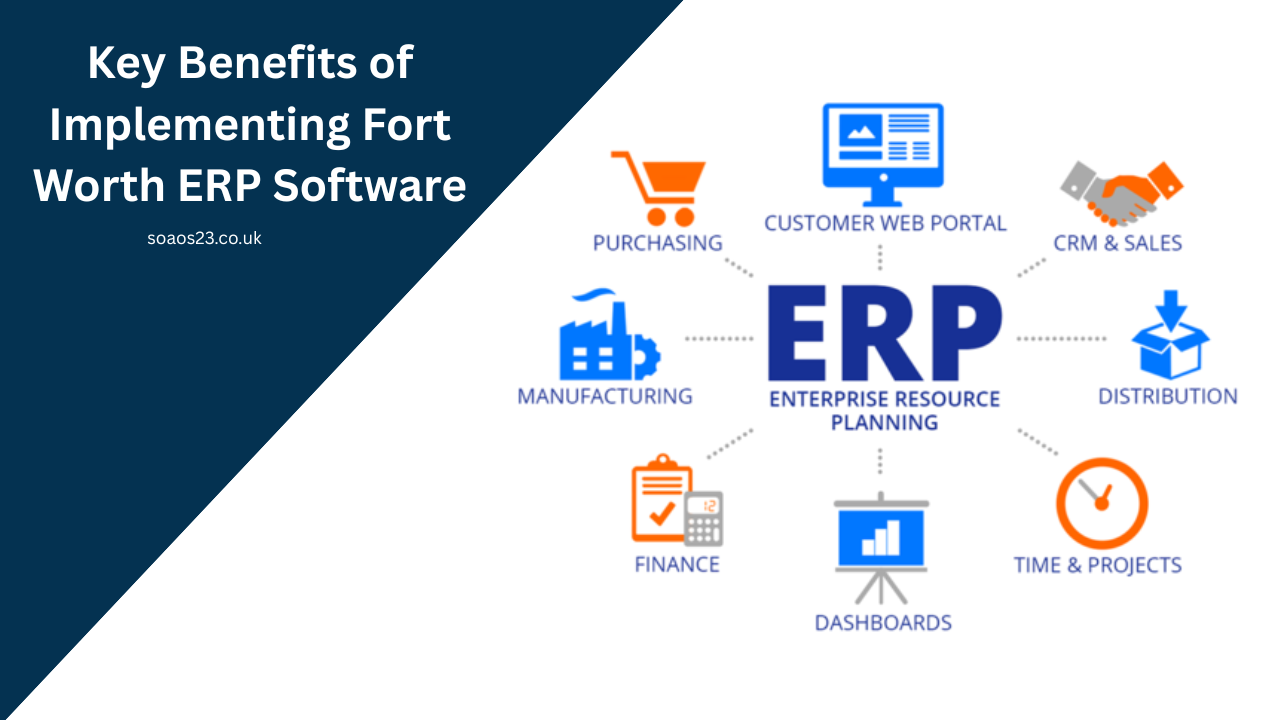
For example, ECI Software Solutions in Fort Worth equips users with business intelligence tools that visualize sales forecasts and resource allocation. This insight led one client to optimize their fleet routes, saving 15% on logistics in the DFW area.
3. Cost Savings and Resource Optimization
ERP isn’t cheap upfront, but the ROI is swift. Automation eliminates redundant tasks, reducing labor costs by 20-40%. Cloud options from providers like Conexus SG minimize hardware expenses, with subscription models scaling to your needs.
A mid-sized Fort Worth firm using Microsoft Dynamics saw a 25% drop in operational overhead within the first year, thanks to automated procurement and vendor management. These savings compound, especially for businesses eyeing expansion into Parker’s or Denton’s counties.
4. Improved Compliance and Security
Texas businesses navigate strict regulations, from sales tax to labor laws. Fort Worth ERP software embeds compliance features, automating audits and reports. Role-based access controls safeguard sensitive data, crucial in an era of rising cyber threats.
FWISD’s ERP rollout, for instance, ensures accurate position tracking and payroll, aligning with state education mandates. Local consultants emphasize secure integrations, protecting against breaches while maintaining audit trails.
5. Scalability for Growing Businesses
Fort Worth’s economy is exploding think aerospace giants and tech startups. Fort Worth ERP software scales effortlessly, adding users or modules without downtime. Cloud deployments from NetSuite partners allow seamless growth, from 10 to 100 employees.
One logistics company in the Alliance area expanded operations 40% post-ERP, crediting modular add-ons for handling increased volume without proportional cost hikes.
6. Boosted Employee Productivity and Satisfaction
Gone are the days of chasing emails for approvals. ERP’s intuitive interfaces and mobile access let teams focus on high-value work. Training via local programs, like those from Micro Accounting, ensures quick adoption.
Surveys show ERP users report 35% higher job satisfaction, as automation frees time for innovation. In Fort Worth’s service sector, this translates to faster client responses and fewer burnout cases.
Comparing Popular Fort Worth ERP Software Options
Choosing the right Fort Worth ERP software depends on your industry and size. Here’s a comparison table of top local offerings, based on features, deployment, and suitability:
| ERP Solution | Key Provider in Fort Worth | Deployment Options | Best For | Starting Cost (Annual, Mid-Size) | Key Strength |
|---|---|---|---|---|---|
| SAP Business One | Innormax | Cloud/On-Prem | Manufacturing, Retail | $10,000 – $50,000 | Customizable workflows |
| Sage Intacct | Madken Advisors | Cloud | Financial Services | $15,000 – $60,000 | Advanced reporting |
| Microsoft Dynamics | Conexus SG, CustomIS | Cloud/Hybrid | Distribution, Services | $20,000 – $75,000 | Seamless Microsoft integration |
| NetSuite | Conexus SG | Cloud | E-commerce, Multi-Site | $25,000 – $100,000 | Real-time analytics |
| ECI JobBOSS | ECI Software Solutions | Cloud/On-Prem | Job Shops, Discrete Mfg | $12,000 – $55,000 | Industry-specific tools |
People Also Ask: Answering Common ERP Queries
Fort Worth businesses often search for specifics on ERP adoption. Here’s what locals are asking:
Which ERP Is Used by TCS?
Tata Consultancy Services (TCS), a global IT leader with ties to Texas projects, primarily uses its proprietary TCS ERP on Cloud platform, built around SAP S/4HANA. This cloud-based solution handles migrations and modernizations for clients in manufacturing and high-tech. For Fort Worth firms partnering with TCS consultants, it offers scalable SAP workloads, reducing downtime by 40% in implementations.
Which One Is the Famous ERP Software?
SAP leads as the most famous ERP software, powering over 230 million cloud users worldwide. Its S/4HANA suite dominates in enterprises for its AI-driven insights and global scalability. In Fort Worth, SAP Business One variants are popular among mid-sized ops for affordability and integration. Other notables include Oracle NetSuite for cloud agility.
What Is the Best ERP Software?
In 2025, Oracle NetSuite ERP tops lists for its all-in-one cloud platform, serving 36,000+ global customers with CRM and e-commerce baked in. For Fort Worth’s SMBs, Sage Intacct excels in financials, while Epicor Kinetic suits manufacturers. The “best” hinges on needs cloud for flexibility, on-prem for control.
How Much Does ERP Cost in the US?
ERP costs in the US average $9,000 per user for implementation, with annual subscriptions from $20,000-$112,000 for mid-sized firms. Small businesses start at $10,000 total; enterprises exceed $1M. Factors like cloud vs. on-prem and customizations drive variance Fort Worth locals often save via subscription models from providers like Madken.
People Also Search For: Related Fort Worth ERP Topics
Searches for Fort Worth ERP software training, Fort Worth ERP software login, and more reveal practical needs. Local training from NetCom Learning covers Dynamics 365 fundamentals, with sessions emphasizing hands-on ERP navigation. For logins, FWISD’s ERP Central portal streamlines access for employees, integrating with Frontline Education for substitute teachers and police staff.
Tx ERP often points to state-wide systems, but in Fort Worth, it ties to logistics tools like those from MicroAccounting. Fort Worth ISD login via Focus or MUNIS Self-Services handles payroll and HR, while resources for Fort Worth substitute teacher roles and Fort Worth ISD Police use ERP for scheduling. The FWISD district’s legal department leverages it for compliance tracking, and Fort Worth ISD legal department queries highlight its role in contract management.
For deeper dives, explore Innormax’s SAP services or Madken’s Sage implementations.
FAQ: Frequently Asked Questions About Fort Worth ERP Software
1. How long does it take to implement Fort Worth ERP software?
Implementations typically span 6-12 months, depending on complexity. Local providers like Conexus SG offer phased rollouts, starting with core modules for quicker wins.
2. Is Fort Worth ERP software suitable for small businesses?
Absolutely options like Sage Intacct scale from 5-50 users, with costs under $15,000 annually. They’re ideal for Fort Worth startups in retail or services.
3. What training is available for Fort Worth ERP software?
Providers offer on-site and virtual sessions; NetCom Learning’s Dynamics courses run 2-5 days. FWISD’s ERP Central includes self-paced modules for educators.
4. Can Fort Worth ERP software integrate with existing tools?
Yes, most support APIs for CRM, QuickBooks, or Microsoft 365. CustomIS excels in Dynamics integrations for seamless TX ERP flows.
5. How secure is Fort Worth ERP software?
Top platforms feature encryption, role-based access, and compliance tools. ECI’s solutions, for instance, include audit trails for regulated industries.
6. What’s the ROI timeline for Fort Worth ERP software?
Most see breakeven in 12-18 months via 20-30% efficiency gains. Track metrics like reduced errors and faster reporting.
7. Does Fort Worth ERP software support mobile access?
Cloud-based systems like NetSuite do, enabling on-the-go logins for Fort Worth ERP software login via apps perfect for field teams.
Conclusion: Elevate Your Fort Worth Business with ERP
Fort Worth ERP software delivers transformative benefits: from cost savings and scalability to enhanced decision-making that keeps you ahead in Texas’s dynamic market. Whether streamlining FWISD operations or optimizing a manufacturer’s supply chain, these tools foster resilience and growth.
Ready to integrate? Assess your needs, consult local experts like MicroAccounting, and start with a demo. Your company’s next leap awaits don’t let outdated systems hold you back. Contact a Fort Worth ERP provider today and build a future-proof foundation.