






The UK home interiors sector has faced relentless pressure in recent years from rising costs, shifting consumer spending, and intense online competition. When a heritage brand like Fired Earth known for its premium handmade tiles, natural paints, and curated homeware entered administration in late 2025, the news sent ripples through the industry. The collapse led to the immediate closure of all 20 UK showrooms, the loss of 133 jobs, and questions about the viability of specialist luxury retailers in a tough economic climate.
The Fired Earth administration highlighted broader challenges: wage inflation, supply chain disruptions, and a slowdown in discretionary home improvement spending. For homeowners, designers, and trade customers who relied on the brand’s distinctive aesthetic, the event raised concerns about ongoing orders, warranties, and access to signature products like Fired Earth tiles and Fired Earth paint. Yet the story did not end with closure by December 2025, the brand was rescued through an asset sale, preserving its name and intellectual property for a new chapter.
This article examines the events surrounding the administration, the factors that contributed to the collapse, the rescue deal, and what it means for customers and the wider tiling and interiors market in 2026.
What Is Fired Earth? A Brief History of the Brand
Founded in 1983 in Oxfordshire, Fired Earth built its reputation on authentic, high-quality materials inspired by traditional craftsmanship. The company specialised in handmade ceramic and terracotta Fired Earth tiles for kitchens, bathrooms, and floors, alongside eco-friendly Fired Earth paint ranges and complementary homeware such as Fired Earth candles.
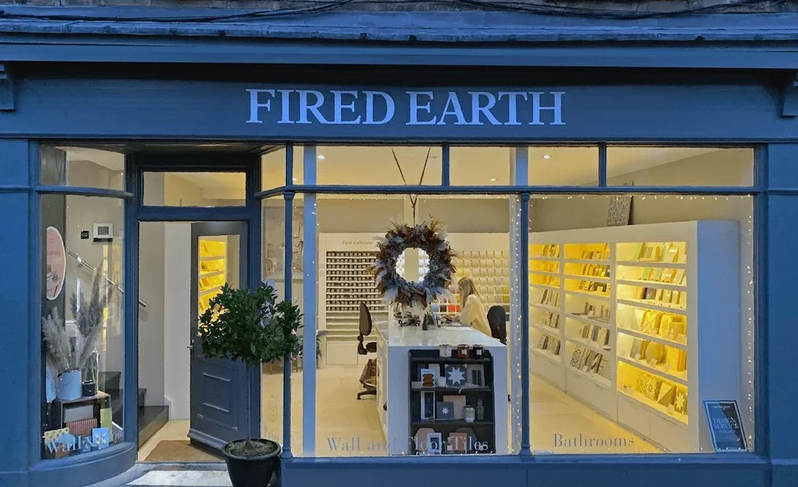
Over the decades, the brand expanded to 20 premium showrooms across the UK, including high-profile locations in Fired Earth London (New Kings Road, Islington) and affluent regional towns. It cultivated a loyal following among interior designers, architects, and homeowners seeking timeless, sustainable finishes.
The brand enjoyed notable collaborations, including exclusive ranges with Fired Earth Marks and Spencer, blending its heritage style with high-street accessibility. At its peak, Fired Earth stood as a symbol of British luxury interiors, but like many specialist retailers, it struggled to adapt to changing market dynamics.
Timeline of the Fired Earth Administration Process
The administration unfolded rapidly in late 2025:
- October 31, 2025: Joint administrators Dane O’Hara and Alex Cadwallader (later joined by Neil Bennett) from Leonard Curtis were appointed to Fired Earth Limited.
- Immediate impact: All 20 physical showrooms closed, with 133 employees made redundant. The Banbury head office and warehouse continued briefly to fulfil existing orders.
- November–December 2025: Administrators sought buyers for the business or its assets. An asset-only sale was pursued, excluding staff transfer.
- December 2025: Topps Tiles acquired key assets—including the brand name, website, intellectual property, and remaining stock—for approximately £3 million.
- 2026 status: The Fired Earth website now operates under new ownership, focusing on online sales and select trade channels. Physical showrooms remain closed, marking a shift to a leaner, digital-first model.
Administrators cited prolonged losses (including a £1.7 million deficit in the most recent full year), insufficient investor funding, and an inability to restructure effectively in the current form.
What Went Wrong? Key Factors Behind the Collapse
Several interconnected pressures contributed to the downfall:
- Rising operational costs: Wage inflation, energy bills, and logistics expenses eroded margins in a low-margin sector.
- Reduced consumer spending: Post-pandemic slowdown in home renovations hit discretionary purchases hard, especially premium products.
- Online competition: Specialist online tile retailers and big-box competitors offered lower prices and faster delivery, eroding showroom traffic.
- Heavy retail overhead: Maintaining 20 high-street showrooms in prime locations became unsustainable without sufficient footfall.
- Lack of viable turnaround: Despite cash injections from the parent/investor, no sustainable restructuring plan emerged.
The administration reflects a wider trend in UK retail where heritage brands struggle to pivot quickly enough in a digital, cost-conscious market.
The Rescue Deal: Topps Tiles Acquires Fired Earth Assets
In December 2025, Topps Tiles a leading UK tile retailer completed the purchase of Fired Earth’s brand assets. The deal preserved the name, product designs, and online presence while allowing Topps to integrate select ranges into its portfolio.
Under the new structure:
- Fired Earth tiles and paints remain available online and potentially through Topps showrooms or trade accounts.
- The focus shifts to e-commerce and B2B channels, reducing high-street costs.
- Customers with outstanding orders were contacted directly for resolution.
This rescue mirrors other retail administrations where brand value survives even as physical retail contracts.
What This Means for Customers and the Industry in 2026
For existing customers:
- Online orders continue via the Fired Earth website.
- Warranties and product support depend on the new owner’s policies.
- Showroom closures limit in-person browsing, but trade professionals can access ranges through Topps networks.
The tiling and interiors sector watches closely. The event reinforces the shift toward hybrid retail models strong online presence combined with selective physical touchpoints and highlights the importance of agility in luxury homeware.
Comparison: Fired Earth vs. Similar Retail Administrations (2024–2026)
| Brand | Year of Administration | Stores Closed | Jobs Lost | Outcome / Rescue | Key Lesson |
|---|---|---|---|---|---|
| Fired Earth | 2025 | 20 | 133 | Acquired by Topps Tiles (brand + IP) | Heritage value survives digitally |
| Other tile/homeware | Various 2024–2025 | Varies | Hundreds | Liquidation or partial sales | High-street overhead unsustainable |
| Broader retail cases | 2025–2026 | Multiple | Thousands | Online pivot or full closure | Speed of adaptation critical |
FAQ: Common Questions About the Fired Earth Administration
Has Fired Earth gone into administration?
Yes, Fired Earth Limited entered administration on October 31, 2025. All physical showrooms closed immediately, but the brand was rescued via asset sale to Topps Tiles in December 2025.
What is Fired Earth?
Fired Earth is a British interiors brand founded in 1983, specialising in premium handmade Fired Earth tiles, eco-friendly Fired Earth paint, and complementary homeware. It was known for its showrooms and collaborations (e.g., with Fired Earth Marks and Spencer).
What went wrong with Fired Earth?
Prolonged losses, rising costs (wages, energy, logistics), reduced consumer spending on home improvements, and unsustainable high-street overheads led to the collapse. Despite investor support, no viable turnaround plan materialised.
Is Fired Earth closing down?
Physical showrooms closed permanently in 2025, but the brand survives online and through the new owner (Topps Tiles). The Fired Earth website continues, and select products remain available.
Who is the Fired Earth owner now?
Following administration, Topps Tiles acquired the brand assets in December 2025. The Fired Earth administration owner during the process was Leonard Curtis (administrators).
Where can I buy Fired Earth products in 2026?
Primarily online via the official website or through Topps Tiles channels. Trade accounts may offer access to remaining stock or equivalent ranges.
Are there Fired Earth administration reviews from customers?
Customer feedback during the collapse focused on order fulfilment concerns. Post-rescue, early reviews praise continued online availability, though some lament the loss of in-person showrooms.
Conclusion: A New Chapter for a Classic Brand
The Fired Earth administration in 2025 marked a painful but not fatal turning point for the luxury tile and interiors specialist. Mounting losses and retail pressures forced closure of its beloved showrooms, but the swift asset sale to Topps Tiles preserved the brand’s heritage and product legacy for the digital era.
For customers, the transition means adapting to online and trade-focused purchasing. For the industry, it serves as a cautionary tale about balancing premium positioning with cost control and e-commerce agility.
If you’re a past Fired Earth customer or considering similar products, visit the official website or contact Topps Tiles for the latest availability. What are your thoughts on the brand’s future share below or explore alternative premium tile suppliers today. The interiors world keeps evolving—stay informed and inspired.