








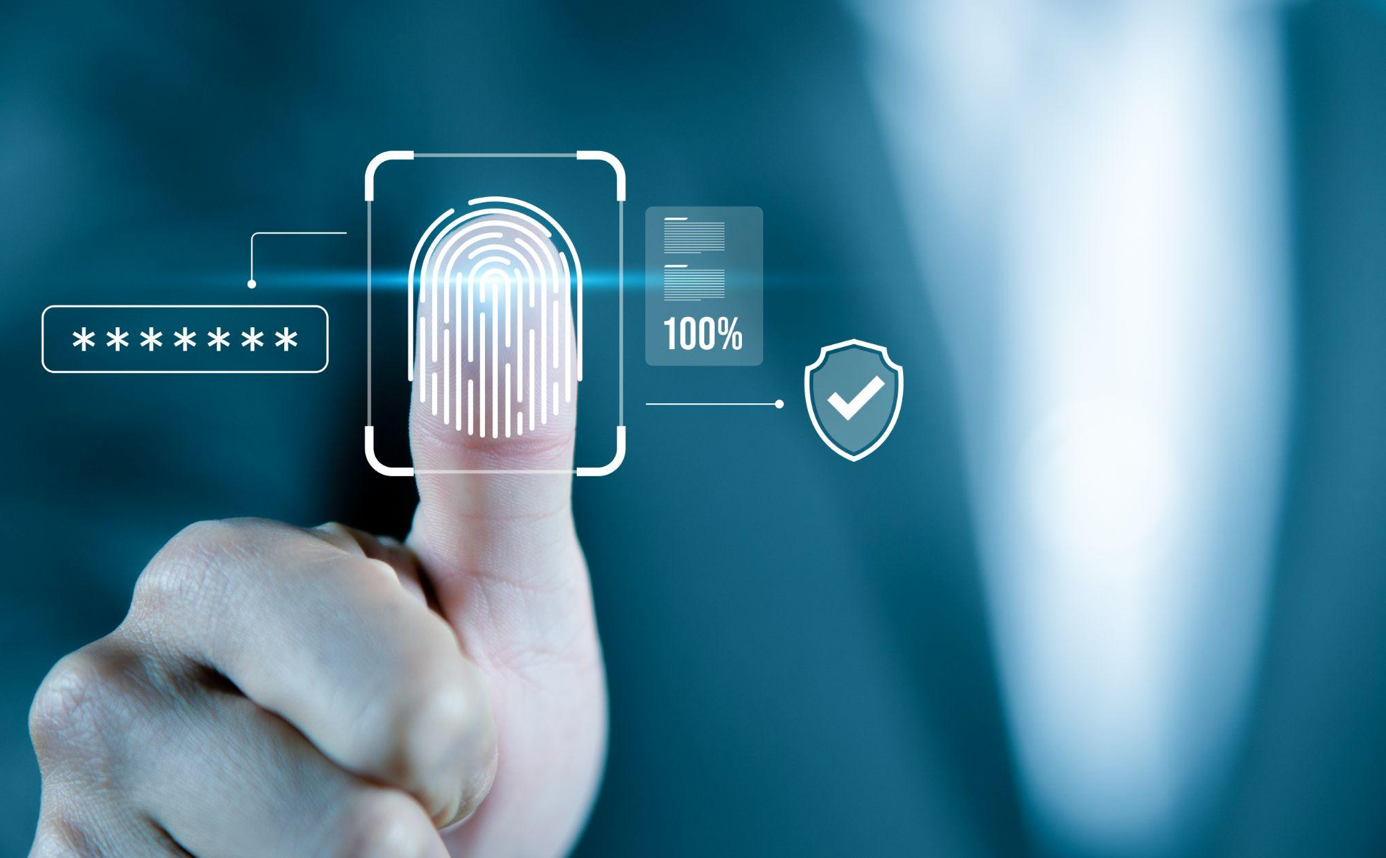
In an era where crime evolves alongside technology, law enforcement agencies worldwide are turning to advanced tools to stay ahead. Biometrics in law enforcement has emerged as a game changer, using unique physical or behavioral traits like fingerprints, facial features, iris patterns, and even voice to identify suspects, verify identities, and prevent crimes. From unlocking cold cases with DNA matching to real-time facial recognition at airports, these systems promise faster, more accurate investigations. But they also spark heated debates over privacy erosion, data breaches, and potential misuse. This article dives deep into the pros and cons of biometrics in law enforcement, exploring real-world applications, technological advancements, ethical dilemmas, and future implications. Understanding this balance is crucial as adoption accelerates global biometric market spending in policing is projected to exceed $10 billion by 2027, according to MarketsandMarkets reports.
What Is Biometrics in Law Enforcement?
Biometrics in law enforcement refers to the automated recognition of individuals based on biological or behavioral characteristics. Unlike traditional methods like passwords or ID cards, biometrics are inherently unique and difficult to forge. The FBI’s Next Generation Identification (NGI) system, for instance, houses over 150 million fingerprint records and integrates facial recognition for rapid searches.
Common types include:
- Fingerprints: The oldest and most reliable, used in AFIS (Automated Fingerprint Identification Systems).
- Facial Recognition: Analyzes facial geometry; tools like Clearview AI scrape billions of images from the web.
- Iris Scanning: High accuracy in controlled environments, such as border control.
- DNA Analysis: Matches genetic profiles from crime scenes.
- Voice and Gait Recognition: Emerging for surveillance.
These technologies integrate with databases like CODIS (for DNA) or INTERPOL’s biometric hubs, enabling cross-border collaboration. A 2023 NIST evaluation showed facial recognition accuracy exceeding 99% under ideal conditions, but real-world error rates can climb to 10-20% for diverse populations.
Historical Evolution of Biometrics in Policing
Biometrics didn’t start with AI. In the late 19th century, Alphonse Bertillon introduced anthropometry measuring body parts for criminal identification in France. Fingerprints gained traction in the 1890s, with Scotland Yard adopting them by 1901. The FBI formalized fingerprinting in 1924.
The digital shift began in the 1980s with AFIS. Post-9/11, the U.S. Patriot Act accelerated adoption, funding systems like US-VISIT for border biometrics. By the 2010s, mobile devices brought live facial recognition to patrols China’s Skynet system monitors over 600 million cameras.
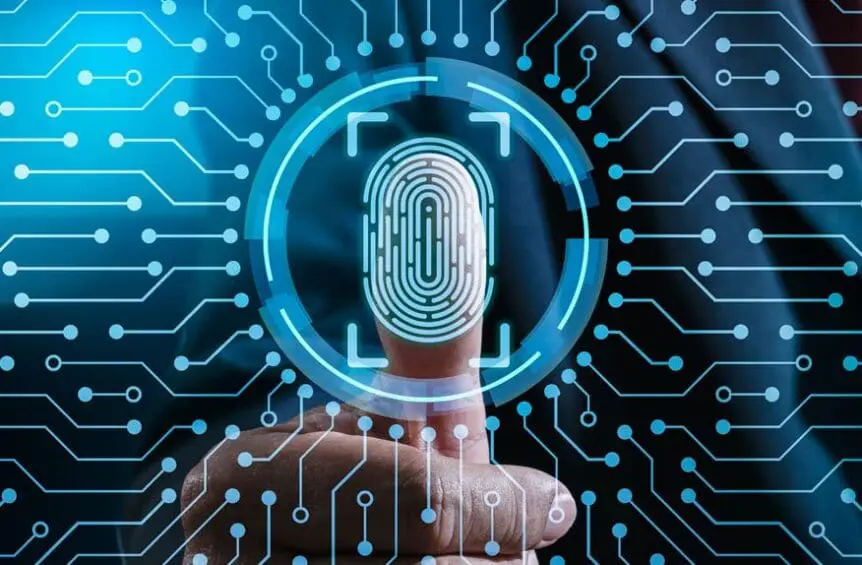
Today, AI-driven biometrics analyze video feeds in real-time. The EU’s Prüm Decision mandates DNA and fingerprint sharing among member states, processing millions of queries annually.
Key Applications of Biometrics in Law Enforcement
Identification and Arrests
Officers use handheld scanners for on-the-spot fingerprint checks against national databases. In the U.S., the Rapid DNA Act of 2017 allows booking-station DNA profiling in under two hours, speeding arrests for serious crimes.
Surveillance and Predictive Policing
Facial recognition flags persons of interest in crowds. London’s Metropolitan Police deployed it during the 2011 riots, identifying suspects from CCTV. Predictive tools like PredPol combine biometrics with location data to forecast crime hotspots.
Border Security and Immigration
Airports employ iris and facial scans for seamless traveler verification. The U.S. CBP’s biometric exit system captured over 100 million faces in 2024, reducing fraud.
Forensic Investigations
DNA phenotyping predicts suspect traits (e.g., eye color) from samples. The Golden State Killer case (2018) used genealogical databases to crack a decades-old mystery.
Access Control
Prisons use vein pattern recognition to prevent escapes or contraband smuggling.
Pros and Cons of Biometrics in Law Enforcement
The pros and cons of biometrics in law enforcement hinge on efficiency versus rights. Here’s a balanced breakdown:
| Aspect | Pros | Cons |
|---|---|---|
| Accuracy & Speed | Reduces human error; matches in seconds (e.g., NGI processes 100,000+ fingerprints daily). | False positives/negatives; NIST tests show higher errors for women, minorities, and children (up to 100x for some algorithms). |
| Crime Prevention | Deters recidivism; real-time alerts prevent crimes (e.g., facial rec at events). | Over-policing in marginalized areas; amplifies bias in training data. |
| Cost Efficiency | Lowers long-term investigation costs; automates manual reviews. | High upfront costs ($ millions for systems) and maintenance. |
| Security | Hard to forge; enhances evidence integrity. | Data breaches (e.g., 2019 Suprema leak exposed 1M+ fingerprints). |
| Public Safety | Solves cold cases; identifies missing persons quickly. | Privacy invasion; constant surveillance chills free speech. |
| Accountability | Auditable trails for officer actions. | Potential misuse (e.g., China’s Uyghur targeting via biometrics). |
Technological Advancements Driving Adoption
Machine learning has supercharged biometrics in law enforcement. Deep neural networks train on massive datasets, improving robustness against lighting or angles. Multimodal biometrics—combining face, voice, and gait—boost accuracy to 99.9%.
Edge computing enables on-device processing, reducing latency. 5G networks support live feeds from body cams. Quantum-resistant encryption addresses future hacking threats.
Challenges persist: Aging affects fingerprints; masks hampered facial recognition during COVID, prompting gait alternatives. Vendors like NEC and Idemia lead with adaptive algorithms.
For deeper tech insights, check NIST’s Face Recognition Vendor Test.
Privacy Concerns and Legal Frameworks
Privacy is the elephant in the room. The Fourth Amendment in the U.S. protects against unreasonable searches, but biometrics collected in public (e.g., via CCTV) often bypass warrants. The EU’s GDPR classifies biometric data as “special category,” requiring explicit consent or legal basis.
Landmark cases:
- Carpenter v. United States (2018): Supreme Court ruled cell-site data needs warrants; implications for location-tied biometrics.
- Illinois BIPA (Biometric Information Privacy Act): Requires notice and consent; led to lawsuits against Clearview AI.
Internationally, India’s Aadhaar system faced scrutiny for linking biometrics to services, with leaks affecting 1.1 billion people. Recommendations include data minimization, regular audits, and bias testing.
Ethical Considerations and Bias Mitigation
Ethics demand proportionality: Is scanning an entire stadium justified for one suspect? The pros and cons of biometrics in law enforcement extend to equity algorithms trained on skewed data perpetuate discrimination.
Mitigation strategies:
- Diverse training datasets.
- Independent audits (e.g., UK’s Biometrics Commissioner).
- Transparency reports.
- Human oversight for matches.
A 2024 Georgetown Law report urges “algorithmic impact assessments” before deployment.
Global Case Studies
United States
The FBI’s NGI integrates fingerprints, faces, and scars. Success: Identified the 2022 Waukesha parade attacker via tattoos. Controversy: San Francisco banned facial recognition in 2019, citing privacy.
China
Dahua and Hikvision power a vast network. Pros: Crime drop in monitored cities. Cons: Mass surveillance of minorities, per Human Rights Watch.
India
Delhi Police’s facial recognition identified 3,000+ missing children in days. But accuracy dips in diverse crowds.
Europe
Sweden’s 2020 trial faced fines for unlawful school use. Prüm exchanges resolved 1.2 million cases in 2023.
Future Trends in Biometrics for Law Enforcement
By 2030, expect:
- Behavioral Biometrics: Keystroke dynamics for cybercrime.
- Contactless Systems: Post-pandemic shift to touchless.
- AI Ethics Integration: Built-in fairness metrics.
- Blockchain for Data Security: Immutable audit trails.
Challenges: Deepfakes could fool systems; countermeasures like liveness detection are evolving.
Explore INTERPOL’s Biometrics Forum for global updates.
FAQ
1. What are the main pros and cons of biometrics in law enforcement?
The pros include faster identifications, reduced errors, and enhanced public safety. Cons involve privacy risks, bias in algorithms, high costs, and potential for misuse or data breaches.
2. How accurate is facial recognition in law enforcement?
Under controlled conditions, accuracy exceeds 99%, per NIST. However, real-world factors like lighting, angles, and demographics can cause error rates of 1-20% or higher.
3. Is biometric data in law enforcement secure?
Agencies use encryption and access controls, but breaches occur (e.g., 2021 OPM hack). Best practices include anonymization and regular security audits.
4. Do biometrics violate privacy rights?
It depends on context and jurisdiction. Public surveillance often doesn’t require consent, but laws like GDPR mandate protections. Courts increasingly require warrants for invasive uses.
5. Can biometrics help solve cold cases?
Yes—DNA databases like CODIS have resolved thousands, including high-profile cases like the Grim Sleeper.
6. What regulations govern biometrics in law enforcement?
In the U.S., state laws like BIPA; federally, none comprehensive. EU has GDPR and AI Act. International standards via ISO/IEC.
7. Are there alternatives to biometrics in policing?
Traditional methods like witness statements, forensics, and AI-free surveillance persist, but biometrics offer unmatched speed for large-scale ops.
Conclusion
Biometrics in law enforcement transforms policing by delivering precision and efficiency, but the pros and cons of biometrics in law enforcement underscore the need for careful implementation. Agencies must prioritize transparency, bias audits, and robust privacy safeguards to build public trust. As technology advances, ongoing dialogue between lawmakers, technologists, and citizens is essential. If you’re in law enforcement or policy, review your agency’s biometric policies today visit resources like the Electronic Frontier Foundation for advocacy tools, or consult NIST guidelines to ensure ethical deployment. The future of secure, fair policing depends on it.