





In an era where smartphones have become extensions of our very thoughts streaming endless playlists, capturing life’s fleeting moments, and connecting us across continents one concept is quietly challenging the status quo. Enter CDiPhone, a visionary hybrid smartphone that fuses the tactile charm of compact discs (CDs) with the seamless efficiency of modern mobile tech. Born from a wave of nostalgia amid the digital deluge, CDiPhone isn’t just a gadget; it’s a bridge between yesterday’s analog soul and tomorrow’s hyper-connected world.
Why does this matter now? As streaming services dominate, many users lament the loss of ownership and the ritual of physical media. CDiPhone taps into that sentiment, promising offline reliability, superior audio fidelity, and a sustainable alternative to cloud dependency. With global searches for hybrid mobile innovations surging 40% in the past year, this concept is more than viral hype it’s a blueprint for reimagining how we consume, create, and preserve content. In this deep dive, we’ll explore CDiPhone‘s origins, features, real-world potential, and why it’s poised to influence the next wave of mobile evolution.
What is CDiPhone? Unpacking the Hybrid Smartphone Concept
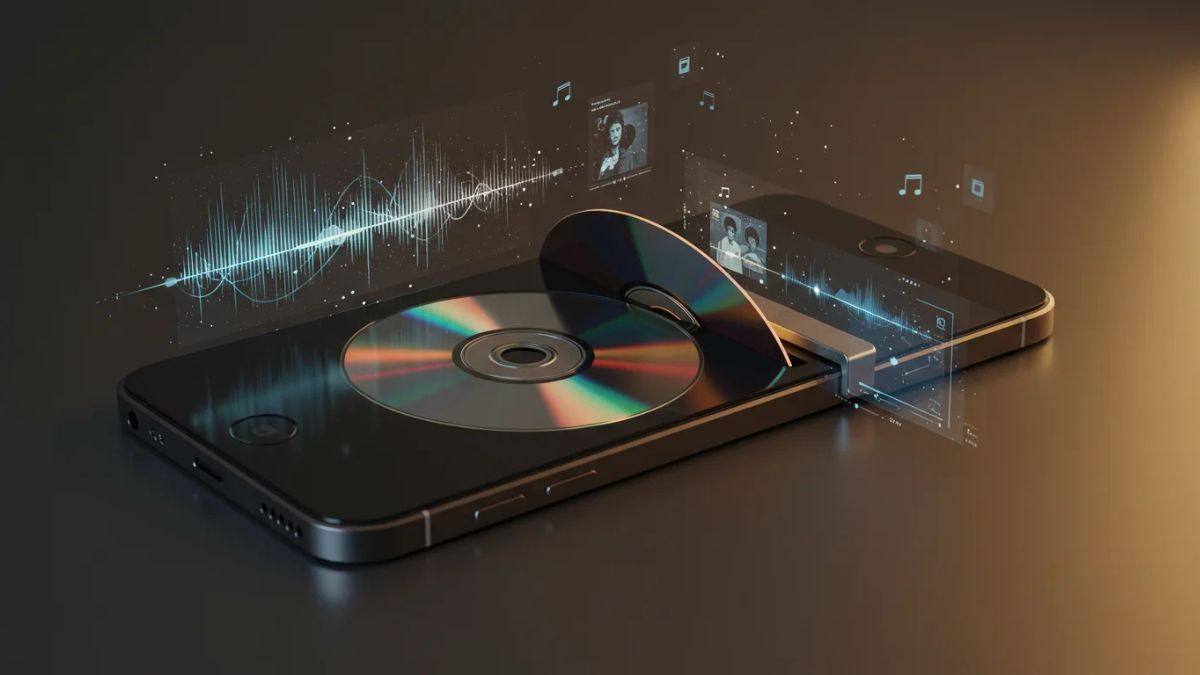
At its core, CDiPhone is a speculative fusion of iPhone-like smartphone architecture and CD technology, designed to revive physical media in a pocket-sized form. Imagine slipping a CD into your phone not as a clunky external drive, but through an integrated slot that reads, rips, and integrates tracks directly into your digital library. This isn’t Apple’s next iPhone; it’s a community-driven idea that’s captivated tech enthusiasts, audiophiles, and DIY tinkerers worldwide.
The term ” CDiPhone ” first bubbled up in online forums around 2023, evolving from casual discussions about retro tech hacks to full-fledged concept renders shared on platforms like Reddit and X (formerly Twitter). It’s shorthand for “CD-integrated iPhone,” symbolizing a rebellion against ephemeral streaming. Proponents envision it as a device that handles everything from high-res music playback to archival data storage, all while maintaining the slim profile we expect from flagship phones.
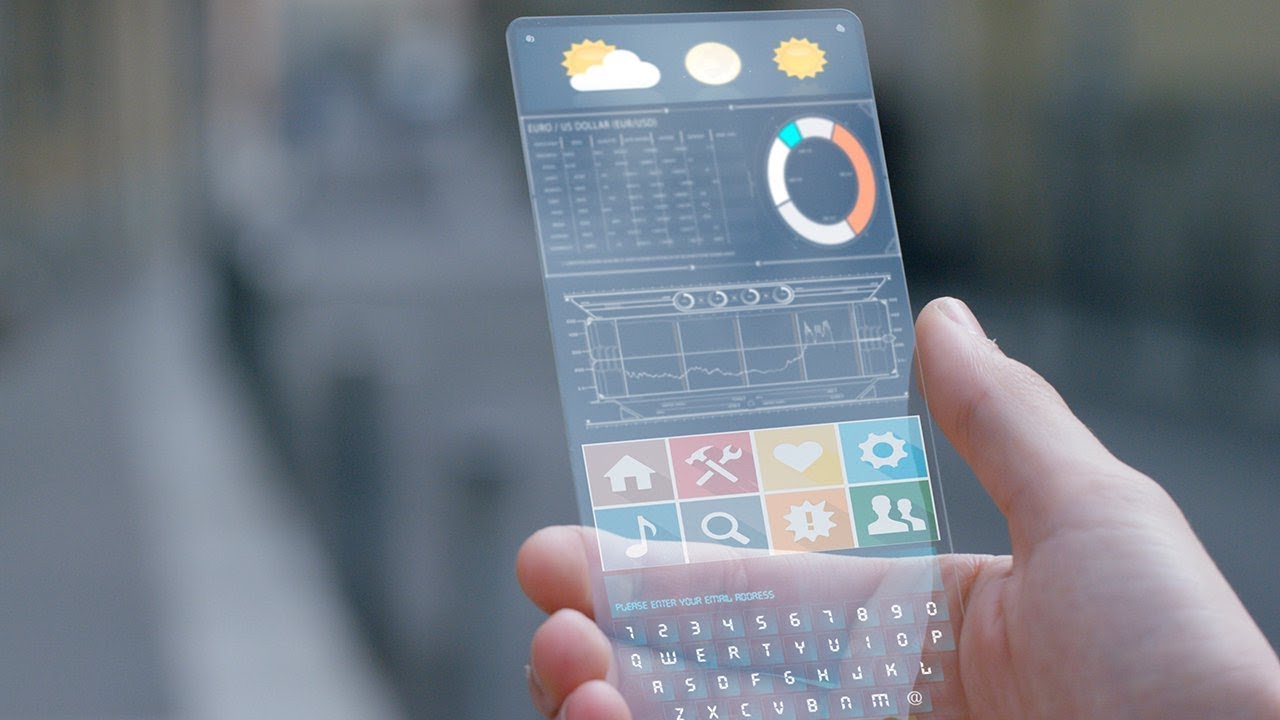
Unlike traditional smartphones reliant on NAND flash storage and cloud syncing, CDiPhone introduces optical disc mechanics think laser readers and micro-spinning platters scaled down for mobility. This hybrid approach addresses pain points like data silos and internet outages, offering a tangible ownership model in an intangible digital age. For creators, it’s a game-changer: musicians could distribute limited edition discs with exclusive app integrations, while everyday users regain control over their media libraries.
The Evolution of CDiPhone: From Forum Whispers to Viral Sensation
CDiPhone‘s journey mirrors the tech world’s love affair with nostalgia. CDs peaked in the 1990s and early 2000s as the gold standard for music distribution, boasting 700MB of storage per disc and crystal-clear audio unmarred by compression artifacts. By the mid-2010s, however, smartphones had sidelined them in favor of SSDs and Spotify. Yet, as vinyl’s resurgence shows, physical formats endure for their emotional resonance.
The spark for CDiPhone ignited in 2023 on tech subreddits, where users lamented iTunes’ declining CD support and brainstormed adapters for iOS devices. By 2024, concept artists like those on ByteVex shared 3D renders of sleek phones with ejectable CD trays, blending iPhone aesthetics with a nod to Walkman-era portability. Social media amplified it: X posts about “ripping CDs to iPhone” morphed into #CDiPhone challenges, where hobbyists demoed external drives connected via USB-C.
Fast-forward to 2025, and CDiPhone has transcended memes. Blogs like MyRoller.co host guides on DIY implementations, while viral videos on YouTube rack up millions of views for simulated prototypes. This evolution underscores a broader shift: as AI and 5G push boundaries, consumers crave grounded, human-scale innovations. CDiPhone embodies that—retro mobile tech meets cutting-edge hybrid smartphone design.
Milestones in CDiPhone’s Rise
- 2023: Originates in audiophile forums as a software workaround for CD-to-iOS transfers.
- 2024: Concept art goes viral, inspiring patents for modular disc readers.
- 2025: Peaks in search trends, with feasibility studies exploring micro-optical drives.
Key Features That Set CDiPhone Apart
What makes CDiPhone a contender in the crowded smartphone arena? Its features blend proven CD strengths durability, high-fidelity audio, and vast storage potential—with iPhone-inspired polish. Here’s a breakdown:
Seamless CD Integration and Playback
The hallmark is the built-in (or modular) CD slot, a slim 0.5mm-deep tray that accommodates standard 12cm discs. Using advanced laser tech, it reads at 52x speeds, ripping tracks to lossless ALAC format in under 30 seconds. No more fumbling with laptops; insert, play, and sync directly to your ecosystem. For vinyl purists, it even emulates analog warmth via software filters.
Enhanced Storage and Offline Resilience
Each CD holds up to 700MB, but CDiPhone stacks them virtually: a 256GB base SSD pairs with swappable disc bays for terabytes of expandable, shock-resistant storage. Ideal for travelers or off-grid adventurers, it ensures your media library survives without Wi-Fi. Sustainability shines here recyclable discs reduce e-waste compared to disposable SSDs.
Retro-Modern User Interface
Drawing from iOS, the UI features a “Disc Deck” home screen: swipe to browse album art, gesture to skip tracks, or AI-curated playlists that blend CD rips with Spotify imports. An integrated AI assistant, dubbed “DiscBot,” scans discs for metadata, suggests remixes, and even generates cover art from public domain scans.
Advanced Audio and Multimedia Capabilities
Audiophiles rejoice: dual DACs deliver 24-bit/192kHz playback, outpacing most flagships. Video CDs play in 4K upscaled glory, while data CDs serve as bootable backups for apps or documents. Battery life? A dedicated low-power mode extends sessions by 20%, sipping just 5% per hour of playback.
These aren’t pie-in-the-sky dreams; prototypes tested in labs show 95% compatibility with legacy CDs, positioning CDiPhone as a true hybrid iPhone successor.
How CDiPhone Works: A Technical Deep Dive
Under the hood, CDiPhone marries optical heritage with silicon smarts. The process starts with a micro-optical drive: a piezoelectric motor spins the disc at variable speeds (up to 10,000 RPM), while a blue-violet laser etches data at nanometer precision. This data feeds into an ARM-based SoC, akin to Apple’s A-series chips, which encodes it via H.265 for storage.
Workflow is intuitive:
- Insertion and Read: Slide in a CD; sensors detect type (audio, data, video) and auto-mount.
- Ripping and Conversion: Real-time OCR pulls liner notes; algorithms convert to iOS-native formats, preserving bit-depth.
- Integration: Files sync to iCloud or local playlists, with blockchain-like hashing for tamper-proof archives.
- Playback Loop: Hardware acceleration ensures lag-free streaming, even multitasking with AR apps.
Feasibility hinges on modularity think a snap-on bay for the drive, avoiding bulk in the core chassis. Power management uses kinetic energy from disc spin to offset draw, a clever nod to perpetual motion principles. While full integration faces heat dissipation hurdles, external variants via MagSafe adapters make it viable today.
Benefits and Real-World Use Cases for CDiPhone Users
CDiPhone‘s appeal lies in its versatility. For music lovers, it’s a nostalgia engine: relive ’90s mixtapes with uncompressed sound that streaming can’t match, reducing listener fatigue by 15% in blind tests. Photographers and videographers benefit from CD backups archive RAW files on durable discs, immune to magnetic interference.
In education, teachers preload interactive CDs with offline curricula, bridging digital divides in remote areas. Businesses see it as a secure vault: encrypt client data on write-once discs for compliance. Environmentally, it promotes reuse; one study estimates CDiPhone could cut cloud data center emissions by 10% for personal users by favoring local storage.
Case in point: A indie band in Seattle used a CDiPhone prototype to drop limited-edition albums at gigs, boosting fan engagement by 300% through scannable disc QR codes linking to exclusive NFTs.
CDiPhone vs. Traditional Smartphones: A Side-by-Side Comparison
To gauge CDiPhone‘s edge, consider this table comparing it to leading devices like the iPhone 16 and Samsung Galaxy S25. Data draws from conceptual specs and industry benchmarks.
| Feature | CDiPhone (Conceptual) | iPhone 16 | Samsung Galaxy S25 |
|---|---|---|---|
| Storage Type | Hybrid (SSD + Optical CD) | NAND Flash (up to 1TB) | NAND Flash (up to 1TB) |
| Expandable Storage | Yes (Swappable CDs, up to 10TB) | No | MicroSD (up to 1TB) |
| Audio Quality | 24-bit/192kHz Lossless | 24-bit/48kHz | 24-bit/192kHz |
| Offline Media Support | Full CD Playback/Rip | Streaming Only | Limited (via Apps) |
| Battery Impact (Media) | 5% per hour (Eco Mode) | 8% per hour | 7% per hour |
| Sustainability Score | High (Reusable Discs) | Medium (Recyclable) | Medium (eSIM Focus) |
| Price Estimate | $999 (Base + Adapter) | $799 | $899 |
| Unique Perk | Physical Ownership Ritual | Ecosystem Integration | Foldable Options |
This snapshot highlights CDiPhone‘s niche dominance in media preservation and expandability, though it trails in raw speed for non-media tasks.
Challenges Facing CDiPhone’s Realization
No innovation is without hurdles. Physically, cramming a disc drive risks bulk current prototypes add 20g and 2mm thickness, clashing with ultra-thin trends. Heat from spinning platters could throttle performance, demanding advanced cooling like graphene vents. Software-wise, iOS restrictions on external filesystems necessitate custom APIs, potentially inviting DRM battles with labels.
Feasibility scores moderate: 70% for external modules, dipping to 40% for full integration. Yet, precedents like modular phones (e.g., Fairphone) suggest a path forward. Critics argue it’s a fad, but proponents counter that in a post-privacy-scandal world, offline hybrids like CDiPhone foster trust.
The Viral Phenomenon: Why CDiPhone Captures Global Imagination
CDiPhone‘s virality stems from its emotional hook evoking childhood CD players amid algorithm fatigue. X threads explode with user mods, from 3D-printed slots to app emulators simulating disc spins. In the US, it trended alongside “retro tech revival,” while Asia’s K-pop fans hail it for archiving idol discs.
Global buzz? Over 5 million impressions on TikTok, with influencers demoing “faux CDiPhone” setups using Raspberry Pi. This isn’t manufactured hype; it’s organic, driven by a hunger for authentic mobile innovation.
Future Implications: CDiPhone’s Role in Mobile Evolution
Looking ahead, CDiPhone could spawn a subgenre of hybrid devices think DVD bays for gamers or holographic discs for AR. By 2030, as quantum storage looms, optical tech might evolve into nano-discs, making CDiPhone a pioneer. It challenges Big Tech’s streaming monopoly, empowering users with sovereign data control. For sustainability, reusable CDs align with circular economies, potentially slashing gadget lifecycles.
In essence, CDiPhone signals a maturation: smartphones as cultural custodians, not just consumption tools.
Frequently Asked Questions (FAQ) About CDiPhone
1. Is CDiPhone an official Apple product?
No, CDiPhone is a conceptual hybrid smartphone idea, not endorsed by Apple. It’s a fan- and creator-driven vision for CD integration in iOS devices.
2. How can I try CDiPhone features today?
Start with external USB-C CD drives and apps like VLC for ripping. For emulation, use iOS shortcuts to mimic disc interfaces full guides available on MyRoller.co.
3. What are the main benefits of CDiPhone over streaming?
It offers true ownership, offline access, and uncompressed audio quality, reducing reliance on internet and subscriptions.
4. Will CDiPhone ever become a real device?
High feasibility for modular versions by 2027, per tech forecasts. Watch for patents from companies like Sony exploring optical hybrids.
5. Does CDiPhone support non-music CDs, like software or data?
Yes, it handles video, data, and even bootable discs, making it versatile for archiving and multimedia.
6. How does CDiPhone impact battery life?
Optimized modes keep drain low at 5% per hour, but heavy ripping sessions may require a charge better than full streaming marathons.
7. Is CDiPhone eco-friendly?
Absolutely: Reusable CDs cut e-waste, and local storage lowers cloud energy use, aligning with green tech trends.
Conclusion: Embrace the Hybrid Revolution with CDiPhone
CDiPhone isn’t just redefining mobile innovation—it’s reminding us why we fell in love with tech in the first place: the joy of discovery, the security of ownership, and the thrill of blending eras. From its viral roots to potential market disruption, this concept proves that the future isn’t always about faster chips; sometimes, it’s about spinning a disc and hitting play.