




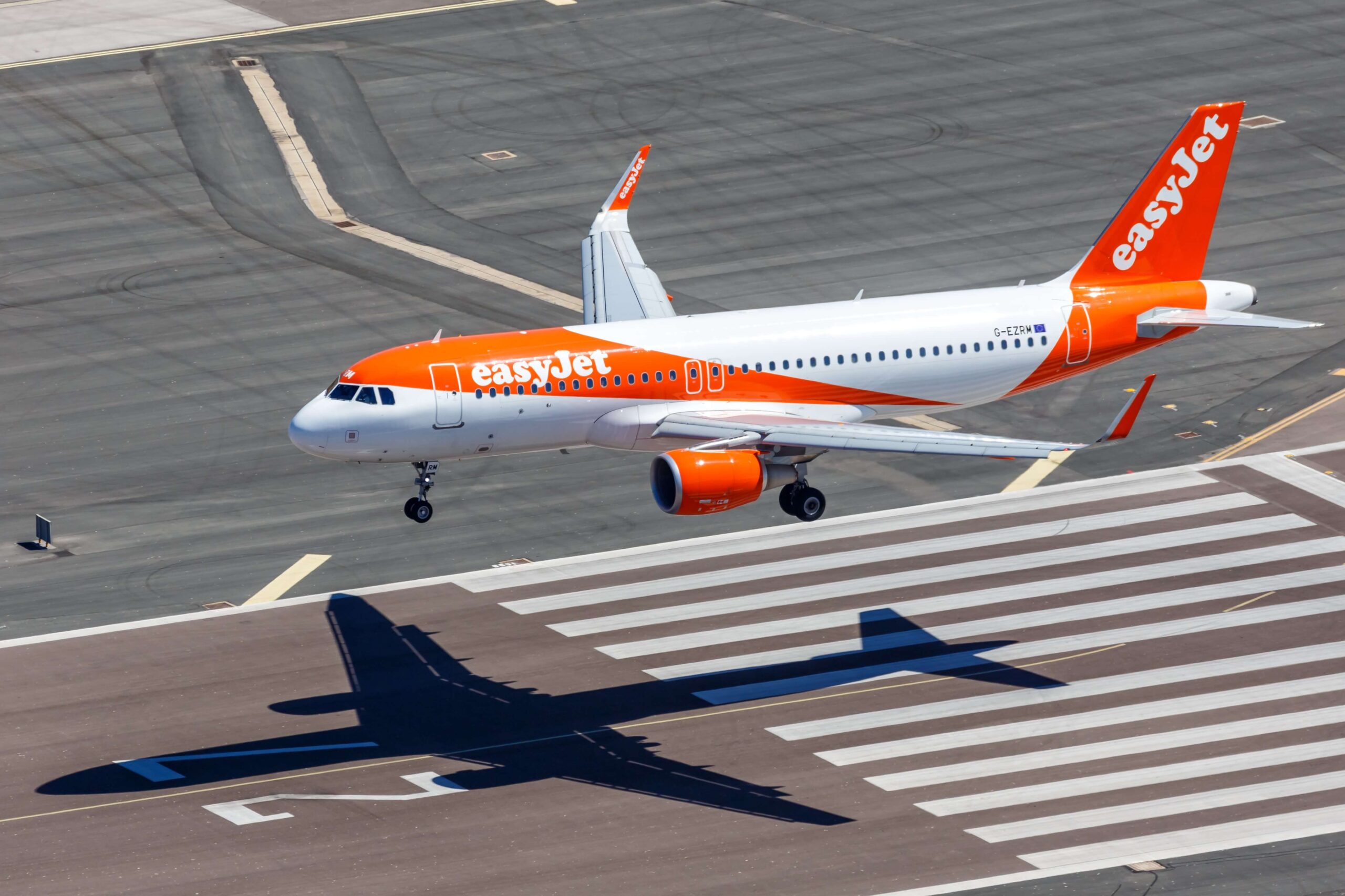
On October 22, 2025, an EasyJet emergency landing Munich incident captured widespread attention when flight U22902, operating from Paphos, Cyprus to Bristol, UK, declared an emergency mid-flight and diverted to Munich Airport (MUC). The Airbus A320neo activated squawk 7700v the international transponder code signaling an urgent situation prompting an immediate descent and priority landing. Passengers reported a tense atmosphere as the aircraft maneuvered for a safe touchdown around 20:18 UTC.
While no injuries occurred and the plane landed safely, the event triggered understandable concern among travelers and sparked online discussions about aviation safety protocols. In an era where EasyJet flights serve millions annually across Europe, such diversions highlight both the robustness of modern aircraft systems and the importance of clear communication during in-flight issues.
This article examines the details of the EasyJet emergency landing Munich event, explores common causes of diversions on low-cost carriers, reviews EasyJet’s safety record, and addresses related passenger concerns. Understanding these incidents helps demystify what happens when a flight diverts and reassures travelers that emergency procedures prioritize safety above all.
What Happened During the EasyJet Flight U22902 Diversion
Flight U22902 departed Paphos International Airport (PFO) on schedule. While cruising over German airspace en route to Bristol, the flight crew received a “Cargo door open” indicator warning. This triggered the declaration of an emergency, squawking 7700 to alert air traffic control.
The pilots initiated a rapid but controlled descent and requested vectors directly to Munich Airport, the nearest suitable diversion field with full emergency services. After a brief go-around during the initial approach (a standard safety precaution), the aircraft landed without incident. Emergency vehicles met the plane on the runway as a routine measure.
Passengers described a sudden but calm descent, with cabin crew providing clear instructions. No fire, smoke, or structural failure was reported only the cautionary indicator. EasyJet later confirmed all passengers and crew disembarked safely, with arrangements made for onward travel.
The EasyJet diversion underscores how modern cockpits prioritize conservative decision-making: better to land safely at an alternate airport than continue with a potential unresolved issue.
Common Reasons for Emergency Landings and Diversions on EasyJet
EasyJet, like all airlines, follows strict protocols for any anomaly. Diversions occur for medical emergencies, technical warnings, unruly passengers, or weather-related issues.
Notable past Munich diversions involving EasyJet include:
- September 2024: An unruly passenger attempt to open a door mid-flight on a London Gatwick to Kos route led to a swift diversion.
- June 2025: A reported smoke smell prompted a precautionary landing from a UK-Greece service.
- April 2023: Disruptive passengers forced an offload on a Liverpool to Dalaman flight.
In the October 2025 U22902 case, the cargo door warning aligned with a non-catastrophic but safety-critical alert. Cargo doors on A320-family aircraft feature multiple sensors; a false or intermittent indication still warrants immediate action per Airbus and EASA guidelines.
EasyJet’s Safety Record and Emergency Procedures
EasyJet maintains one of Europe’s strongest safety records among low-cost carriers. The airline has never suffered a fatal hull-loss accident in its 30+ year history. Diversions, while dramatic, occur regularly across the industry and rarely result in harm.
EasyJet’s procedures include:
- Crew training on simulator scenarios for door warnings, smoke, and medical issues.
- Real-time coordination with ATC and ground emergency teams.
- Passenger briefings emphasizing calm compliance.
Regarding squawk 7700 today alerts, these are common but always treated seriously by controllers, who clear airspace and prioritize the flight.
For context, no major EasyJet emergency landing Munich incident has occurred in March 2026 as of today (March 23, 2026). Recent diversions have involved other factors like high winds or technical alerts elsewhere in Europe.
How Passengers Can Prepare for and Respond to In-Flight Emergencies
Panic often stems from uncertainty. During any diversion:
- Follow crew instructions immediately.
- Remain seated with seatbelts fastened.
- Note that rapid descents feel intense but are controlled.
- Emergency vehicles on arrival are precautionary.
EasyJet provides real-time updates via app notifications and onboard announcements. For families or anxious flyers, pre-booking EasyJet holidays packages sometimes includes travel insurance covering delays from diversions.
EasyJet’s Longest Flight and Operational Insights
EasyJet’s longest route (as of 2026) is typically London Gatwick to Hurghada, Egypt (~4,000 km, ~5 hours). The carrier focuses on short- to medium-haul European leisure and business routes, which reduces exposure to extreme long-haul risks but increases frequency of weather-related diversions in winter.
Addressing Common Concerns
What airline has the most emergency landings?
No single airline consistently leads, as it depends on fleet size and route network. Larger carriers like Ryanair, Southwest, and Delta report more absolute diversions simply due to higher flight volume. Per-flight rates remain low industry-wide.
What was the worst EasyJet crash?
EasyJet has no fatal crashes in its history. The airline’s worst incidents involve non-fatal runway excursions or ground collisions, none resulting in passenger fatalities.
What happened to the EasyJet pilot?
In the U22902 case and similar diversions, pilots follow standard protocol: declare emergency, descend safely, and coordinate with ATC. No disciplinary action arises from conservative safety decisions.
What is EasyJet’s longest flight?
Currently around 5 hours (e.g., Gatwick to Hurghada or Tenerife). EasyJet does not operate ultra-long-haul routes.
FAQ: Your Questions About the EasyJet Emergency Landing Munich Incident
What caused the EasyJet emergency landing Munich today live updates?
No new Munich diversion occurred on March 23, 2026. The most recent notable case was flight U22902 in October 2025 due to a cargo door warning. Check Flightradar24 or EasyJet’s status page for live updates.
Was anyone injured in the EasyJet flight U22902 emergency landing?
No injuries were reported. The aircraft landed safely after the diversion, and passengers continued their journey with alternative arrangements.
What does squawk 7700 mean on EasyJet flights?
It is the universal emergency transponder code, alerting ATC to an urgent situation requiring priority handling. It does not always indicate life-threatening danger often technical or medical issues.
How does EasyJet handle diversions like Munich?
Pilots declare emergency if needed, ATC clears a path, and the nearest suitable airport (with full services) is selected. Ground teams meet the plane, and EasyJet arranges hotels, meals, or onward flights.
Are EasyJet emergency landings common?
Diversions occur industry-wide (hundreds annually across Europe). EasyJet’s rate aligns with peers; most resolve safely with no harm.
What should passengers do during an EasyJet diversion?
Stay calm, follow crew commands, keep seatbelts on, and avoid using phones until cleared. EasyJet provides updates and support post-landing.
How can I track EasyJet flights for potential diversions?
Use Flightradar24, FlightAware, or the EasyJet app for real-time tracking and alerts.
Final Thoughts: Safety Remains EasyJet’s Priority
The EasyJet emergency landing Munich on flight U22902 reminded travelers that aviation prioritizes safety through rapid, conservative decisions. While the incident caused temporary panic and schedule disruption, the outcome safe landing and no injuries reflects effective training and systems.
Incidents like these are rare relative to millions of sectors flown annually. For peace of mind, monitor flight status apps and consider travel insurance.
Planning your next trip? Check EasyJet’s latest routes or flight status directly on their site. Safe travels share your experiences with diversions below.