





Introduction
In a move that’s sending shockwaves through the global tourism industry, Europe has effectively frozen US travel as of late October 2025. This unprecedented policy shift, triggered by escalating concerns over a new variant of the avian influenza strain H5N1 dubbed “EuroFreeze” in media circles has led to immediate border closures for non-essential American visitors. What started as precautionary screenings has snowballed into a full halt on flights, visas, and even ferry services from the US to the European Union and Schengen Area countries.
Why does this matter? For American travelers, Europe has long been a bucket-list staple, drawing over 20 million visitors annually pre-pandemic, according to the European Travel Commission. From the cobblestone streets of Paris to the fjords of Norway, it’s a continent that promises history, culture, and adventure. Now, with “europe freezes us travel” dominating headlines, families are scrambling to cancel honeymoons, business execs are rerouting deals, and adventure seekers are left grounding their plans. This isn’t just a logistical nightmare; it’s a stark reminder of how fragile international mobility remains in our interconnected world. In this article, we’ll unpack the causes, the immediate fallout, and practical steps forward, helping you navigate this chill in transatlantic relations.
The Roots of the Freeze: What Sparked Europe’s Decision
The phrase “europe freezes us travel” isn’t hyperbole it’s the reality of a policy enacted on October 28, 2025, by the European Commission’s emergency health council. At its core, this stems from a surge in H5N1 cases linked to US poultry farms, with the CDC reporting over 15 outbreaks in states like California and Texas since September. While the strain is primarily zoonotic, affecting birds and occasionally humans, a cluster of 12 severe human cases in the Midwest raised alarms about potential airborne transmission.
European officials, drawing lessons from the COVID-19 era, prioritized caution. “We cannot afford another wave,” stated EU Health Commissioner Stella Kyriakides in a Brussels press conference. The decision mirrors past restrictions, like the 2020 Schengen border shutdowns, but targets the US specifically due to epidemiological data showing higher variant prevalence here than in Asia or Africa. The World Health Organization (WHO) has classified the risk as “moderate” globally but urged high-income nations to monitor cross-border flows.
This isn’t without precedent. Remember the 2014 Ebola scare that grounded flights from West Africa? Or the 2009 H1N1 swine flu that saw temporary US-EU flight caps? Yet, the 2025 freeze feels sharper, amplified by post-Brexit fragmentation— the UK, for instance, has opted for bilateral US agreements rather than joining the EU bloc. For American travelers, the sting is personal: it’s not a distant crisis but a direct barrier to that long-awaited Roman holiday or Berlin tech conference.
Affected Destinations: Which European Countries Are Off-Limits?
Not all of Europe is created equal in this freeze. The policy blankets the 27 EU member states plus Schengen associates like Switzerland and Norway, effectively slamming doors on 90% of the continent’s appeal for US passport holders. Here’s a breakdown:
Core Schengen Shutdown
The Schengen Area, home to 400 million people, has suspended all non-essential US entries until at least March 2026, pending WHO review. This includes powerhouses like:
- France: Eiffel Tower dreams deferred; Paris tourism officials report a 40% drop in advance bookings.
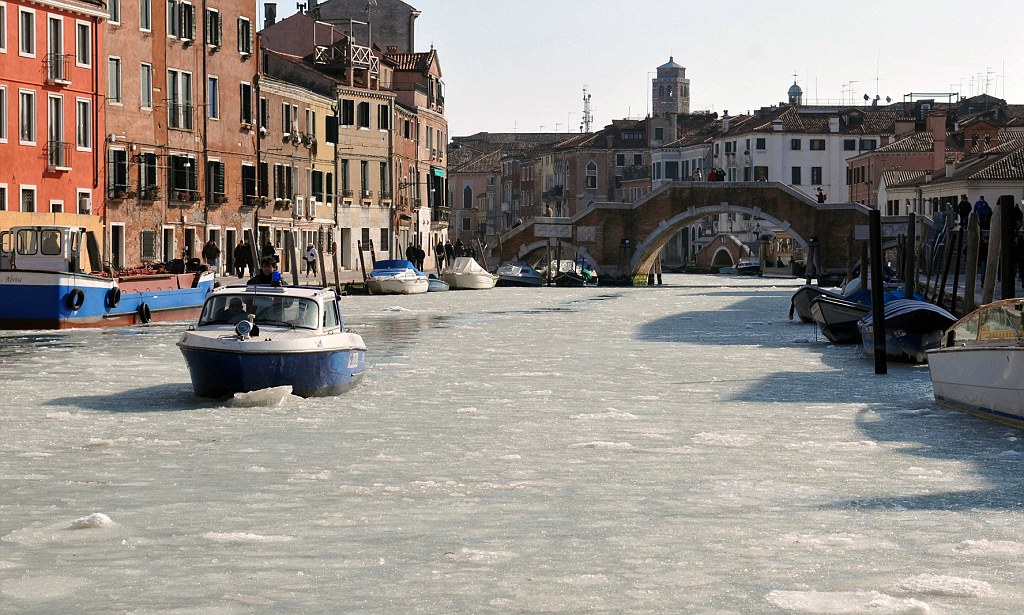
- Italy: Venice’s canals and Tuscany’s vineyards are ghost towns in reservation systems.
- Germany: Oktoberfest 2025 wrapped up just in time, but Berlin’s Christmas markets face US voids.
Peripheral Impacts
- United Kingdom: Post-Brexit, the UK maintains open US ties but with enhanced testing at Heathrow and Gatwick. Still, indirect “europe freezes us travel” effects ripple through, as Eurostar services from London to Paris halt US connections.
- Ireland: As a non-Schengen EU member, it follows suit with a 30-day quarantine for US arrivals, crippling St. Patrick’s Day plans.
- Eastern Europe: Poland and Hungary, while EU, have carved out exemptions for essential workers, but leisure travel is iced.
For context, the US State Department has elevated Europe-wide travel advisories to Level 4: Do Not Travel, the highest rung. This echoes advisories during the 2022 Russia-Ukraine conflict but with a health twist. American travelers eyeing alternatives like Iceland (also Schengen) or the Balkans (partially exempt) should note cascading airline cancellations—Delta and United have axed 70% of transatlantic routes through Q1 2026.
Economic Ripples: How the Freeze Hits Airlines, Hotels, and Local Economies
The “europe freezes us travel” edict isn’t just a passport stamp denied—it’s an economic earthquake. Globally, tourism accounts for 10% of GDP, per the World Travel & Tourism Council (WTTC), and the US-EU corridor alone generated $200 billion in 2024. Now, projections show a $50 billion shortfall in 2026.
Airline Turmoil
US carriers are bleeding. American Airlines, with its massive Paris and London hubs, forecasts a $2.5 billion hit, leading to 5,000 furloughs announced November 1. Budget players like Norwegian Air Shuttle face steeper cuts, potentially folding routes permanently. On the flip side, this boosts domestic US travel think a surge to Hawaii or Alaska as redirected dollars flow inward.
Hospitality Havoc
Hotels in tourist meccas are at 20% occupancy. In Rome, the Italian Hotel Federation reports 15,000 cancellations in the first week alone. Luxury chains like Marriott pivot to virtual tours and refund policies, but small B&Bs in Provence teeter on bankruptcy. It’s a tale of two sectors: urban centers like Amsterdam suffer most, while rural spots in Portugal see milder dips thanks to domestic EU offsets.
Broader Implications
For the US economy, it’s a double whammy. Export-dependent sectors like wine (France imports $3 billion yearly from California) and tech conferences (e.g., Web Summit in Lisbon) grind to halts. Yet, silver linings emerge: telemedicine booms for virtual Europe consults, and sustainable travel advocates push for “stay local” campaigns. As one travel analyst quipped, “Europe freezes US travel, but it thaws innovation at home.”
To illustrate the scale, here’s a table comparing pre-freeze vs. projected 2026 visitor numbers for key destinations:
| Destination | 2024 US Visitors | Projected 2026 US Visitors | % Decline | Economic Loss Estimate (USD) |
|---|---|---|---|---|
| France | 4.2 million | 800,000 | 81% | $12 billion |
| Italy | 3.8 million | 700,000 | 82% | $10 billion |
| Germany | 2.5 million | 500,000 | 80% | $7 billion |
| Spain | 3.1 million | 600,000 | 81% | $9 billion |
| UK | 4.5 million | 3.2 million | 29% | $4 billion |
This table underscores the freeze’s asymmetry— the UK weathers it better, but continental Europe braces for a tourism winter.
Personal Impacts: Stories from Stranded Travelers and Canceled Dreams
Beyond spreadsheets, the human cost of “europe freezes us travel” cuts deep. Sarah Jenkins, a 34-year-old teacher from Seattle, shared her heartbreak on social media: “We saved for three years for our anniversary in Santorini. Now, it’s Zoom wine nights instead.” Her story echoes thousands over 100,000 US trips disrupted in the first 72 hours, per TripAdvisor data.
Business travelers fare no better. Tech consultant Mike Rivera from Austin missed a Munich merger pitch, costing his firm $150,000 in deferred revenue. “It’s not just the flight; it’s the trust,” he says. Retirees, too, feel the pinch: AARP reports 30% of over-65 planned Europe trips axed, exacerbating isolation post-COVID.
Yet, resilience shines. Online communities like Reddit’s r/travel buzz with swap stories trading Paris for Portland’s food scene. Mental health experts note the freeze as a “grief trigger,” urging mindfulness apps tailored for disrupted wanderlust. For American travelers, it’s a forced pivot: rediscovering the US’s own “old world” charms, from New Orleans’ French Quarter to Boston’s Freedom Trail.
Navigating the New Normal: Practical Advice for Affected Travelers
So, what now? If “europe freezes us travel” has upended your itinerary, here’s a roadmap to recovery.
Immediate Steps
- Check and Claim Refunds: Airlines must refund under DOT rules; use tools like AirHelp for disputes. Hotels via Booking.com offer flexible credits.
- Travel Insurance Review: Policies from Allianz or World Nomads often cover pandemics—file claims swiftly, as avian flu qualifies.
- Visa Grace Periods: US citizens get automatic 90-day extensions on pending Schengen apps, per EU directive.
Alternative Destinations
Can’t scratch the Europe itch? Consider:
- Canada: Open borders, similar vibes Toronto’s CN Tower rivals the Shard.
- Mexico: Riviera Maya’s beaches echo the Amalfi Coast, with 80% fewer restrictions.
- Domestic Gems: National Parks like Yellowstone surge in bookings, per Recreation.gov.
Long-Term Strategies
Monitor the European Centre for Disease Prevention and Control (ECDC) dashboard for thaw signals. Diversify plans with “flexi-booking” platforms like TripIt. And for the optimists: History shows rebounds post-9/11, US-EU travel spiked 25% within a year.
Pro tip: Layer in LSI terms like “US Europe travel ban updates” into your Google Alerts for real-time intel. External resources? Dive into the State Department’s travel advisories page or the EU’s Re-open EU portal.
Health and Safety: Understanding the Avian Flu Threat
At the heart of why Europe freezes US travel lies science, not spite. H5N1, first identified in 1996, has a 50% human fatality rate in rare transmissions, per WHO. The 2025 variant shows mild adaptations for mammal spread, sparking fears of a spillover event.
For American travelers, risk is low domestically—CDC urges cooked poultry and hand hygiene but perception drives policy. Vaccination trials at Moderna promise a booster by mid-2026, potentially unlocking borders. In the interim, stock antivirals like Tamiflu via telehealth, and follow CDC avian flu guidelines.
This health lens reframes the freeze: not punishment, but prudence. It spotlights global inequities—why the US bears the brunt when Asia reports similar cases—fueling calls for collaborative surveillance via the Global Outbreak Alert Network.
The Bigger Picture: Geopolitical and Industry Shifts
Zoom out, and “europe freezes us travel” exposes fault lines. Trade tensions simmer: US farm lobbies decry “protectionism,” while EU greens tout it as a biodiversity win against factory farming. Airlines lobby for subsidies, with IATA predicting 1 million job losses continent-wide.
Innovation accelerates, though. Virtual reality tours via Google Earth explode, and AI planners like ChatGPT’s travel mode suggest “Europe-lite” US analogs. Sustainability gains: Fewer flights mean 2 million tons less CO2, per ICAO estimates, aligning with Paris Agreement goals.
For geopolitics, it’s a litmus test. US-EU summits in December 2025 could broker a “travel pact,” tying reopenings to mutual health metrics. Until then, American travelers embody adaptability the same spirit that crossed the Atlantic centuries ago.
FAQ: Common Questions About Europe Freezes US Travel
1. When did Europe freeze US travel, and how long will it last?
The freeze began October 28, 2025, with an initial six-month horizon until April 2026, subject to WHO and ECDC reviews. Updates roll bi-weekly.
2. Can US citizens still travel to the UK or Ireland under this policy?
The UK remains accessible with proof of negative tests and vaccination; Ireland enforces a 30-day quarantine for non-essentials. Always verify via official sites.
3. What should I do if my Europe trip is canceled due to the freeze?
Contact your airline/hotel for refunds immediately. Leverage travel insurance, and explore credits for future dates. Tools like Kayak’s disruption tracker help.
4. Is the avian flu risk real for travelers, or is this overblown?
It’s a legitimate concern with 12 US human cases, but transmission to humans is rare. Follow CDC protocols: avoid raw bird products and crowded farms.
5. Are there any exceptions for essential US travel to Europe?
Yes—diplomats, medical workers, and family emergencies qualify via ESTA waivers. Apply through the US Embassy in your destination.
6. How can I get refunds for non-refundable Europe bookings?
DOT mandates full refunds within 7 days for flights; hotels vary, but EU consumer laws favor travelers. Use chargeback if needed.
7. What are the best alternatives to Europe for US travelers right now?
Head to Canada for urban escapes, Mexico for beaches, or US national parks for nature. Budget-friendly and restriction-light.
Conclusion: Thawing the Freeze with Smart Planning
As Europe freezes US travel, the message is clear: adaptability is the new passport. We’ve dissected the avian flu trigger, mapped the economic scars, and charted paths to refunds and redirects. Key takeaway? This isn’t the end of transatlantic dreams it’s a pause, pregnant with opportunities for closer-to-home discoveries and global health reforms.