






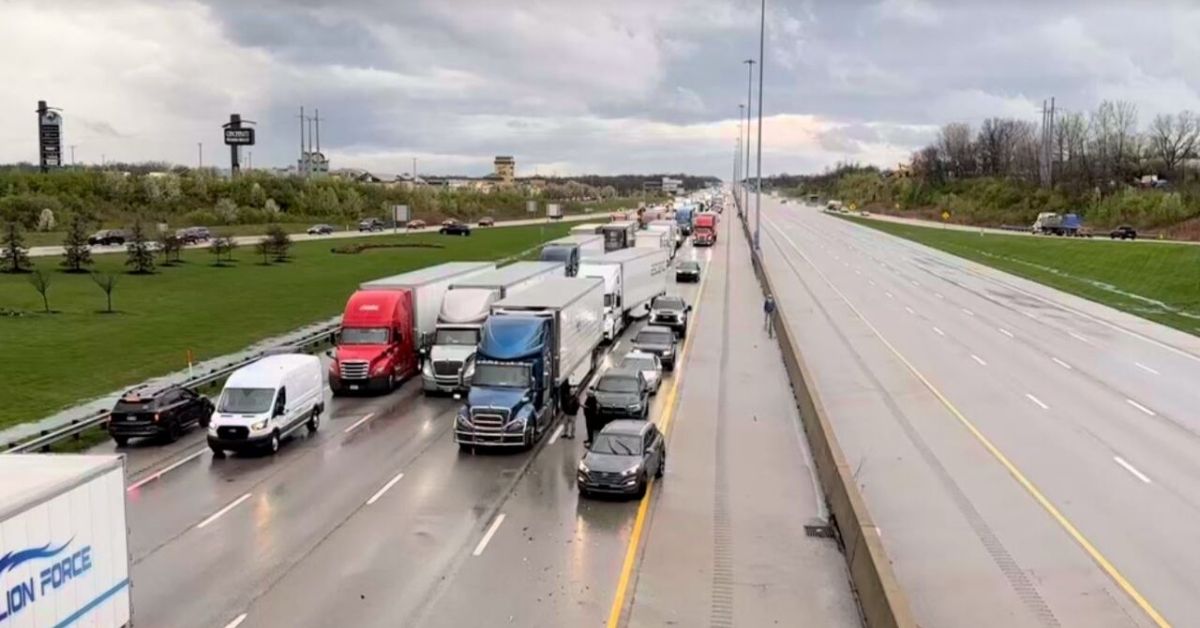
Interstate 75 stretches over 1,800 miles from the Canadian border in Michigan down to the Florida Keys, carrying millions of commuters, truckers, and vacationers every day. When a sudden i-75 power line shutdown hits usually triggered by severe weather entire stretches of the highway slam shut without warning. Drivers sit idled for hours, sometimes overnight, with no clear end in sight. These emergencies don’t just cause frustration; they create genuine safety risks, economic losses, and ripple effects on nearby communities.
Recent incidents in Ohio highlight how quickly conditions can turn dangerous. In June 2025, high-voltage lines crashed across I-75 near Vandalia after strong winds, forcing all lanes closed in both directions. Similar chaos struck Monroe in April 2024 when six utility poles toppled. While no active i-75 power line shutdown is reported as of March 2026, the pattern shows these events remain a real threat during storm season. Understanding what triggers them, how long they last, and what drivers can do offers critical preparation for anyone traveling this vital corridor.
What Exactly Happens During an I-75 Power Line Shutdown?
An i-75 power line shutdown occurs when downed electrical lines, fallen utility poles, or damaged infrastructure block or threaten the interstate. Authorities immediately close lanes or the entire highway to prevent electrocution, fires, or vehicle collisions with live wires. Unlike planned construction, these are true emergencies: traffic stops cold while crews from utilities like AES Ohio or Duke Energy coordinate with state highway patrol and local police.
The shutdown isn’t just about the lines themselves. High-voltage transmission cables often run parallel or cross over I-75 in vulnerable spots, especially in Ohio’s Miami Valley region. Once lines fall, every passing vehicle becomes a potential hazard until power is safely disconnected and debris cleared.
Recent Emergency Cases That Left Drivers Stranded
Two well-documented events illustrate the human impact.
In June 2025 near Vandalia, Ohio (at the Northwoods Boulevard and U.S. 40 interchange), powerful storm winds knocked a high-voltage line directly across all lanes of I-75. Police shut down both directions within minutes. Traffic backed up for miles past the I-70 interchange, trapping thousands of drivers including long-haul truckers for several hours. Nearby neighborhoods also lost power as crews worked late into the night. The highway reopened only after lines were removed and the area inspected.
Just over a year earlier, in April 2024, Monroe, Ohio (Butler County) saw six utility poles collapse during another round of severe weather. Lines draped across the roadway created an immediate danger zone. Drivers reported sitting motionless for hours with no updates, some running low on fuel while emergency crews worked.
These weren’t isolated flukes. I-75’s route through tornado-prone and thunderstorm-heavy Midwest stretches makes it especially susceptible. While Florida and Michigan sections see fewer line-down incidents, Ohio has emerged as a hotspot due to aging infrastructure combined with increasingly intense spring and summer storms.
Root Causes: Why Power Lines Fail on I-75
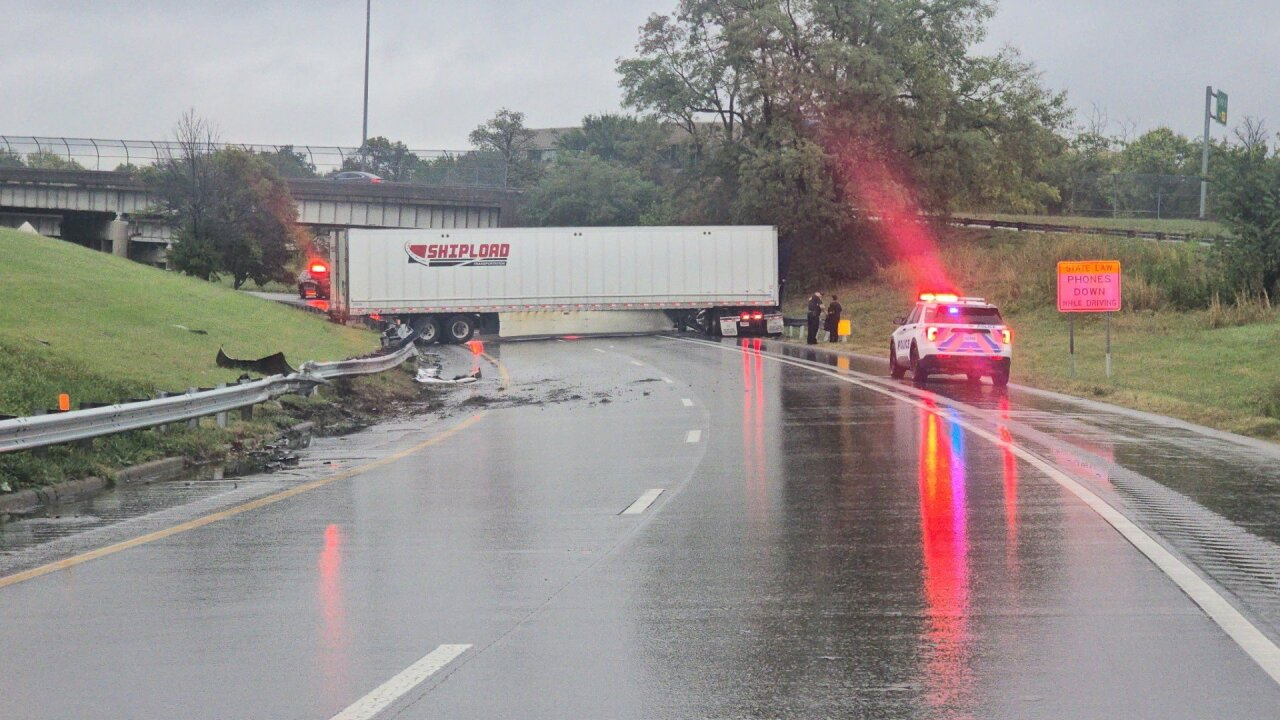
Severe weather tops the list high winds, lightning, and heavy rain snap poles or topple trees that drag lines down. In both the Vandalia and Monroe cases, strong gusts were the primary culprit.
Other factors compound the risk:
- Aging utility infrastructure: Many poles and lines along I-75 date back decades and weren’t designed for today’s storm intensity.
- Overgrown vegetation: Trees near rights-of-way fall during high winds, pulling lines with them.
- Vehicle accidents: Though rarer, a semi-truck clipping a pole can trigger the same closure.
- Planned maintenance: Occasional utility work causes short rolling shutdowns, but these are announced in advance.
Climate trends worsen the outlook. More frequent and stronger storms mean utilities and transportation departments must upgrade faster than ever.
The Real-World Impact on Drivers and Local Economies
When an i-75 power line shutdown strikes, the effects cascade quickly. Traffic grinds to a halt for miles, turning a normal drive into an hours-long ordeal. Truckers miss delivery windows, commuters arrive late to work, and families on vacation lose precious daylight.
In the Vandalia 2025 incident, backups extended several miles, forcing detours onto already congested local roads. Fuel consumption spiked as idling vehicles sat in place. Emergency services reported increased calls for stranded motorists needing water or medical attention. Local businesses near exits saw sudden surges in demand for food and restrooms, while others lost revenue from blocked access.
Broader costs include lost productivity, higher insurance claims from secondary accidents on detours, and power outages affecting homes and businesses alongside the highway. One analysis of similar interstate closures estimates millions in daily economic drag when a major artery like I-75 stops moving.
How Emergency Crews Handle Restoration
The process follows strict safety protocols and typically takes several hours:
- Highway patrol stops all traffic and sets up barriers.
- Utility crews are contacted immediately.
- Power is disconnected to make lines safe.
- Debris and fallen wires are removed.
- The area is inspected for hidden damage.
- Lanes reopen once cleared.
In both Ohio examples, crews worked through the evening. Restoration speed depends on damage extent and weather clear skies help, but ongoing storms slow everything down.
Safety Tips Every Driver Should Know
If you’re caught in an i-75 power line shutdown, stay calm and follow these proven steps:
- Never exit your vehicle unless it’s on fire rubber tires provide insulation from ground current.
- Keep at least 30 feet away from any downed lines; assume they’re live.
- Call 911 or the local non-emergency line to report the hazard.
- Use phone apps for updates rather than stepping outside.
- Conserve fuel and battery; turn off air conditioning if needed.
- Stay hydrated and check on vulnerable passengers.
Treating every fallen line as energized has prevented countless injuries in past incidents.
Smart Tools and Alternative Routes to Minimize Delays
Real-time traffic apps become lifesavers during closures:
- Ohio: OHGO traffic map
- Tennessee: TDOT SmartWay
- Michigan: MDOT Drive
- Florida: FL511
These platforms show live closures, detour suggestions, and estimated reopen times. Sign up for alerts from state DOTs before long trips. When detours are required, follow official signs local roads aren’t built for sudden interstate-level traffic and can create new bottlenecks.
Prevention: Building a More Resilient I-75
Utilities along the corridor are investing in smarter infrastructure: reinforced poles, better tree-trimming programs, advanced monitoring sensors, and underground lines where feasible. Ohio utilities have accelerated pole replacements after the 2024–2025 events. Drivers can support these efforts by advocating for infrastructure funding and reporting overgrown vegetation near highways.
Comparison Table: Major I-75 Power Line Shutdown Incidents
| Year | Location | Cause | Duration | Impact Highlights | Estimated Drivers Affected |
|---|---|---|---|---|---|
| June 2025 | Vandalia, Ohio | Storm winds downed high-voltage line | Several hours (reopened same night) | All lanes closed both directions; miles-long backups; neighborhood power outages | Thousands |
| April 2024 | Monroe, Ohio | Six utility poles collapsed in storm | Several hours | Complete standstill; detours through local roads | Several thousand |
| 2025 | Georgia (planned) | Utility maintenance | Rolling closures | Partial lane restrictions | Moderate daily impact |
FAQ
What triggers an emergency i-75 power line shutdown?
Mainly severe storms knocking down lines or poles, though vehicle accidents or maintenance can also cause closures.
How long do drivers typically stay stranded?
Most incidents resolve in several hours, but severe damage or ongoing weather can extend closures into the night or next day.
Are there active i-75 power line shutdowns right now?
As of March 2026, no major active shutdowns are reported, but Ohio remains a high-risk zone during storm season.
What should I do if I see downed lines on I-75?
Stay in your vehicle, keep distance, and call emergency services immediately never approach the wires.
Can I avoid these shutdowns altogether?
Not completely, but checking OHGO, FL511, or similar apps before travel and avoiding peak storm windows helps.
Do power line shutdowns affect nearby homes too?
Yes—many incidents cause localized outages as crews isolate the damaged sections.
How are utilities improving to prevent future i-75 power line shutdowns?
Through pole replacements, smarter monitoring, and aggressive vegetation management along the corridor.
Conclusion: Stay Informed and Prepared on I-75
The i-75 power line shutdown remains one of the most disruptive emergencies on this critical interstate. While the 2025 Vandalia and 2024 Monroe incidents resolved without major injuries, they left thousands stranded and highlighted vulnerabilities that still exist in 2026.
The good news? Knowledge and technology give drivers more power than ever. Monitor official apps, keep an emergency kit in your vehicle, and give crews time to work safely. Support ongoing infrastructure upgrades through local advocacy stronger poles and smarter systems benefit everyone who travels I-75.
Next time you head out on this route, take two minutes to check conditions. A little preparation can turn a potential nightmare into a minor inconvenience. Safe travels, and stay alert out there.