






Introduction
In today’s fast-evolving music industry, mastering music tech a level can open doors to exciting careers in production, sound engineering, and digital composition. Whether you’re passionate about creating beats in a DAW or analyzing the properties of sound, the music technology a level edexcel course demands a blend of creativity, technical skill, and theoretical knowledge. But why is effective revision so crucial? With exams like the music technology exam testing both practical and analytical abilities, poor preparation can lead to missed opportunities in a field where precision matters. This article dives deep into proven strategies to help you excel, drawing from syllabus insights and expert advice. By focusing on structured study habits, you’ll not only boost your grades but also build skills transferable to music a level pursuits or even a music tech major.
Understanding the Music Technology A Level Edexcel Syllabus
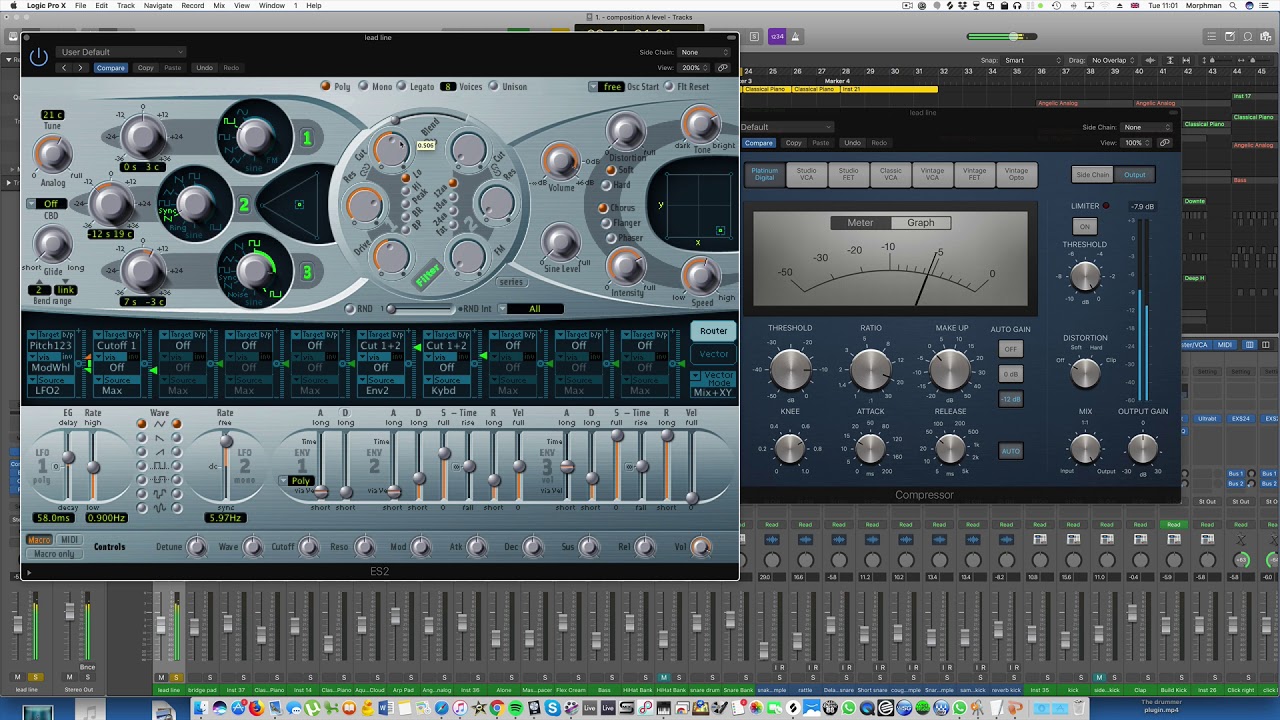
The music tech a level edexcel specification is designed to equip students with real-world skills in recording, composing, and analyzing music using technology. It’s structured around four components that balance coursework and exams, ensuring a comprehensive grasp of the subject. Unlike traditional music a level courses, this one emphasizes digital tools like Logic Pro or other DAWs, making it ideal for those interested in modern production techniques.
Key Components of the Course
Component 1 focuses on recording, where you’ll capture and mix audio tracks to produce a professional-sounding piece. Component 2 involves composition, encouraging creative use of synthesis, sampling, and effects. Component 3 is about listening and analyzing, honing your ear for historical and contemporary music tech developments. Finally, edexcel music tech component 4 tests producing and analyzing skills through a practical exam involving audio editing and theoretical questions.
To visualize the breakdown, here’s a table outlining the components:
| Component | Description | Assessment Type | Weighting |
|---|---|---|---|
| 1: Recording | Produce a multi-track recording based on a given brief, including capturing, editing, and mixing. | Non-examined assessment (coursework) | 20% |
| 2: Technology-based Composition | Create an original composition using music technology tools like synthesis and sampling. | Non-examined assessment (coursework) | 20% |
| 3: Listening and Analysing | Exam on analyzing recordings, production techniques, and historical contexts. | Written exam (1 hour 45 minutes) | 25% |
| 4: Producing and Analysing | Practical exam involving editing audio/MIDI, mixing, and answering questions on sound principles. | Written/practical exam (2 hours 15 minutes) | 35% |
Mastering Core Topics
Diving into the heart of the syllabus, certain topics form the foundation of your revision. Start by prioritizing areas like a level music technology properties of sound, as they underpin everything from recording to composition.
A Level Music Technology Properties of Sound
Understanding sound waves is essential for any music tech a level student. Sound properties include frequency (determining pitch), amplitude (affecting loudness), and timbre (the unique quality of a sound). For instance, frequency is measured in Hertz (Hz), with higher frequencies producing higher pitches. In edexcel music tech component 4, you’ll often manipulate these in a DAW to correct or enhance tracks. Revise by experimenting with waveforms combine sine waves to see how harmonics create complex timbres. Resources like online simulations can make this interactive, helping you visualize concepts that appear in the music technology exam.
Music Tech A Level Composition
Composition in music tech a level composition goes beyond melody; it’s about layering sounds creatively using technology. Tips include starting with a strong brief, developing ideas through modulation (e.g., shifting keys for tension), and using effects like reverb for depth. Avoid common pitfalls like over-relying on loops focus on original MIDI programming for higher marks. Practice by arranging existing tracks, then build your own, ensuring a clear structure with intro, verse, chorus, and outro. This hands-on approach mirrors real industry workflows and prepares you for Component 2 submissions.
Other core areas include recording techniques (e.g., microphone placement for dynamic vs. condenser mics) and historical production evolution, from analog tape to digital plugins. Integrate these by creating study notes linking theory to practice.
Essential Resources and Tools
No revision plan is complete without the right materials. From textbooks to online platforms, these can transform your study sessions.
A Level Music Technology Textbook Recommendations
A solid a level music technology textbook is indispensable. The “Edexcel AS and A Level Music Technology Study Guide” by Tim Hallas offers step-by-step guides for components, including tips for producing and composing. For revision, the “Edexcel A Level Music Technology Revision Guide” is concise and affordable, focusing on exam prep. Pair these with “AS and A Level Music Technology Guide: New Specification from 2017″ by Daniel Plewinski for practical exercises. These books align perfectly with music technology a level edexcel, providing examples and past paper breakdowns.
Leveraging Online Resources like Music Tech Guru
For dynamic learning, turn to music tech guru platforms. The Music Tech Guru website offers free tutorials on Logic Pro, MIDI sequencing, and exam guidance for edexcel music tech component 4. Their YouTube channel features videos like “How to Ace the 2022 Edexcel Music Tech Component 4 Exam,” breaking down questions with real examples. Sites like ALevelMusicTechnology.com provide free lessons on properties of sound and composition. Incorporate these by watching a tutorial, then applying it in your DAW active engagement boosts retention.
Effective Revision Strategies for Music Technology Exam
Revision for music tech a level should be active and varied. Create a timetable allocating time to theory (20%), practical (50%), and past papers (30%). For the music technology exam, practice under timed conditions Component 3 requires quick analysis of tracks. Use spaced repetition for terms like “transducer” in microphones, and flashcards for historical milestones.
Group study can help; discuss a level music technology properties of sound with peers to deepen understanding. Balance with breaks to avoid burnout, and track progress by mocking edexcel music tech component 4 tasks. Tools like Quizlet for flashcards on sound properties can make revision engaging.
Preparing for Specific Components
Focus on high-weight areas like edexcel music tech component 4, which combines practical editing with theory. Practice correcting audio files, applying EQ, and explaining choices. For composition, log your process in a notebook to refine techniques.
Common Challenges and How to Overcome Them
Many students struggle with the technical depth, like mastering DAWs. Overcome by starting early with free software trials. Time management in exams? Simulate sessions. If theory feels dry, link it to favorite tracks analyze how producers use reverb in pop music.
FAQ
Is Music Technology a Good A Level?
Yes, music technology a level edexcel is excellent for developing versatile skills in production and analysis, valued in creative industries. It’s practical and relevant, unlike more theoretical subjects.
How to Get a* in A Level Music Technology?
To achieve an A* in music tech a level, focus on consistent practice, detailed logbooks for coursework, and mastering past papers. Use resources like music tech guru tutorials for top tips.
Is Music the Hardest A Level?
While challenging due to its blend of performance, composition, and theory, music a level isn’t universally the hardest subjects like Further Maths often rank higher in difficulty surveys.
Is Music Tech a Good Major?
A music tech major is worthwhile for careers in audio engineering or production, offering hands-on skills in a growing field, though it may not guarantee high salaries without experience.
What Textbooks Are Best for Music Tech A Level?
Recommended a level music technology textbooks include the Edexcel Study Guide by Tim Hallas and revision guides for focused exam prep.
How Important Is Practical Experience in Music Tech A Level Composition?
Very hands-on work with DAWs elevates your music tech a level composition, helping meet criteria for creativity and technical proficiency.
What Resources Does Music Tech Guru Offer?
Music tech guru provides tutorials on recording, mixing, and exam strategies, ideal for edexcel students.
Conclusion
Revising for music tech a level requires discipline, but with the right approach understanding the syllabus, mastering topics like a level music technology properties of sound, and using resources like a level music technology textbooks you’ll thrive. Summarizing key points: structure your time, practice practically, and leverage tools for depth. Ready to ace your music technology exam? Start by downloading past papers from the Edexcel website and exploring Music Tech Guru for expert guidance. Your future in music awaits get revising today!