






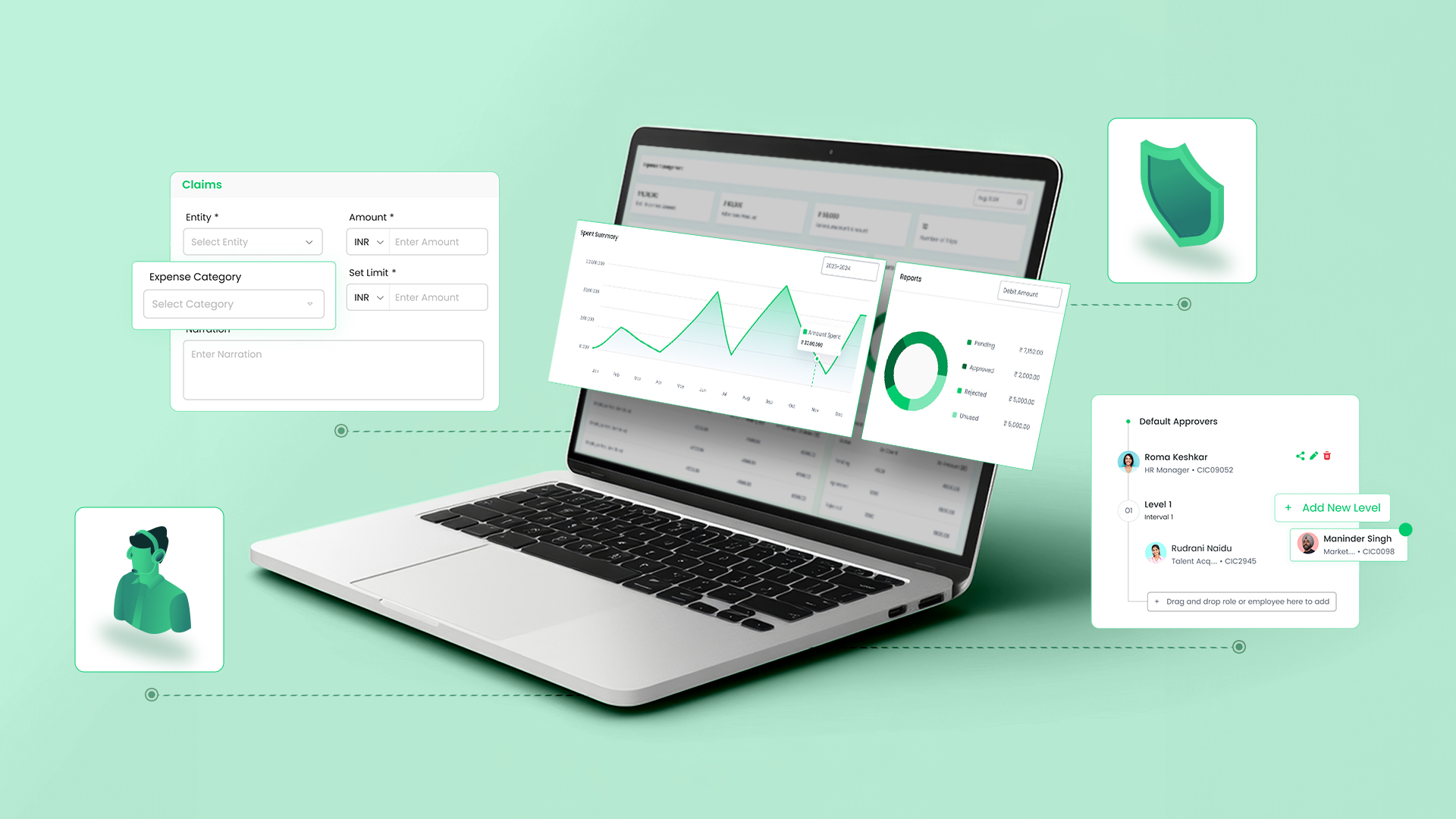
Introduction: Navigating the Rising Costs of Digital Transformation
Every year, companies overspend 20-30% on IT without even noticing. Cloud bills balloon, forgotten telecom lines linger, and mobile-device plans pile up. That’s where technology expense management (TEM) steps in. Think of it as your personal finance coach for tech. With the right technology expense management software and providers, you can spot waste, negotiate better deals, and keep your budget on track. This guide walks you through what is technology expense management, the best technology expense management solutions, and how leading technology expense management companies like Digital Direction deliver results. Ready to save? Let’s go.
Understanding Technology Expense Management From Basics to Advanced Strategies
Ever wondered what is technology expense management? At its core, it’s like a smart GPS for your company’s tech spending guiding you to cut waste and boost efficiency. Technology expense management, or TEM, covers tracking costs for cloud services, telecom lines, and mobile devices. Start with basics: audit invoices for errors and map your assets. Advance to strategies like AI alerts for overspend. Top technology expense management providers, such as those offering robust software, help automate this. Whether exploring technology expense management solutions or companies like Digital Direction for tailored digital-direction technology expense management, the goal is clear: reclaim 20-30% of your budget. Simple steps lead to big wins visibility first, optimization next.
Core Pillars Telecom, Cloud, and Mobility in Technology Expense Management
Three big buckets make up most tech spend: telecom expense management, cloud expense management, and mobility expense management.
- Telecom: Hunt down unused lines and billing errors. One grocery chain saved $1.2M after a single audit.
- Cloud: Track usage across AWS, Azure, and private instances to avoid “bill shock.”
- Mobility: Manage BYOD plans, international roaming, and device lifecycles. Hybrid work has added new complexity remote employees mean more SaaS seats and 5G data. Smart technology expense management software ties all three together with a single dashboard.
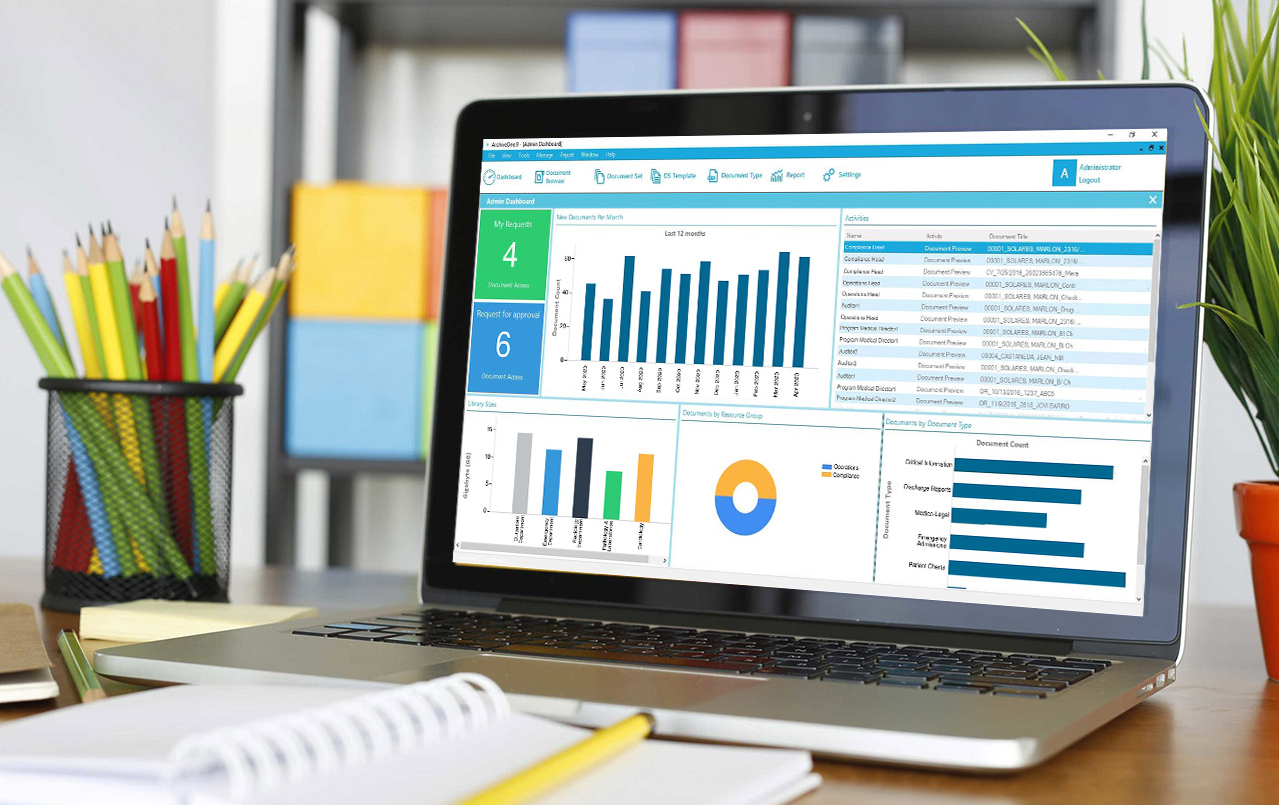
Evaluating Technology Expense Management Software and Solutions
Not all technology expense management solutions are equal. Look for:
- Automation – auto-ingest invoices in any format.
- AI insights – flag anomalies before they hit the ledger.
- Scalability – works for 50 employees or 50,000.
- ERP integration – sync with SAP, Oracle, or NetSuite. SMBs need simple plug-and-play; enterprises want custom APIs. Leading technology expense management companies offer both. Free trials reveal real fit test invoice upload speed and report clarity first.
Spotting Overspend Challenges and Real-World Fixes
Common leaks:
- Shadow IT – departments buying untracked SaaS.
- Contract drift – auto-renewals at higher rates.
- Inventory gaps – paying for assets you no longer own. Fixes are straightforward. Run a TEM audit, centralize procurement, and set approval workflows. A telecom audit alone can return 10-40% savings in year one. Technology expense management providers handle the heavy lifting so your team focuses on strategy.
Building a Winning Technology Expense Management Strategy
Six steps to success:
- Map every IT asset and contract.
- Baseline current spend by category.
- Clean invoices and cancel redundancies.
- Negotiate using market benchmarks.
- Automate with chosen technology expense management software.
- Review quarterly tech evolves fast. Include sustainability goals: right-size cloud instances to cut carbon alongside costs.
Case Studies: Success Stories from Leading Technology Expense Management Providers
- Retail chain: Switched to digital-direction technology expense management; saved $150K monthly after telecom audit.
- Global bank: Used AI-driven cloud expense management to reduce AWS spend by 28% in six months.
- Mid-size manufacturer: Consolidated 400 mobile plans, cut costs 22%, and gained real-time usage alerts. Proof that the right technology expense management companies deliver measurable ROI.

Emerging Innovations AI, 5G, and Beyond
Look ahead:
- GenAI predicts contract renewals and suggests optimal terms.
- 5G/IoT tracking prevents surprise data overages.
- Regulatory compliance modules auto-flag GDPR or CCPA risks in cloud configs.
- Sustainable TEM scores carbon per dollar spent. Early adopters of these technology expense management trends 2025 gain competitive edge today.
Conclusion: Your Roadmap to IT Cost Mastery
Start small: one audit, one dashboard, one win. Scale with proven technology expense management solutions. Whether you partner with technology expense management providers or build in-house, the math is simple every dollar saved drops straight to the bottom line. Take control, stay agile, and turn IT from cost center to value driver.
FAQs Technology Expense Management
Q1: What is technology expense management (TEM)?
A: TEM is the practice of tracking, optimizing, and reducing costs across telecom, cloud, mobility, and IT assets using software, audits, and expert guidance.
Q2: How much can companies save with technology expense management software?
A: Most organizations recover 10-40% of annual spend in the first 12 months, often starting with a single telecom or cloud audit.
Q3: Who needs technology expense management providers?
A: Any business spending $500K+ yearly on IT especially enterprises with multiple vendors, global operations, or hybrid workforces.
Q4: What’s the difference between TEM and FinOps?
A: FinOps focuses on cloud financial management; TEM covers cloud plus telecom, mobility, and hardware.
Q5: How do I choose the right technology expense management companies?
A: Prioritize automation level, ERP integration, transparent pricing, and proven case studies in your industry.
Q6: Can small businesses benefit from technology expense management solutions?
A: Yes,affordable SaaS tools now offer plug-and-play dashboards perfect for teams under 200 employees.
Q7: What are the latest technology expense management trends 2025?
A: AI contract negotiation, 5G/IoT expense tracking, sustainability scoring, and zero-touch invoice processing.