





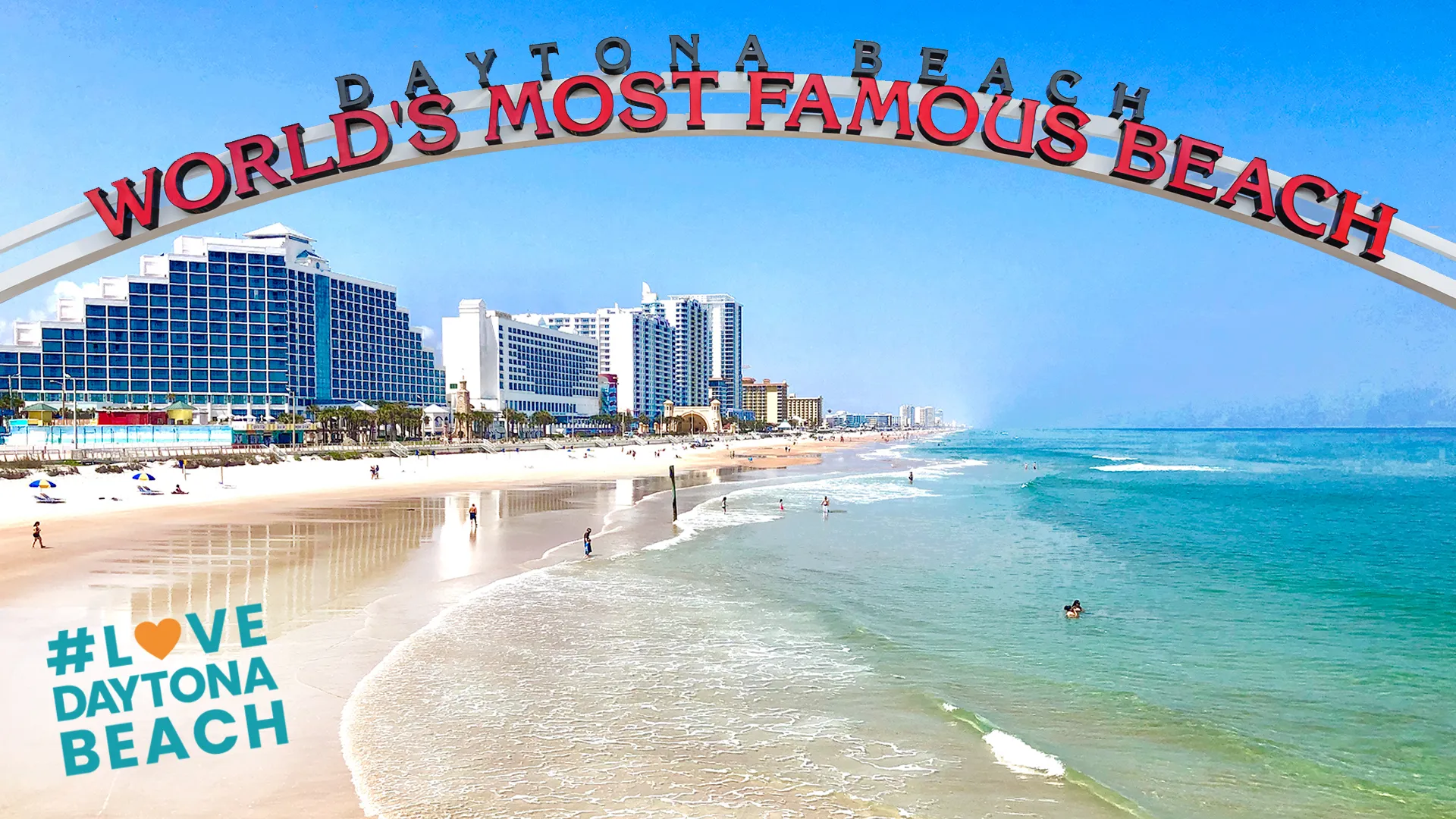
Daytona Beach, Florida, draws millions of visitors each year with its iconic stretch of drivable sand, the roar of NASCAR engines, and endless sunshine. Known as the “World’s Most Famous Beach,” it’s a magnet for spring breakers, families, and speed enthusiasts alike. But beneath the glamour lies a darker side that has earned Daytona Beach a reputation as one of Florida’s riskiest destinations for tourists. From sky-high crime rates to treacherous ocean currents and bizarre beach-driving mishaps, the dangers here can turn a dream vacation into a nightmare.
Why does this matter? In 2024 alone, Volusia County beaches saw over 200 rip current rescues in a single weekend, and the city logged eight homicides despite a downward trend. For tourists unfamiliar with local hazards, these risks aren’t just statistics they’re preventable threats to health, safety, and peace of mind. This article dives deep into the key dangers of Daytona Beach, backed by recent data and local insights, to help you navigate a safer trip. Whether you’re planning a beach day or a race-weekend getaway, understanding these pitfalls is essential for enjoying the area’s thrills without the chills.
Understanding Crime in Daytona Beach: A Tourist’s Wake-Up Call
Daytona Beach’s crime woes are no secret, and they hit tourists hardest in high-traffic zones like the boardwalk and Main Street. With a crime rate of 37.91 per 1,000 residents higher than the national average of 33.37 the city ranks among Florida’s most dangerous urban spots. Property crimes, including theft and burglary, dominate, accounting for the bulk of incidents, while violent crimes like assaults add to the unease.
Local reports paint a vivid picture: Open drug use along the pier, aggressive panhandling, and car break-ins in beach parking lots are commonplace. A 2025 Reddit thread from residents lamented the “neglect” of beachside areas, citing too many vacant shops and a visible homeless population that can feel intimidating after dark. Tourists, often distracted by the festivities, become easy marks. In 2024, vehicle thefts dropped by 32.7% citywide thanks to license plate readers, but opportunistic grabs from rental cars remain a staple complaint.
Key Crime Hotspots to Avoid
Steer clear of the boardwalk at night, where muggings spike. Instead, stick to well-lit, patrolled areas near the Hilton Daytona Beach Ocean Walk Resort. Data from NeighborhoodScout shows Daytona Beach’s overall crime risk at 1 in 29 far worse than the U.S. average of 1 in 43. For families, this means no solo strolls; travel in groups and use ride-shares over walking.
Homicides fell 50% in 2024 to just eight, a win for police efforts, but the perception lingers. As one TripAdvisor user noted, “Crime can happen anywhere,” but in Daytona Beach, it’s statistically more likely. To mitigate, download the Daytona Beach Police app for real-time alerts and report suspicious activity immediately.
The Perilous Waters: Rip Currents and Shark Sightings
Nothing screams “Florida beach danger” like the Atlantic’s unforgiving surf, and Daytona Beach exemplifies this with its notorious rip currents. These narrow channels of fast-moving water pull swimmers seaward, claiming lives annually. In September 2025, lifeguards rescued over 200 people in Volusia County amid high rip risks, with double-red flags prohibiting all water entry.

Volusia County, home to Daytona Beach, leads the nation in rip current fatalities 44 surf-related deaths recorded to date, per local safety reports. Murky waters from nearby rivers exacerbate the issue, hiding hazards and attracting sharks. The area has logged 18 confirmed shark attacks, though most are non-fatal. In August 2025, over 120 swimmers were pulled from the surf in two days alone.
Essential Beach Safety Tips for Daytona Beach Visitors
Experts from Volusia County Beach Safety emphasize calm over panic: If caught in a rip, float parallel to the shore until it weakens, then swim diagonally back to land. Always swim near lifeguard towers towers are staffed from 10 a.m. to 5 p.m. during peak season. Download the Volusia Beaches app for flag conditions; green means low hazard, yellow moderate, single red high, and double red means stay out.
For kids and non-swimmers, shallow wading is safest. Ignore the thrill-seekers body-surfing massive waves; as one local surfer shared, “The ocean doesn’t care if you’re on vacation.” These precautions could save your life, turning potential tragedy into a memorable dip.
Beach Driving Disasters: When Vehicles Meet Vacationers
What sets Daytona Beach apart and makes it uniquely hazardous is its 23 miles of drivable beachfront. Since 1903, visitors have cruised the sand for $30 a day, but this novelty has a deadly downside: runovers. In 2025, multiple incidents made headlines, including an 84-year-old woman whose pickup truck backed over a 71-year-old New York tourist’s head while she sunbathed.
This wasn’t isolated. A fourth sunbather was struck by a Jeep in April 2025, prompting calls for stricter driving rules. E-bike hit-and-runs add to the chaos, like the March 2025 case where a 70-year-old Alabama visitor suffered severe injuries. Off the sand, A1A highway sees heavy tourist traffic, with DUI crashes surging during spring break.
US-92, a main artery to the beach, is another hotspot for pileups, especially with out-of-towners ignoring speed limits. Hurricane season worsens it, flooding roads and forcing detours.
Navigating Traffic Safely in Daytona Beach
Park wisely: Use designated lots over beach driving if you’re not experienced. Obey the 10 mph sand limit and yield to pedestrians always. For broader travel, opt for shuttles during events like Bike Week, when roads jam with revelers. If injured, Florida’s no-fault laws cover tourists, but prevention beats paperwork.
Hurricane Threats and Weather Whiplash
Nestled on Florida’s east coast, Daytona Beach faces extreme wind risks from hurricanes, with a “Wind Factor” score signaling high vulnerability to storms over 74 mph. Hurricane season (June-November) brings storm surges, flash floods, and evacuations bridges close in high winds, stranding beachside residents and visitors.
In August 2025, Hurricane Erin whipped up rip currents and high surf advisories across Volusia County. Post-storm, waterways teem with contaminants like bacteria from sewage overflows, as seen after Hurricane Ian. Vibrio vulnificus, a flesh-eating bacteria in brackish waters, poses infection risks for open wounds don’t swim if cut.
Preparation for Storms in Daytona Beach
Check NOAA forecasts daily and have an evacuation plan, including pet-friendly shelters. Stock a go-bag with water, meds, and docs. Inland spots like DeLand offer safer bases during alerts.
Sneaky Scams Targeting Daytona Beach Visitors
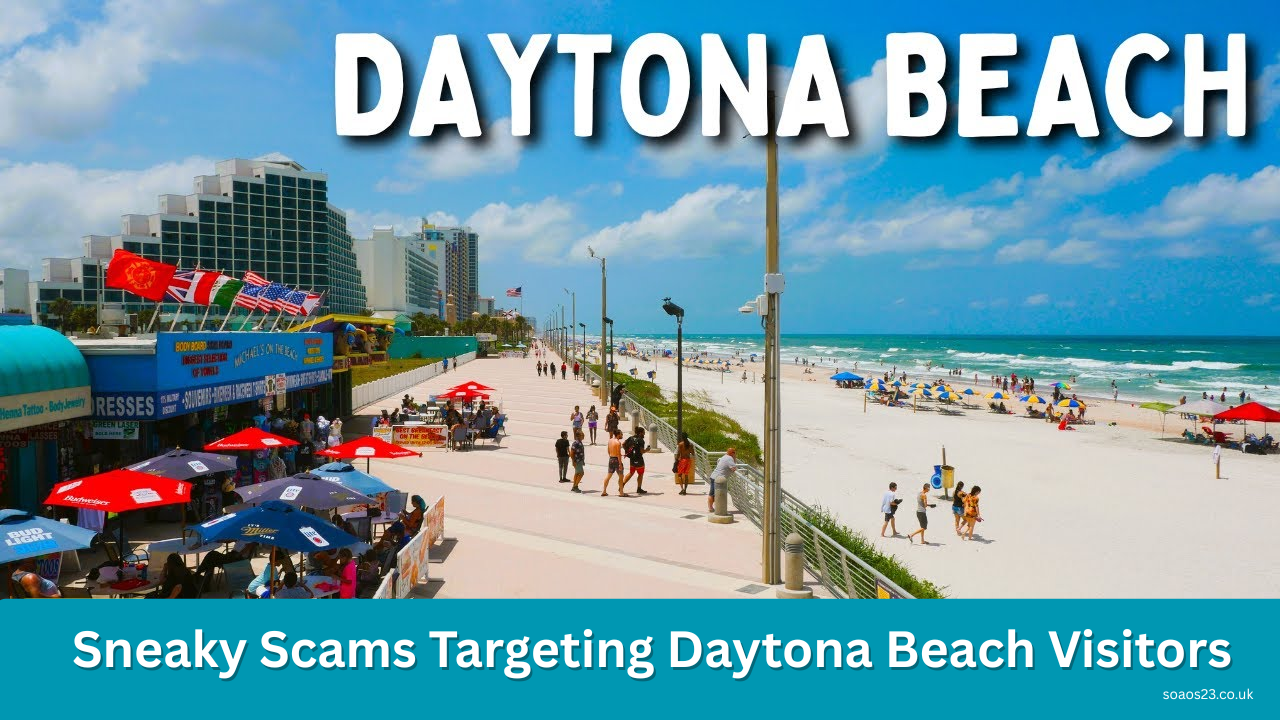
Beyond physical threats, scams prey on tourists’ excitement. Fake “free” trip offers flood emails, hiding fees or requiring upfront payments. Rental rip-offs and counterfeit Bike Week tickets are rampant, with one 2025 case scamming a school $400K on a bogus Europe trip echoing patterns in Florida travel fraud.
Panhandling rings use props like wheelchairs for sympathy, cycling spots like Beville and Nova. QR code skimmers on pumps and tampered ATMs lurk in parking areas.
Spotting and Sidestepping Scams
Verify deals through official sites like VisitDaytona.com. Use credit cards for rentals to dispute charges, and ignore unsolicited “wins.” Report to Volusia Sheriff’s Office better safe than sorry.
Health Hazards Lurking in the Surf
Beyond rips and sharks, water quality dips post-rain or storms, breeding bacteria. Volusia’s 11 summer dangers include jellyfish stings and contaminated runoff. Sunburns from UV index 10+ days compound risks for fair-skinned visitors.
| Aspect | Daytona Beach Rate (per 1,000) | Florida Average | National Average | Notes/Source |
|---|---|---|---|---|
| Violent Crime | 9.76 | 3.8 | 4.0 | Lower violent but high assaults; |
| Property Crime | 28.15 | 17.5 | 19.6 | Thefts dominate tourist areas; |
| Rip Current Rescues (Annual Est.) | 1,500+ | 500 (statewide) | N/A | Volusia leads FL; |
| Shark Attacks (Historical) | 18 | 2 (per county) | N/A | Murky waters factor; |
| Vehicle Runovers (2025 Incidents) | 4+ | Rare | N/A | Beach driving unique; |
FAQ: Common Questions About Daytona Beach Safety
Is Daytona Beach safe for families with kids?
Yes, if you stick to daytime beach activities near lifeguards and avoid nightlife spots. Focus on attractions like the Daytona International Speedway for structured fun.
How can I avoid rip currents in Daytona Beach?
Swim only at guarded beaches, heed flag warnings via the Volusia Beaches app, and remember: Float, don’t fight. Parallel swimming escapes most rips.
Are there areas in Daytona Beach to completely avoid?
The boardwalk after dark and unpatrolled parking lots top the list. Opt for resort areas like Ocean Center for safer vibes.
What should I do if caught in a scam while visiting Daytona Beach?
Contact local police non-emergency line (386-258-4088) immediately. Use official channels for bookings and report to FTC.gov for follow-up.
Is hurricane season a deal-breaker for Daytona Beach trips?
Not if you monitor forecasts. June-November peaks risks, but many visit safely with flexible plans and inland backups.
How common are vehicle accidents on Daytona Beach sands?
Too common four runovers in 2025 alone. Skip driving if novice; walk or shuttle instead.
What’s the biggest health risk in Daytona Beach waters?
Bacterial infections like Vibrio from cuts in brackish surf. Cover wounds and avoid post-storm swims.
Wrapping Up: Safe Adventures Await in Daytona Beach
Daytona Beach’s dangers from rampant crime and rip currents to quirky runovers and storm surges stem from its raw, unpolished appeal. Yet, with awareness, these risks fade: Research crime maps, respect ocean flags, drive cautiously, and vet deals. The beach’s magic sunsets over the pier, the thrill of Speedway laps shines brighter when you’re prepared.
Planning your Daytona Beach getaway? Start with VisitDaytona.com for safety resources and book through trusted sites. Share your tips in the comments have you dodged a hazard here? Travel smart, and let the world’s most famous beach live up to its hype.