




In the fast-paced world of service-based businesses, from consulting firms to digital agencies and legal practices, connecting with potential clients effectively can make or break your growth. Imagine having a tool that not only helps you qualify leads but also builds trust right from the start. That’s where the discovery call comes in. A discovery call is essentially your first meaningful conversation with a prospect, designed to uncover their needs, challenges, and goals while determining if your services are a good fit.
Why is this topic so crucial today? With competition fiercer than ever think about how many service providers are vying for the same clients a well-executed discovery call can boost conversion rates by up to 20-30%, according to sales data from platforms like HubSpot and Salesforce. It’s not just about selling; it’s about creating value early on, which leads to stronger client relationships and higher retention. In this complete guide, we’ll dive deep into what a discovery call entails, how to prepare and conduct one, key questions to ask, and much more. Whether you’re a freelancer, a small business owner, or part of a larger team, mastering discovery calls can transform your sales process.
What is a Discovery Call?
At its core, a discovery call is the initial conversation between a service provider and a potential client after they’ve expressed interest perhaps through your website, an email inquiry, or a social media lead. Unlike a cold call, which is unsolicited, a discovery call is scheduled and focused on exploration rather than closing a deal immediately.
For service-based businesses, this call serves as a fact-finding mission. You learn about the prospect’s pain points, budget, timeline, and decision-making process. In return, you share just enough about your services to spark interest without overwhelming them. The goal? To qualify the lead decide if they’re a viable client and set the stage for the next steps in your sales funnel.
Is a Discovery Call an Interview?
While it might feel similar, a discovery call isn’t strictly an interview. Interviews often imply a one-sided questioning, like a job interview where one party evaluates the other. In contrast, a discovery call is more collaborative and conversational. It’s a two-way street: You ask questions to understand their needs, but they also get to probe your expertise. This mutual exchange builds rapport and positions you as a partner, not just a vendor. For instance, in a service-based context like marketing consulting, you might discuss their current strategies while subtly highlighting how your approach could improve results.
What’s Another Way to Say “Discovery Call”?
If “discovery call” sounds too salesy for your brand, there are plenty of alternatives that convey the same idea. Common synonyms include “introductory consultation,” “exploratory session,” “strategy call,” or “needs assessment meeting.” These terms can make the invitation feel less formal and more inviting, especially for prospects who might be wary of sales pitches. For example, a life coach might opt for “breakthrough session” to emphasize transformation, while a lawyer could use “initial consultation” to align with professional norms.
Why Discovery Calls Matter for Service-Based Businesses
Service-based businesses thrive on personalized solutions, and discovery calls are the gateway to customization. Without them, you risk pitching generic services that don’t resonate, leading to wasted time and lost opportunities. Research from Zendesk shows that prospects who feel understood during initial interactions are 40% more likely to move forward.
In sectors like legal services, IT consulting, or coaching, where trust is paramount, these calls help demonstrate your value. They also weed out mismatches early saving you from pursuing leads that aren’t ready or aligned with your offerings. Ultimately, effective discovery calls lead to higher close rates, better client satisfaction, and even referrals, fueling sustainable business growth.
Preparing for a Successful Discovery Call
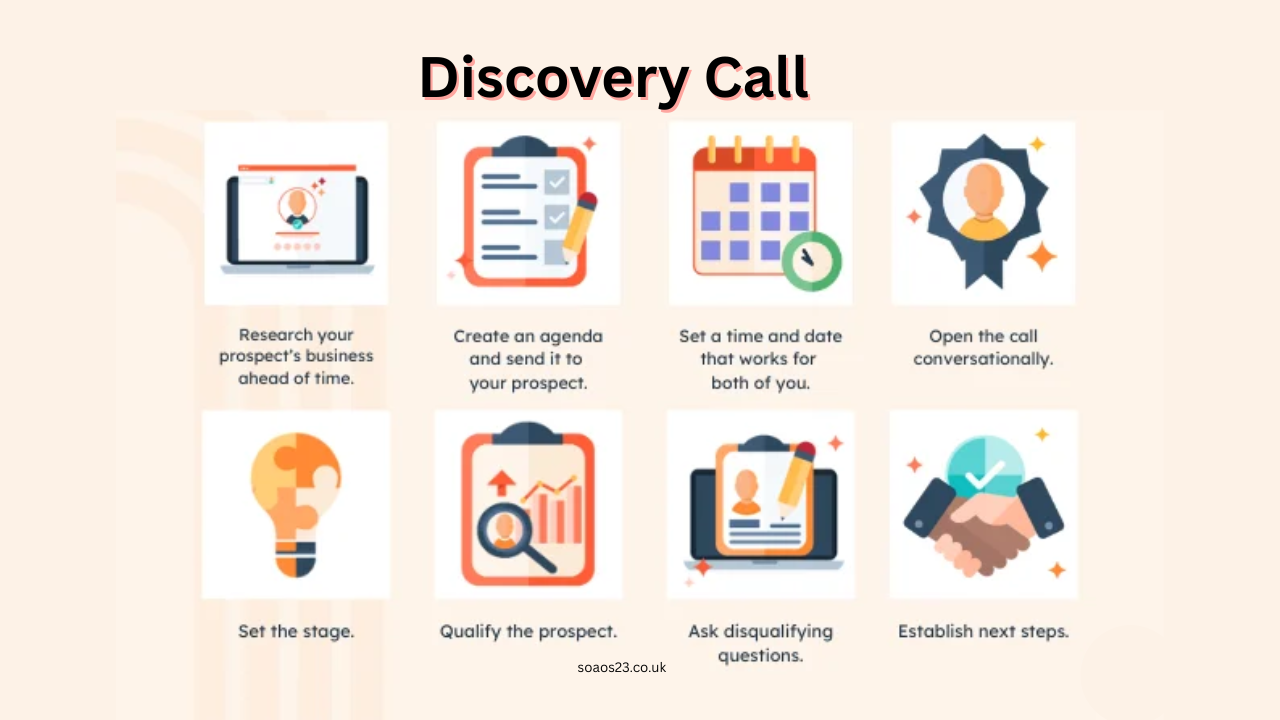
Preparation is key to turning a discovery call into a productive session. Start by researching the prospect: Review their website, LinkedIn profile, and recent news. This shows genuine interest and allows you to tailor your questions. Set a clear agenda aim for 15-30 minutes to respect their time and confirm via email beforehand.
Internally, outline your objectives: What do you need to learn? Prepare a loose script, but stay flexible. Tools like Calendly or Acuity Scheduling can streamline booking, ensuring a smooth start. Finally, set up your tech test your video call software and have notes ready for quick reference.
Essential Discovery Call Questions
The heart of any discovery call lies in the questions you ask. They should uncover the prospect’s situation, problems, implications, and needs (often abbreviated as SPIN selling). Avoid yes/no questions; opt for open-ended ones to encourage dialogue.
Here’s a breakdown of key categories with examples:
| Category | Sample Questions | Purpose |
|---|---|---|
| Background | Tell me about your company and your role. What do you do day-to-day? | Builds context and rapport. |
| Challenges | What challenges are you facing right now? How is this affecting your business? | Identifies pain points. |
| Goals | What’s your biggest priority this year? What does success look like for you? | Aligns your services with their objectives. |
| Decision-Making | Who’s involved in making decisions like this? What’s your timeline for implementation? | Gauges readiness and authority. |
| Budget & Fit | Have you worked with similar services before? What budget range are you considering? | Qualifies the lead financially. |
Sample Discovery Call Script
A good script provides structure without sounding robotic. Here’s a customizable example for a service-based business like web design:
- Introduction (2-3 minutes): “Hi [Name], thanks for taking the time today. I’m [Your Name] from [Your Company]. Just to set expectations, this call is about understanding your needs and seeing if we’re a good fit. Does that work for you?”
- Rapport Building (3-5 minutes): “I saw on your LinkedIn that you’ve recently launched a new product congratulations! How’s that going?”
- Discovery Questions (10-15 minutes): Dive into the questions above, probing deeper with follow-ups like, “Can you tell me more about that challenge?”
- Value Tease (3-5 minutes): “Based on what you’ve shared, we’ve helped similar clients reduce costs by 25% through [specific service]. Would that interest you?”
- Close (2-3 minutes): “Great conversation. Next, I’d suggest [demo/proposal]. Shall we schedule that?”
This script, inspired by real-world examples, keeps things concise and prospect-focused.
What Happens After a Discovery Call?
The work doesn’t end when the call does. Send a follow-up email within 24 hours recapping key points: “Thanks for sharing about your challenges with [issue]. Here’s how we can help…” Include next steps, like a proposal or another meeting.
Log notes in your CRM for team reference. If qualified, move to a demo or contract discussion. If not, nurture the lead with valuable content. Timely follow-up can increase conversion by 50%, per Outreach data.
Variations of Discovery Calls
Discovery calls adapt to different contexts, broadening their utility.
What is a Discovery Call Interview?
In sales, a “discovery call interview” emphasizes the questioning aspect, but it’s still collaborative. For job seekers or recruiters, it might mean an initial screening call to assess fit.
What is a Discovery Call for a Job?
In recruitment, a discovery call is the first chat between a recruiter and candidate, exploring skills, experience, and cultural fit. It’s less formal than a full interview but crucial for advancing in the hiring process.
What is a Discovery Call with a Lawyer?
For legal services, this is an initial consultation to discuss case details, options, and fees. Often free or low-cost, it helps both parties decide on proceeding. Expect questions about your situation and timelines.
Tools and Apps for Managing Discovery Calls
Efficiency matters, so leverage tools. For scheduling, try Calendly or YouCanBook.me. Recording and analysis? Use Gong or Chorus.ai for insights. A “discovery call app” like these can automate reminders and provide scorecards to evaluate call quality.
For icons or visuals, stock libraries offer “discovery call icon” graphics for your website, symbolizing conversation bubbles or lightbulbs.
Common Mistakes to Avoid in Discovery Calls
Even seasoned pros slip up. Don’t dominate the conversation let them speak. Avoid jumping to solutions too early; focus on understanding first. Skipping research can make you seem unprepared, and forgetting follow-up is a deal-killer. Always confirm next steps to maintain momentum.
Frequently Asked Questions (FAQ)
What is a discovery call?
A discovery call is the first scheduled conversation with a potential client to explore their needs, qualify them as a lead, and determine mutual fit for your services.
Is a discovery call an interview?
Not exactly it’s more of a collaborative discussion than a one-sided interview, focusing on mutual understanding rather than evaluation.
What’s another way to say “discovery call”?
Alternatives include “strategy session,” “introductory consultation,” or “exploratory conversation” to make it sound more approachable.
What happens after a discovery call?
Follow up with an email summarizing discussions, outlining next steps like a proposal, and scheduling further meetings if appropriate.
What is a discovery call interview?
It refers to a structured discovery call with interview-like elements, often used in sales or recruitment to deeply probe qualifications.
What are some good discovery call questions?
Key ones include “What challenges are you facing?” and “What’s your top goal this year?” to uncover needs and priorities.
Is there a discovery call app I can use?
Yes, apps like Calendly for scheduling or Gong for analysis help manage and improve your calls.
Conclusion
Mastering the discovery call is a game-changer for service-based businesses, turning casual inquiries into loyal clients. From understanding the basics to crafting scripts and following up effectively, this guide equips you with the tools for success. Remember, it’s about building relationships, not just selling focus on value, listen intently, and qualify wisely.