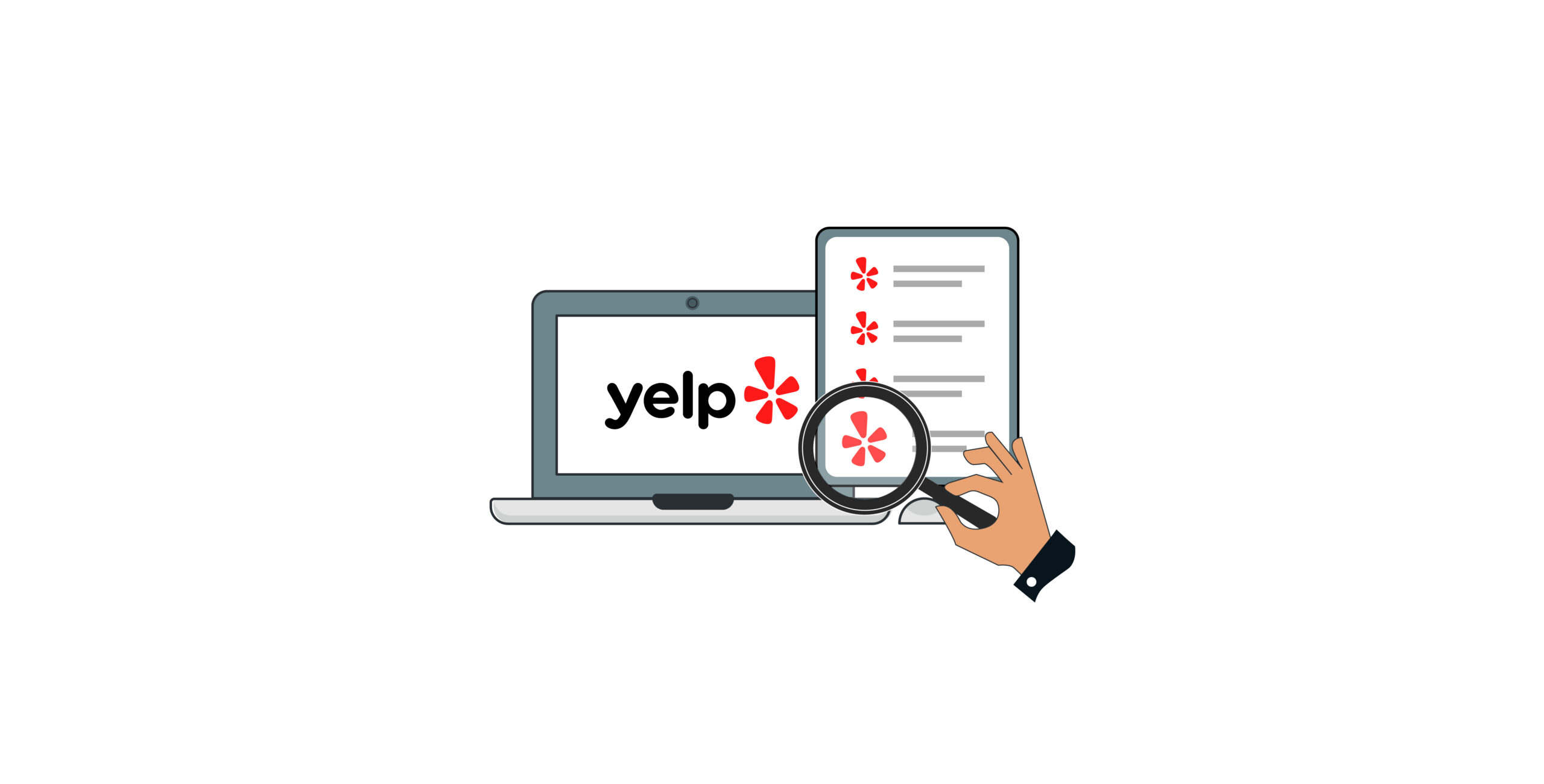
In 2025, Yelp remains one of the most trusted platforms for discovering local businesses, with over 200 million reviews and 100+ million monthly visitors. For marketers, researchers, competitors, and data analysts, accessing Yelp data at scale can reveal powerful insights: customer sentiment trends, pricing patterns, service quality shifts, and emerging hotspots in any city.
A Yelp scraper is an automated tool designed to extract this public data programmatically. While Yelp officially discourages scraping and promotes its paid Fusion API, many still explore scraping for research, monitoring, or internal business intelligence. This comprehensive guide explains everything about Yelp scrapers without a single line of code so you can make informed decisions in 2025.
What Exactly Is a Yelp Scraper?
A Yelp scraper is software (or a cloud service) that systematically collects publicly available information from Yelp.com. Common data points include:
- Business name, address, phone number (NAP)
- Star rating and total review count
- Individual customer reviews and dates
- Photos, hours of operation, price range (, \[ , \])
- Categories and attributes (e.g., “Offers Delivery,” “Outdoor Seating”)
- Review highlights and reviewer profiles
Unlike manual copying, a scraper can collect thousands of listings in minutes across multiple locations and categories.
Why Do People Use Yelp Scrapers in 2025?
Real-world use cases remain strong:
| Use Case | Who Uses It | Example Benefit |
|---|---|---|
| Competitor Analysis | Restaurant owners, agencies | Track how competitors’ ratings change over time |
| Market Research | Real estate investors, franchises | Identify fastest-growing cuisine types in a city |
| Review Sentiment Monitoring | Brand managers | Detect sudden spikes in negative feedback |
| Lead Generation | Local SEO agencies, B2B sales teams | Build hyper-local business contact lists |
| Academic & Journalism | Researchers, reporters | Study gentrification or service quality trends |
| Price & Menu Monitoring | Food delivery platforms | Keep third-party menus and pricing updated |
How Yelp Scrapers Actually Work (No Code Explanation)
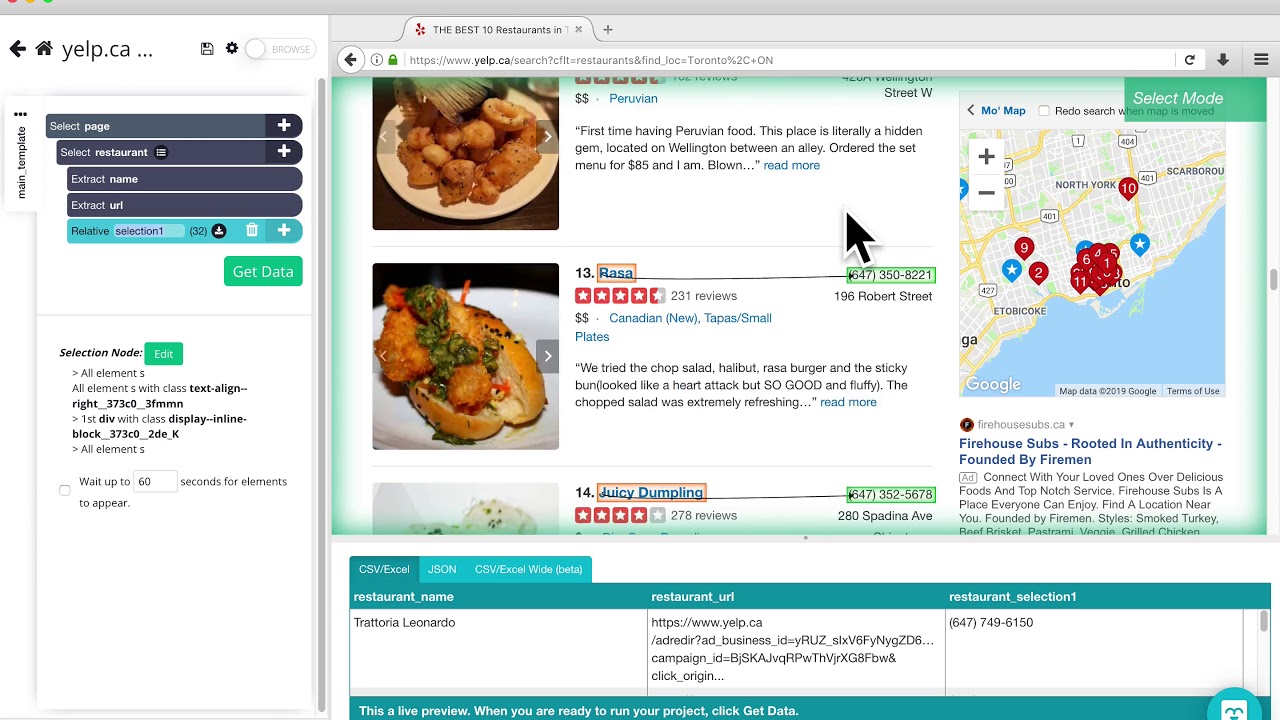
Modern Yelp scrapers follow a predictable workflow:
- Search Generation: The tool creates Yelp search URLs (e.g., “Italian restaurants in Austin, TX”).
- Page Retrieval: It pretends to be a real browser and downloads the HTML.
- HTML Parsing: It reads the page structure to find business cards and review sections.
- Data Extraction: Pulls out structured fields (name, rating, address, etc.).
- Pagination: Automatically clicks “Next” or modifies the URL to get page 2, 3, etc.
- Review Drilling: Visits each business page to collect full reviews if needed.
- Export: Saves everything to CSV, Excel, JSON, or a database.
Most scrapers run either as desktop software, cloud services, or custom scripts.
Types of Yelp Scrapers Available in 2025
| Type | Best For | Price Range | Maintenance Required |
|---|---|---|---|
| No-Code Cloud Tools | Non-technical users, agencies | $49–$499/month | None (fully managed) |
| Open-Source Scripts | Developers on a budget | Free | High (breaks often) |
| Custom Python Solutions | Companies with specific needs | $2k–$15k one-time | Medium-High |
| Browser Extensions | Very small-scale personal use | Free–$20 | Low |
| Enterprise Platforms | Large franchises, data firms | $1k+/month | Low (dedicated support) |
Yelp’s Current Anti-Scraping Defenses (2025 Status)
Yelp has significantly hardened its platform over the years:
- Cloudflare protection on most pages
- Heavy JavaScript rendering (content not visible in raw HTML)
- Dynamic class names that change weekly
- Aggressive rate-limiting and IP blocking
- CAPTCHAs triggered after ~30–50 pages
- Legal monitoring (Yelp has sued scrapers in the past)
Because of this, simple tools that worked in 2018–2021 almost always fail today without advanced bypassing techniques.
Is Scraping Yelp Legal in 2025?
Short answer: It exists in a gray area.
| Aspect | Current Status |
|---|---|
| Public data | Generally legal to access (HiQ vs. LinkedIn precedent, 2019/2022) |
| Yelp Terms of Service | Explicitly forbids automated access without permission |
| CFAA (US computer law) | Risk is low for public data, higher if you bypass logins or CAPTCHAs |
| GDPR (Europe) | Stricter personal reviewer names and photos may trigger compliance issues |
| Commercial use | Highest legal risk Yelp has pursued companies reselling scraped data |
Best Legal Alternatives to Scraping Yelp
Yelp actively wants you to use official channels:
- Yelp Fusion API – Official, free tier (5,000 calls/day), includes business details and reviews.
- Yelp Knowledge Program – Paid partnerships for brands that want enhanced listings and data.
- Google Places API – Often richer data and far fewer restrictions.
- Aggregators – Services like Yext, Moz Local, or BrightLocal license Yelp data legally.
Many businesses find the Fusion API + Google Places combination covers 90% of needs without touching a scraper.
Pros and Cons of Yelp Scrapers (2025 Reality Check)
| Pros | Cons |
|---|---|
| Can get data not available in the API | High chance of getting blocked |
| Full review text and photos | Frequent maintenance needed |
| Unlimited volume (in theory) | Legal and ethical gray area |
| Custom filtering | Data quality can suffer from parsing errors |
FAQ – Yelp Scraper Questions Answered (2025)
1. Can I scrape Yelp without getting blocked in 2025?
Only reliably with residential proxies, rotating user-agents, human-like delays, and constant maintenance. Most retail tools still get blocked after 500–2,000 businesses.
2. Is there a completely free Yelp scraper that still works?
Very few. Open-source GitHub projects from 2023 or earlier are almost all broken due to Yelp’s frequent layout changes.
3. How much does a reliable Yelp scraper cost today?
Expect $99–$299/month for a cloud tool that actually delivers clean data without you managing proxies.
4. Does Yelp sue people for scraping?
Rarely individuals, but yes they have sued companies (e.g., KickStarter in 2016 for selling scraped data) and sent cease-and-desist letters.
5. Can I scrape just busines names and phone numbers?
Technically yes, but still violates TOS. Many local SEO agencies do it quietly using paid scrapers.
6. Is the Yelp API enough for most businesses?
For 80–90% of legitimate use cases, yes. The API now includes review snippets, photos, and transaction features.
7. What’s the safest way to get Yelp data at scale?
Purchase licensed data through partners (Bright Data, Outscraper, or Apify’s paid actors) or use the official Fusion API.
Final Thoughts
A Yelp scraper can be an extremely powerful tool when you need data that isn’t available through official channels. However, in 2025 the technical difficulty, blocking risk, and legal uncertainty have pushed most serious users toward paid APIs or licensed data providers.
If you’re a researcher or hobbyist doing small, non-commercial projects, a well-maintained scraper is still feasible. If you’re a business relying on this data for revenue or client work, the official Yelp Fusion API or licensed third-party data is almost always the smarter, safer, and ultimately cheaper choice in the long run.