 11
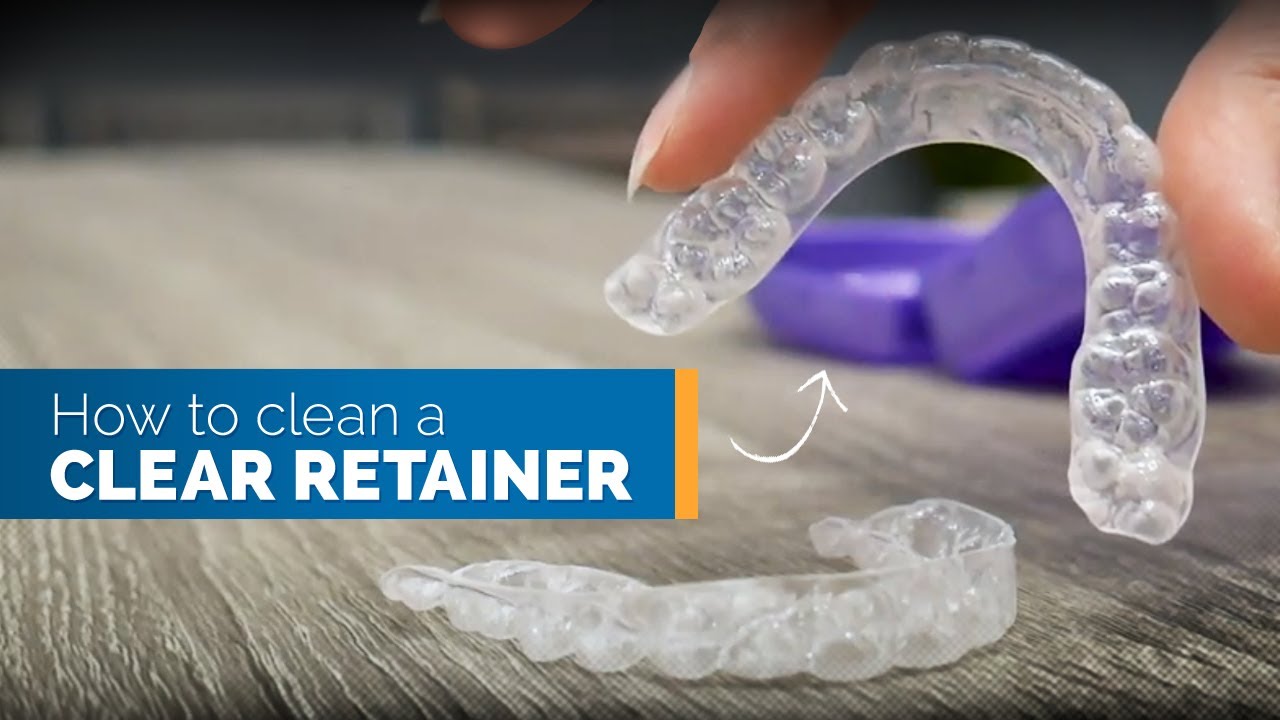
Wearing a retainer after braces or aligners is crucial for keeping your teeth straight, but many people unknowingly shorten its lifespan or invite bacteria by cleaning it incorrectly. Common mistakes like using hot water, abrasive toothpaste, or harsh chemicals—can warp plastic, scratch surfaces, or leave harmful residues. Proper clean retainers care prevents buildup, odors, discoloration, and potential oral health issues like bad breath or infections.
Orthodontists from sources like the American Association of Orthodontists (AAO) stress gentle, consistent cleaning: rinse daily, brush with mild soap, and deep clean weekly. In 2026, with more emphasis on at-home hygiene, knowing how to clean retainers the right way saves money on replacements and protects your smile investment. This guide covers daily habits, deep-clean methods (including how to clean retainers with baking soda, vinegar, and more), and what to avoid for crystal-clear, odor-free retainers.
Retainers collect plaque, bacteria, saliva proteins, and food particles just like teeth do. Without regular care, they develop biofilm that causes white tartar, yellowing, foul smells, and even contributes to gum issues when worn. Poor cleaning also degrades the material—plastic retainers warp from heat, while scratches from abrasives trap more debris.
Consistent cleaning extends retainer life (often 1–5+ years depending on type and wear) and maintains fit. Neglect leads to replacements costing $100–$500 each. The AAO and orthodontists recommend treating retainers like oral appliances: clean them as often as your teeth.
Are you supposed to wash your retainer every day?
Yes, ideally every time you remove it, but at minimum twice daily (morning and night).
Step-by-step routine:
This prevents plaque hardening and bacteria growth. For how to clean plastic retainers with plaque, focus on brushing while wet for easier removal.
Daily brushing handles surface grime, but weekly deep cleans remove stubborn buildup, tartar, and odors.
How to deep clean retainers options (orthodontist-approved):
Always rinse thoroughly after soaking to avoid taste or irritation.
How to clean retainers without tablets: Rely on vinegar, baking soda, or mild soap + brush combos effective and inexpensive.
Many damage retainers unintentionally. Top errors:
Avoid these for longevity always lukewarm water and gentle tools.
For all: Clean case daily with soap/water; replace if cracked/moldy.
Odor comes from bacteria/biofilm. Prevent with:
Can I soak my retainer in dish soap?
Yes, mild dish soap diluted in lukewarm water is orthodontist-recommended for daily/weekly use. Avoid full-strength or prolonged soaks.
| Method | Frequency | Best For | Pros | Cons/Notes |
|---|---|---|---|---|
| Lukewarm water rinse + dish soap brush | Daily | Everyday maintenance | Gentle, cheap, effective | Doesn’t remove deep tartar |
| How to clean retainers with retainer brite | Weekly | Bacteria/tartar removal | Convenient, fizzing action | Costs money |
| Clean retainer with vinegar soak | Weekly | Odor, mineral deposits | Natural, kills bacteria | Strong smell (rinses off) |
| How to clean retainers with baking soda | Weekly/As needed | Odor neutralization, mild scrub | Inexpensive, safe | Mild abrasive—gentle only |
| Hydrogen peroxide soak | Occasional | Stains | Whitens without damage | Dilute properly; avoid overuse |
Yes, rinse and brush daily (or every removal) with lukewarm water and mild dish soap to prevent plaque buildup and bacteria.
Brush daily, deep clean weekly with vinegar or baking soda, store dry in a ventilated case, and rinse after every use to stop bacterial growth.
Yes, dilute mild dish soap in lukewarm water for soaking or brushing. It’s orthodontist-recommended and safe for plastic retainers.
Brush gently with dish soap while wet; for stubborn plaque, weekly vinegar soak + soft brush removes it without scratching.
Weekly with tablets, vinegar, or baking soda more if you notice odor, cloudiness, or buildup.
No, hot water warps plastic. Stick to lukewarm or cool.
Increase deep cleans, check for cracks (replace if damaged), or visit your orthodontist for professional ultrasonic cleaning.
Clean retainers the right way daily gentle brushing with dish soap, weekly deep cleans using how to clean retainers with baking soda, vinegar, or retainer brite, and avoiding common pitfalls like heat or abrasives keeps them clear, odor-free, and effective for years. This protects your orthodontic investment and supports oral health.
Start tonight: Rinse, brush with soap, and schedule a weekly vinegar soak. Consistency is key. If issues persist, consult your orthodontist they can demo techniques or provide professional deep cleans. Your smile stays straight when your retainer stays clean what’s your next cleaning step?