









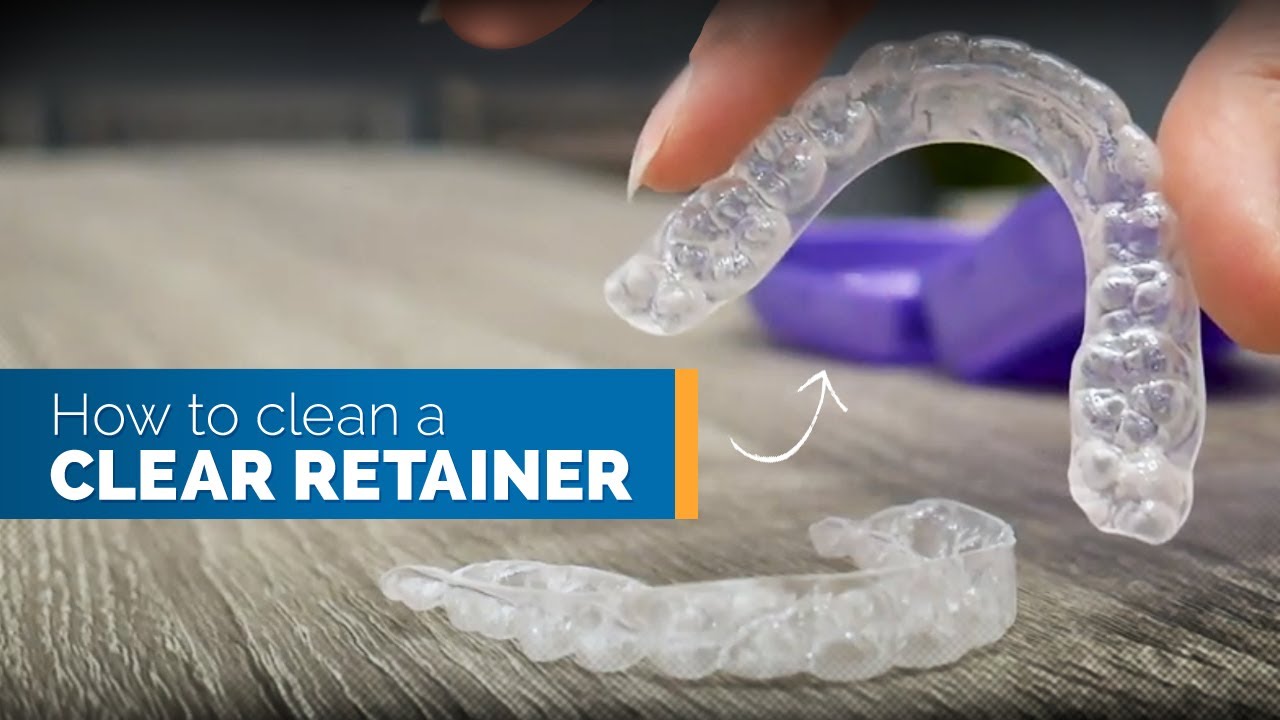
Wearing a retainer after braces or aligners is crucial for keeping your teeth straight, but many people unknowingly shorten its lifespan or invite bacteria by cleaning it incorrectly. Common mistakes like using hot water, abrasive toothpaste, or harsh chemicals—can warp plastic, scratch surfaces, or leave harmful residues. Proper clean retainers care prevents buildup, odors, discoloration, and potential oral health issues like bad breath or infections.
Orthodontists from sources like the American Association of Orthodontists (AAO) stress gentle, consistent cleaning: rinse daily, brush with mild soap, and deep clean weekly. In 2026, with more emphasis on at-home hygiene, knowing how to clean retainers the right way saves money on replacements and protects your smile investment. This guide covers daily habits, deep-clean methods (including how to clean retainers with baking soda, vinegar, and more), and what to avoid for crystal-clear, odor-free retainers.
Why Proper Retainer Cleaning Matters
Retainers collect plaque, bacteria, saliva proteins, and food particles just like teeth do. Without regular care, they develop biofilm that causes white tartar, yellowing, foul smells, and even contributes to gum issues when worn. Poor cleaning also degrades the material—plastic retainers warp from heat, while scratches from abrasives trap more debris.
Consistent cleaning extends retainer life (often 1–5+ years depending on type and wear) and maintains fit. Neglect leads to replacements costing $100–$500 each. The AAO and orthodontists recommend treating retainers like oral appliances: clean them as often as your teeth.
Daily Retainer Cleaning: How to Clean Retainers Daily
Are you supposed to wash your retainer every day?
Yes, ideally every time you remove it, but at minimum twice daily (morning and night).
Step-by-step routine:
- Rinse immediately under lukewarm (never hot) running water to remove loose debris.
- Use a separate soft-bristled toothbrush (not your regular one) dedicated to the retainer.
- Apply a drop of mild, unscented dish soap (like Dawn) or castile soap avoid toothpaste, which is too abrasive.
- Gently brush all surfaces, including grooves and ridges on clear plastic retainers (Essix/Invisalign-style). Use a cotton swab for tight spots.
- Rinse thoroughly with cool water.
- Air-dry completely before storing in a ventilated case never wrap in tissue or leave damp.
This prevents plaque hardening and bacteria growth. For how to clean plastic retainers with plaque, focus on brushing while wet for easier removal.
How to Deep Clean Retainers (Weekly or as Needed)
Daily brushing handles surface grime, but weekly deep cleans remove stubborn buildup, tartar, and odors.
How to deep clean retainers options (orthodontist-approved):
- Retainer cleaning tablets (e.g., how to clean retainers with retainer brite): Drop one in warm water, soak 10–20 minutes, rinse. Effective for bacteria and stains without damage.
- Natural soaks:
- Clean retainer with vinegar: Mix equal parts white vinegar and lukewarm water. Soak 15–30 minutes, brush gently, rinse well. Acetic acid dissolves mineral deposits and kills bacteria.
- How to clean retainers with baking soda: Make a paste (equal parts baking soda and water) or dissolve in water. Scrub gently or soak 10–15 minutes. Neutralizes odors and acts as mild abrasive.
- Combined method: Some mix vinegar + baking soda for fizzing action that lifts buildup add 1 tsp baking soda to vinegar-water soak for 10–15 minutes.
- Hydrogen peroxide (diluted 1:1 with water): Soak 15–20 minutes for stain removal (use food-grade 3%).
Always rinse thoroughly after soaking to avoid taste or irritation.
How to clean retainers without tablets: Rely on vinegar, baking soda, or mild soap + brush combos effective and inexpensive.
Common Mistakes: What Most People Do Wrong
Many damage retainers unintentionally. Top errors:
- Using hot/boiling water → Warps plastic permanently.
- Toothpaste (especially whitening/abrasive) → Scratches surfaces, trapping bacteria.
- Harsh chemicals (bleach, alcohol, mouthwash) → Degrades material or stains.
- Dishwasher or microwave → Extreme heat destruction.
- Storing wet/damp → Promotes mold and odor.
- Skipping rinses → Allows plaque to harden.
Avoid these for longevity always lukewarm water and gentle tools.
Retainer Types and Specific Tips
- Clear plastic (Essix): Extra gentle focus on grooves with swabs; vinegar excels at clarity.
- Hawley (wire + acrylic): Brush wire carefully; avoid bending.
- Fixed/permanent: Floss threaders or interdental brushes around wire; professional ultrasonic cleans help.
For all: Clean case daily with soap/water; replace if cracked/moldy.
How to Keep Your Retainer from Smelling
Odor comes from bacteria/biofilm. Prevent with:
- Daily brushing + rinsing.
- Weekly deep clean (vinegar/baking soda best for odor).
- Store dry in ventilated case.
- Avoid leaving in mouth overnight without cleaning if possible.
- If smell persists, deep clean more often or consult orthodontist.
Can I soak my retainer in dish soap?
Yes, mild dish soap diluted in lukewarm water is orthodontist-recommended for daily/weekly use. Avoid full-strength or prolonged soaks.
Comparison of Cleaning Methods
| Method | Frequency | Best For | Pros | Cons/Notes |
|---|---|---|---|---|
| Lukewarm water rinse + dish soap brush | Daily | Everyday maintenance | Gentle, cheap, effective | Doesn’t remove deep tartar |
| How to clean retainers with retainer brite | Weekly | Bacteria/tartar removal | Convenient, fizzing action | Costs money |
| Clean retainer with vinegar soak | Weekly | Odor, mineral deposits | Natural, kills bacteria | Strong smell (rinses off) |
| How to clean retainers with baking soda | Weekly/As needed | Odor neutralization, mild scrub | Inexpensive, safe | Mild abrasive—gentle only |
| Hydrogen peroxide soak | Occasional | Stains | Whitens without damage | Dilute properly; avoid overuse |
FAQ: Common Questions About Cleaning Retainers
Are you supposed to wash your retainer every day?
Yes, rinse and brush daily (or every removal) with lukewarm water and mild dish soap to prevent plaque buildup and bacteria.
How do I keep my retainer from smelling?
Brush daily, deep clean weekly with vinegar or baking soda, store dry in a ventilated case, and rinse after every use to stop bacterial growth.
Can I soak my retainer in dish soap?
Yes, dilute mild dish soap in lukewarm water for soaking or brushing. It’s orthodontist-recommended and safe for plastic retainers.
What’s the best way to how to clean plastic retainers with plaque?
Brush gently with dish soap while wet; for stubborn plaque, weekly vinegar soak + soft brush removes it without scratching.
How often should I deep clean my retainer?
Weekly with tablets, vinegar, or baking soda more if you notice odor, cloudiness, or buildup.
Can I use hot water to clean my retainer?
No, hot water warps plastic. Stick to lukewarm or cool.
What should I do if my retainer still smells after cleaning?
Increase deep cleans, check for cracks (replace if damaged), or visit your orthodontist for professional ultrasonic cleaning.
Conclusion: Make Retainer Cleaning a Simple Habit
Clean retainers the right way daily gentle brushing with dish soap, weekly deep cleans using how to clean retainers with baking soda, vinegar, or retainer brite, and avoiding common pitfalls like heat or abrasives keeps them clear, odor-free, and effective for years. This protects your orthodontic investment and supports oral health.
Start tonight: Rinse, brush with soap, and schedule a weekly vinegar soak. Consistency is key. If issues persist, consult your orthodontist they can demo techniques or provide professional deep cleans. Your smile stays straight when your retainer stays clean what’s your next cleaning step?