






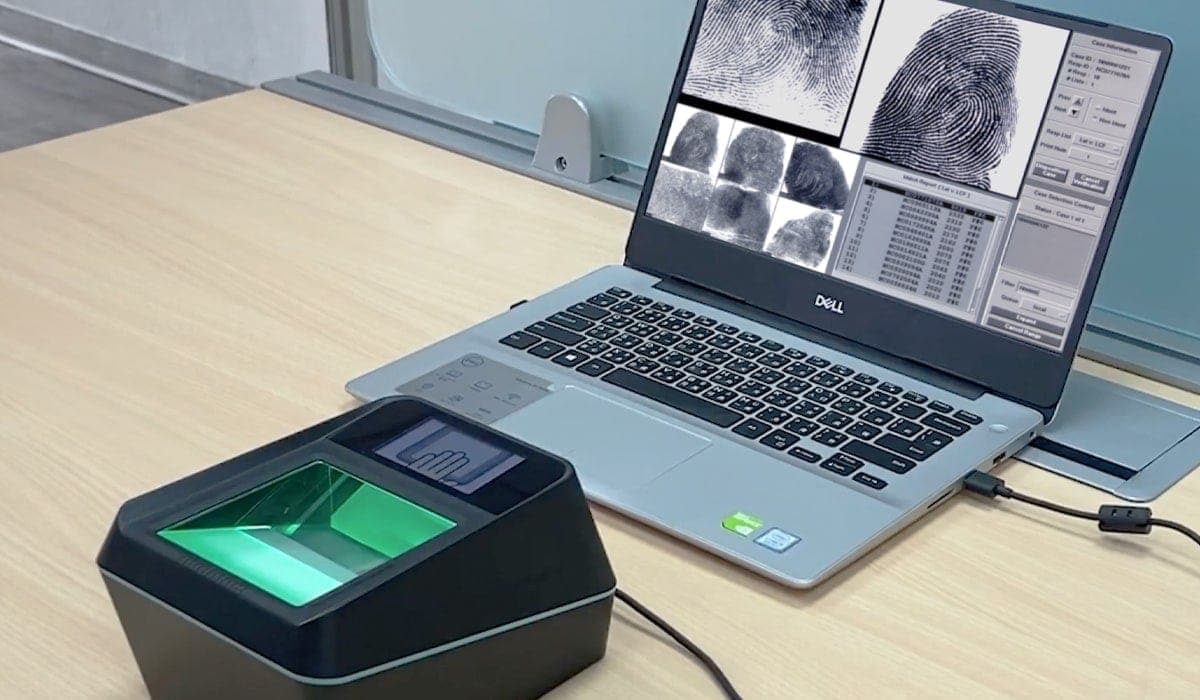
In today’s fast-paced business landscape, organizations are racing to embrace digital transformation the shift toward leveraging technology to optimize operations, enhance customer experiences, and drive growth. At the heart of this evolution lies automatic identification technology (often abbreviated as Auto ID or AIDC), a suite of tools that automates the capture and processing of data about objects, people, or transactions. From streamlining supply chains to powering the Internet of Things (IoT), automatic identification technology is no longer a backend utility; it’s a strategic enabler that turns raw data into actionable intelligence.
Why does this matter now? According to industry reports, companies adopting AIDC solutions see up to 30% improvements in operational efficiency and significant reductions in errors. As digital ecosystems become more interconnected, understanding how automatic identification technology supports digital transformation is crucial for staying competitive. In this article, we’ll explore its fundamentals, methods, types, and real-world applications, including innovative uses like what is auto id in charger systems for smarter device management. Whether you’re in logistics, retail, or manufacturing, these insights will show how Auto ID can propel your organization forward.
What is Automatic Identification Technology?
Automatic identification technology refers to a family of methods that enable machines to identify objects, collect associated data, and feed it directly into digital systems without human intervention. In essence, it’s the bridge between the physical world and digital databases, eliminating manual data entry that plagues traditional processes.
At its core, Auto ID short for what does auto id mean? means “automatic identification.” It encompasses technologies designed to tag, track, and trace items in real-time, ensuring accuracy and speed. For instance, when a warehouse robot scans a barcode on a package, it’s using Auto ID to instantly log inventory details into an enterprise resource planning (ERP) system. This isn’t just about efficiency; it’s foundational for digital transformation, as it generates the high-volume, reliable data needed for analytics, AI-driven decisions, and predictive modeling.
The importance of automatic identification technology has surged with the rise of e-commerce and global supply chains. Pre-Auto ID, errors in data capture could cost businesses millions think misplaced shipments or stockouts during peak seasons. Today, AIDC reduces these risks by up to 99%, according to studies from the Association for Automatic Identification and Mobility (AIM). It’s the unsung hero behind seamless experiences, like Amazon’s one-click ordering or just-in-time manufacturing at Tesla.
One intriguing application is in consumer electronics, where what is auto id in charger comes into play. This refers to smart charging adapters that use Auto ID protocols to detect connected devices (like smartphones or tablets) and optimize power delivery. By automatically identifying the device’s voltage and amperage needs, these chargers prevent overcharging and extend battery life, embodying how Auto ID enhances everyday digital interactions.
Methods of Automatic Identification
The methods of automatic identification technology vary by use case, but they all share a common goal: frictionless data capture. These approaches range from optical scanning to wireless signals, each suited to different environments like high-speed production lines or rugged outdoor settings.
Barcode Scanning: The Reliable Workhorse
Barcodes, one of the earliest methods, encode data in visual patterns scanned by laser or image-based readers. Linear (1D) barcodes handle basic info like product SKUs, while 2D versions like QR codes store richer data, including URLs for instant digital access.
This method excels in retail and logistics, where affordability and simplicity drive adoption. During digital transformation, barcodes integrate with mobile apps for augmented reality (AR) inventory checks, reducing manual audits by 70%.
Radio Frequency Identification (RFID): Wireless Tracking Powerhouse
RFID uses electromagnetic fields to read tags without line-of-sight, making it ideal for bulk scanning. Passive RFID tags (no battery) activate via reader signals, while active ones transmit over longer ranges.
In supply chain digitalization, RFID supports real-time visibility. For example, Walmart’s RFID rollout cut out-of-stock incidents by 16%, fueling data flows for AI-optimized replenishment.
Biometrics and Optical Character Recognition (OCR): Human-Centric Identification
Biometrics, like fingerprint or facial recognition, identify individuals securely, powering access control in smart offices. OCR, meanwhile, digitizes printed text from labels or documents.
These methods enhance digital transformation by personalizing experiences think frictionless logins in banking apps while OCR automates paperwork in healthcare, slashing processing times.
Emerging Methods: NFC and Beyond
Near Field Communication (NFC) enables tap-to-pay and device pairing, bridging physical and digital realms. As 5G proliferates, hybrid methods combining AI with these technologies promise even faster, more accurate identification.
Types of Auto ID Systems
Diving deeper, the types of auto ID systems can be categorized by their core mechanisms and deployment scales. Each type offers unique strengths, from cost-effective entry points to enterprise-grade solutions.
To illustrate, here’s a comparison table of key types of auto ID systems, highlighting their features, use cases, and transformation impacts:
| Type of Auto ID System | Core Mechanism | Key Features | Ideal Use Cases | Digital Transformation Impact |
|---|---|---|---|---|
| Barcode Systems | Optical scanning (laser/imaging) | Low cost, high readability, easy integration | Retail checkout, inventory tracking | Enables real-time stock syncing with e-commerce platforms; reduces errors by 95% |
| RFID Systems | Radio waves for tag reading | No line-of-sight, bulk reading (up to 100s at once), durable tags | Supply chain logistics, asset management | Powers IoT ecosystems for predictive analytics; boosts visibility by 40% |
| Biometric Systems | Physiological traits (e.g., fingerprints, iris) | High security, contactless options | Access control, employee verification | Supports zero-trust security models; accelerates secure digital workflows |
| NFC Systems | Short-range electromagnetic induction | Quick pairing, low power | Mobile payments, smart tags | Facilitates seamless app integrations; drives contactless commerce growth |
| OCR Systems | Image processing of text | Versatile for legacy documents, AI-enhanced accuracy | Document digitization, compliance tracking | Automates data entry in back-office ops; cuts processing costs by 50-70% |
Companies like AdvaNova, a UK-based innovator in automatic identification technology, exemplify specialized systems. AdvaNova focuses on library automation and electronics consultancy, deploying RFID and NFC solutions to streamline book tracking and user access. Their work shows how niche Auto ID types can transform even non-industrial sectors, like education, into data-driven hubs.
How Automatic Identification Technology Supports Digital Transformation
Automatic identification technology isn’t just a tool it’s the connective tissue of digital transformation. By automating data flows, it unlocks efficiencies that cascade across operations, from edge computing to cloud analytics.
Enhancing Supply Chain Visibility and Resilience
In logistics, Auto ID transforms opaque chains into transparent networks. RFID and GPS-integrated systems provide end-to-end tracking, enabling blockchain-secured provenance for products. During disruptions like the 2021 Suez Canal blockage, firms with robust AIDC recovered 25% faster, per McKinsey insights.
This visibility supports predictive maintenance and dynamic routing, core to Industry 4.0. For instance, Maersk’s TradeLens platform uses Auto ID to digitize shipping docs, cutting paperwork delays by 80%.
Fueling IoT and Smart Manufacturing
Digital transformation thrives on IoT, where billions of devices generate petabytes of data. Automatic identification technology tags these assets, allowing seamless integration. In smart factories, vision-based Auto ID (e.g., machine vision cameras) monitors assembly lines, flagging defects in milliseconds.
The result? Downtime reductions of up to 50% and personalized production, as seen in Siemens’ Amberg plant, where Auto ID drives 99.9988% quality rates.
Driving Customer-Centric Retail and E-Commerce
Retailers leverage Auto ID for omnichannel experiences. QR codes on shelves link to AR try-ons, while RFID enables “grab-and-go” checkouts like Amazon Go. This not only boosts sales by 20% in piloted stores but also feeds customer data into CRM systems for hyper-targeted marketing.
Even in niche areas, like what is auto id in charger tech, it personalizes charging: adapters from brands like LENCENT use device detection to deliver tailored power, mirroring broader trends in smart home ecosystems.
Boosting Data Security and Compliance
As transformation digitizes sensitive info, Auto ID ensures secure capture. Biometrics thwart breaches, while encrypted RFID tags comply with GDPR or HIPAA. This trust layer encourages adoption of cloud migrations and AI, with secure data as the foundation.
AdvaNova’s library systems, for example, use tamper-proof Auto ID to protect patron privacy while enabling frictionless borrowing a model scalable to any data-sensitive industry.
Challenges and Future-Proofing Strategies
Adoption hurdles include integration costs and legacy system compatibility. Yet, hybrid clouds and APIs are bridging gaps. Looking ahead, AI-augmented Auto ID think self-learning RFID will amplify transformation, projecting a $100B market by 2030.
FAQ: Common Questions About Automatic Identification Technology
What is automatic identification technology?
Automatic identification technology (AIDC) is a set of tools and methods for automatically recognizing objects or people and capturing related data for direct entry into computer systems. It minimizes human error and speeds up processes in industries like logistics and retail.
What are the methods of automatic identification?
The primary methods include barcode scanning, RFID, biometrics, OCR, and NFC. Each method suits different needs: barcodes for simple tracking, RFID for wireless bulk reads, and biometrics for secure personal ID.
What are the types of auto ID systems?
Types of auto ID systems encompass barcode, RFID, biometric, NFC, and OCR systems. They differ in range, cost, and application, with RFID excelling in high-volume environments and biometrics in security-focused ones.
What does auto id mean?
Auto ID means automatic identification a technology that enables machines to identify items or individuals without manual input, streamlining data capture for digital systems.
How does automatic identification technology integrate with IoT?
Auto ID tags IoT devices for real-time tracking, feeding data into analytics platforms. This synergy powers smart cities and predictive maintenance, enhancing overall digital ecosystems.
What role does automatic identification technology play in sustainability?
By optimizing supply chains and reducing waste through accurate tracking, Auto ID supports green initiatives. For example, RFID minimizes overproduction, aligning with ESG goals.
Is automatic identification technology expensive to implement?
Initial costs vary, but ROI is quick often within 6-12 months via efficiency gains. Scalable solutions from providers like AdvaNova make it accessible for SMEs.
Conclusion: Embrace Auto ID for Tomorrow’s Transformation
Automatic identification technology is the linchpin of digital transformation, turning physical operations into intelligent, data-rich processes. From barcode basics to RFID revolutions, its methods and types empower businesses to innovate, adapt, and thrive. As we’ve seen, whether in supply chains, manufacturing, or even what is auto id in charger applications, Auto ID delivers tangible value.