






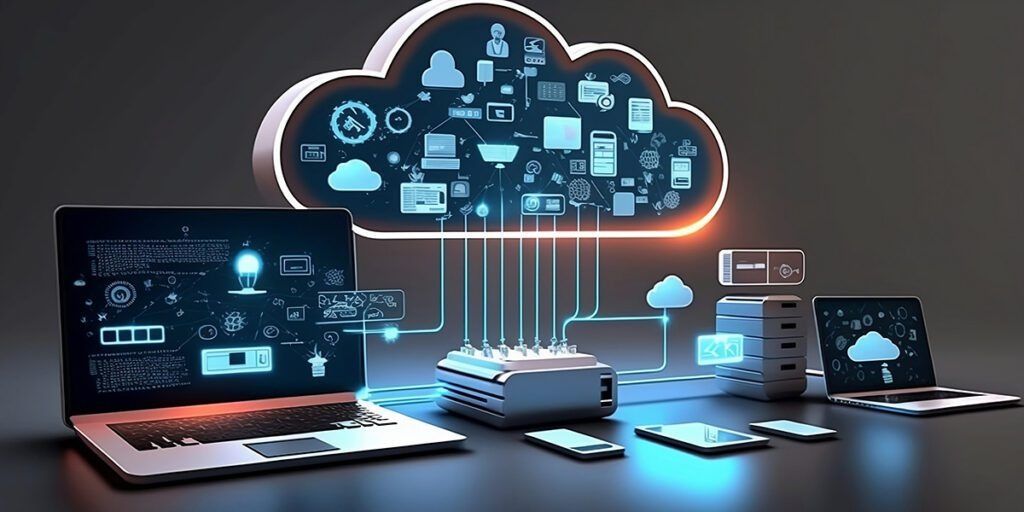
In today’s fast-paced digital era, the business computing world stands at the forefront of innovation, blending technology with strategic business practices to drive efficiency and growth. But what exactly is this realm? Business computing refers to the integration of computing technologies like software development, data analytics, and information systems with core business functions such as management, marketing, and operations. It’s not just about coding or hardware; it’s about using tech to solve real-world business problems and create competitive advantages.
Why does this matter? As global industries face challenges like supply chain disruptions, cyber threats, and the need for sustainable practices, the business computing world provides the tools to adapt and thrive. According to recent insights, digital transformation powered by business computing is expected to add trillions to the global economy by 2030. This article dives deep into how the business computing world is reshaping industries, explores career paths, and looks ahead to future trends. Whether you’re a student considering a degree or a professional eyeing tech-driven opportunities, understanding this fusion of business and computing is key to staying relevant.
Understanding the Business Computing World
What is Business Computing?
At its core, business computing is a multidisciplinary field that combines computing skills with business acumen. It’s often offered as a dual degree program lasting four to five years, focusing on areas like software development, database management, and business strategy. Unlike pure computer science, which dives deep into algorithms and theory, business computing emphasizes practical applications in a corporate setting. For instance, students learn to use tools like Microsoft Office suite for data analysis and decision-making, alongside programming languages to build business-oriented software.
This hybrid approach prepares individuals to bridge the gap between IT departments and business executives. In programs like the BSc in Business Computing at institutions such as the University of Leicester, coursework includes marketing, entrepreneurship, and computing modules to foster well-rounded professionals. The business computing world isn’t confined to academia; it’s evident in everyday tools like enterprise resource planning (ERP) systems that streamline operations for companies worldwide.
Why the Business Computing World Matters Today
The rise of digital technologies has made business computing indispensable. With AI, cloud computing, and big data revolutionizing how companies operate, businesses that ignore this integration risk falling behind. For example, the global shift toward remote work during the pandemic highlighted the need for robust computing infrastructures to support collaboration and data security. In essence, the business computing world empowers organizations to leverage data for informed decisions, automate routine tasks, and enhance customer experiences ultimately boosting profitability and innovation.

How Business Computing is Transforming Key Industries
The business computing world is not a static concept; it’s actively reshaping global industries by introducing efficiencies, predictive capabilities, and new business models. Let’s explore some prime examples.
Healthcare: From Paper Records to AI-Driven Care
In healthcare, business computing has transitioned from basic electronic health records (EHRs) to sophisticated AI systems that predict patient outcomes. Tools like predictive analytics help hospitals manage resources better, reducing wait times and costs. For instance, cognitive computing platforms like IBM Watson analyze vast datasets to assist in diagnostics, transforming how doctors approach treatment plans.
Cloud computing enables telemedicine, allowing remote consultations that expand access to care, especially in underserved areas. This integration not only improves patient satisfaction but also streamlines administrative tasks, freeing up professionals for critical duties.
Finance: Enhancing Security and Speed with FinTech
The finance sector exemplifies the business computing world’s impact through FinTech innovations. Blockchain and AI are used for fraud detection and automated trading, making transactions faster and more secure. Banks employ distributed computing for real-time data processing, enabling seamless global transfers.
Data analytics tools help in risk assessment, where algorithms predict market trends based on historical data. This has democratized finance, with apps like Robinhood using computing power to offer commission-free trading to everyday users.
Retail: Personalized Shopping Through Data Analytics
Retail has been revolutionized by business computing via e-commerce platforms and personalized marketing. Companies like Amazon use machine learning to recommend products, increasing sales by up to 35%. Inventory management systems powered by IoT and edge computing track stock in real-time, minimizing shortages.
Augmented reality (AR) apps allow virtual try-ons, blending computing with business to enhance customer engagement and reduce return rates.
Manufacturing: Smart Factories and Automation
In manufacturing, the business computing world introduces Industry 4.0 concepts like smart factories. Robotics and AI optimize production lines, predicting maintenance needs to avoid downtime. Digital twins virtual replicas of physical assets simulate processes for better efficiency.
This leads to sustainable practices, as computing models help reduce waste through precise resource allocation.
To illustrate these transformations, here’s a comparative table:
| Industry | Key Business Computing Application | Impact on Efficiency | Example Company/Tool |
|---|---|---|---|
| Healthcare | AI Diagnostics & EHRs | Reduces diagnosis time by 30% | IBM Watson |
| Finance | Blockchain & Fraud Detection | Lowers fraud losses by 25% | Aladdin by BlackRock |
| Retail | Predictive Analytics & AR | Boosts sales by 20-35% | Amazon Recommendations |
| Manufacturing | IoT & Digital Twins | Cuts downtime by 40% | Siemens Digital Twin |
This table highlights how targeted computing solutions yield measurable benefits across sectors.
Future Trends in the Business Computing World
Looking ahead, the business computing world is poised for explosive growth with trends like AI-native development platforms and quantum computing. By 2026, multiagent systems where AI agents collaborate will automate complex business processes, from supply chain management to customer service.
Edge computing combined with 5G/6G will enable real-time data processing in remote locations, transforming industries like agriculture and logistics. Sustainability will be a focus, with green computing practices reducing the carbon footprint of data centers.
Confidential computing will enhance data privacy, crucial for regulated industries. These advancements promise to make businesses more agile and resilient.
Career Paths in the Business Computing World
Is Business Computing a Good Course?
Absolutely business computing is a solid choice for those seeking versatile skills. It offers a blend of technical and soft skills, making graduates highly employable in a job market where tech-savvy business pros are in demand. While it requires dedication, as noted by students experiencing imposter syndrome, the interdisciplinary nature fosters well-rounded development. Programs in London are particularly sought after due to industry connections.
What Can You Do with a Business Computing Degree?
A degree in business computing opens doors to roles like business analyst, IT consultant, project manager, and systems analyst. You could specialize in software engineering, data science, or even cybersecurity. For those blending business and tech, positions in IT management or digital marketing are ideal. Graduates often work in diverse fields, from finance to healthcare, with competitive salaries.
What is in the Business World?
The business world encompasses a vast array of sectors, from retail and finance to tech and manufacturing. It includes giants like Apple and startups alike, driven by trends such as AI adoption and sustainability. Key elements are innovation, competition, and adaptation to global events, with technology playing a central role.
FAQ
What is Business Computing?
Business computing is a field that merges computing technologies with business principles to optimize operations and decision-making. It involves software, data management, and strategic IT applications.
Is Business Computing a Good Course?
Yes, it’s an excellent course for building practical skills in high-demand areas like IT management and data analysis. It prepares you for versatile careers with strong job prospects.
What Can I Do with a Business Computing Degree?
You can pursue roles such as IT consultant, business analyst, software developer, or project manager in various industries.
What is in the Business World?
The business world includes industries like finance, retail, tech, and more, focusing on operations, innovation, and market dynamics.
How is AI Influencing Business Computing?
AI automates tasks, enhances analytics, and drives personalization, transforming how businesses operate across sectors.
What Are the Challenges in Adopting Business Computing?
Challenges include data privacy concerns, high implementation costs, and the need for skilled talent.
How Can Businesses Prepare for Future Computing Trends?
By investing in training, adopting scalable tech like cloud computing, and fostering a culture of innovation.
Conclusion
The business computing world is a dynamic force reshaping global industries through innovation and efficiency. From healthcare’s AI diagnostics to retail’s personalized experiences, its impact is profound and far-reaching. As trends like quantum computing emerge, staying informed is crucial. If you’re intrigued, consider exploring a business computing degree or upskilling in related areas visit resources like Wikipedia’s Business and Computing page for more. Or, for internal insights, check our guide on digital transformation strategies. Embrace this world today to lead tomorrow’s industries.