






In today’s fast-paced business landscape, companies face relentless pressure to adapt or fall behind. Digital transformation business process management has emerged as a critical framework for organizations aiming to streamline operations, boost efficiency, and stay competitive. This integration isn’t just about adopting new tools it’s about rethinking how processes function in a digital-first world.
Why does this matter? Businesses that successfully merge digital technologies with business process management (BPM) see up to 30% higher operational efficiency, according to Gartner. From automating routine tasks to leveraging real-time analytics, the synergy between digital transformation and BPM drives measurable outcomes. This article explores practical strategies, real-world examples, and actionable insights to help leaders implement these changes effectively.
Understanding Digital Transformation and BPM
What Is Digital Transformation?
Digital transformation involves integrating digital technologies into all areas of a business, fundamentally changing how it operates and delivers value. It goes beyond digitizing paper processes it’s about cultural shifts, customer-centric innovation, and data-driven decision-making.
Key drivers include:
- Customer expectations: 80% of consumers expect personalized experiences (Salesforce).
- Operational agility: Cloud computing enables scalability.
- Competitive edge: AI and automation reduce costs by 20–40% (McKinsey).
What Is Business Process Management (BPM)?
BPM is a disciplined approach to identifying, designing, executing, monitoring, and optimizing business processes. It ensures consistency, reduces waste, and aligns operations with strategic goals.
Core BPM components:
- Process modeling – Mapping workflows.
- Automation – Using software to execute tasks.
- Monitoring – KPIs and real-time dashboards.
- Continuous improvement – Iterative refinement.
When digital transformation business process management strategies align, organizations achieve end-to-end visibility and adaptability.
The Strategic Role of Digital Transformation in BPM
Why Integration Is Essential
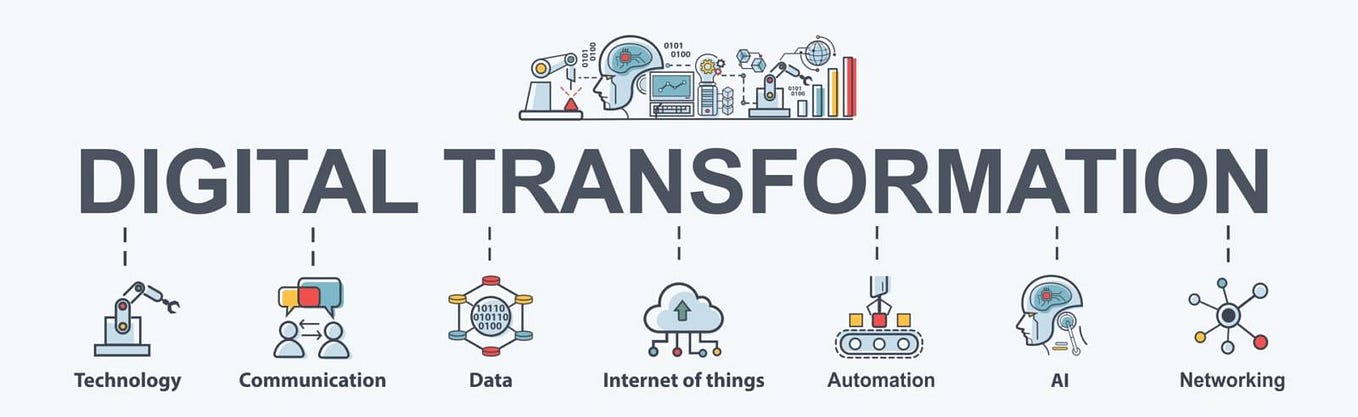
Traditional BPM often relies on manual oversight and rigid workflows. Digital transformation injects agility through:
- AI-driven insights – Predictive analytics for process bottlenecks.
- Cloud-based BPM platforms – Real-time collaboration across global teams.
- IoT integration – Sensor data triggering automated workflows.
A 2024 Deloitte study found that 70% of enterprises integrating AI into BPM reduced process cycle times by at least 25%.
Core Benefits of Integration
| Benefit | Description | Impact (Example) |
|---|---|---|
| Efficiency Gains | Automation eliminates repetitive tasks | Retail order processing time cut by 60% (Walmart case) |
| Cost Reduction | Lower error rates and resource waste | Manufacturing defects down 35% (Siemens) |
| Agility | Faster response to market changes | Banking loan approvals in hours, not days |
| Customer Satisfaction | Personalized, seamless experiences | NPS scores up 20 points (Starbucks app) |
| Data-Driven Decisions | Real-time analytics | Inventory accuracy improved 98% (Amazon) |
Key Technologies Powering Digital Transformation in BPM
1. Robotic Process Automation (RPA)
RPA uses software bots to handle rule-based tasks like data entry or invoice processing. When combined with BPM, it scales automation across departments.
Use Case: A European bank automated 70% of its back-office processes, saving €12 million annually (UiPath report).
2. Artificial Intelligence and Machine Learning
AI enhances BPM by:
- Predicting process delays.
- Recommending optimizations.
- Enabling natural language processing for customer queries.
Insight: Companies using AI in BPM report 40% faster decision-making (Forrester).
3. Low-Code/No-Code Platforms
Tools like Microsoft Power Automate or Appian allow non-technical users to design workflows. This democratizes digital transformation business process management.
4. Cloud-Native BPM Suites
Platforms such as Camunda or Pega offer scalability, security, and integration with legacy systems.
Step-by-Step Framework for Integration
Step 1: Assess Current Processes
Conduct a process audit:
- Map all workflows.
- Identify pain points (delays, errors, costs).
- Prioritize high-impact areas.
Tool Tip: Use BPMN 2.0 for standardized modeling.
Step 2: Define Digital Objectives
Align technology with business goals:
- Reduce turnaround time by X%.
- Improve accuracy to Y%.
- Enhance customer touchpoints.
Step 3: Select the Right Tools
| Tool Type | Examples | Best For |
|---|---|---|
| BPM Suites | Pega, Appian | Complex, regulated industries |
| RPA | UiPath, Automation Anywhere | Rule-based tasks |
| AI Platforms | IBM Watson, Google Cloud AI | Predictive analytics |
| Low-Code | OutSystems, Mendix | Rapid prototyping |
Step 4: Pilot and Scale
Start with a single process (e.g., HR onboarding). Measure KPIs before and after implementation.
Step 5: Foster Change Management
- Train employees on new tools.
- Communicate wins early.
- Appoint digital champions.
Real-World Success Stories
Case Study 1: Siemens – Industrial Digital Transformation
Siemens integrated IoT sensors with its BPM system to monitor manufacturing lines in real time. Result: 30% reduction in downtime and €200 million in annual savings.
Case Study 2: DBS Bank – Asia’s Digital Leader
DBS used AI-driven BPM to automate 80% of customer onboarding. The bank reduced processing time from 5 days to under 30 minutes, earning the “World’s Best Digital Bank” title (Euromoney).
Case Study 3: Unilever – Supply Chain Optimization
By combining RPA and cloud BPM, Unilever achieved 99% order accuracy and cut logistics costs by 15%.
Challenges and How to Overcome Them
1. Resistance to Change
Solution: Involve employees in pilot projects and highlight personal benefits (e.g., less manual work).
2. Data Silos
Solution: Implement middleware like MuleSoft for seamless integration.
3. High Initial Costs
Solution: Start small with SaaS tools (pay-as-you-go) and scale based on ROI.
4. Cybersecurity Risks
Solution: Adopt zero-trust architecture and regular audits.
Measuring Success: KPIs for Digital BPM
| KPI | Target | Measurement Tool |
|---|---|---|
| Process Cycle Time | Reduce by 30% | BPM dashboard |
| Error Rate | <1% | Automated logs |
| Employee Productivity | +25% tasks/hour | Time tracking |
| Customer Satisfaction (CSAT) | >85% | Surveys |
| ROI | >200% in 18 months | Financial reports |
The Future of Digital Transformation in BPM
Emerging trends:
- Hyperautomation: Combining AI, RPA, and process mining.
- Digital Twins: Virtual replicas of physical processes for simulation.
- Blockchain in BPM: Immutable audit trails for compliance.
By 2027, Gartner predicts 80% of enterprises will use AI-augmented BPM.
FAQ
1. What is digital transformation business process management?
It’s the strategic integration of digital tools (AI, RPA, cloud) into BPM to optimize workflows, reduce costs, and improve agility.
2. How long does it take to implement digital BPM?
Small-scale pilots take 3–6 months. Full enterprise rollout: 12–24 months, depending on complexity.
3. Do I need coding skills to manage digital BPM?
No. Low-code platforms enable business users to design and modify processes.
4. What’s the difference between BPM and digital transformation?
BPM focuses on process optimization. Digital transformation uses technology to reinvent those processes entirely.
5. Which industries benefit most from this integration?
Finance, manufacturing, healthcare, retail, and logistics see the highest ROI.
6. Can small businesses afford digital BPM tools?
Yes. SaaS solutions start at $10/user/month, with scalable pricing.
7. How does AI improve BPM?
AI predicts bottlenecks, automates decisions, and personalizes customer journeys.
Conclusion
Integrating digital transformation into business process management strategies isn’t optional it’s a survival imperative. From automation to predictive analytics, the tools are accessible, and the payoffs are proven. Start by auditing one critical process, pilot a digital solution, and scale with confidence.