






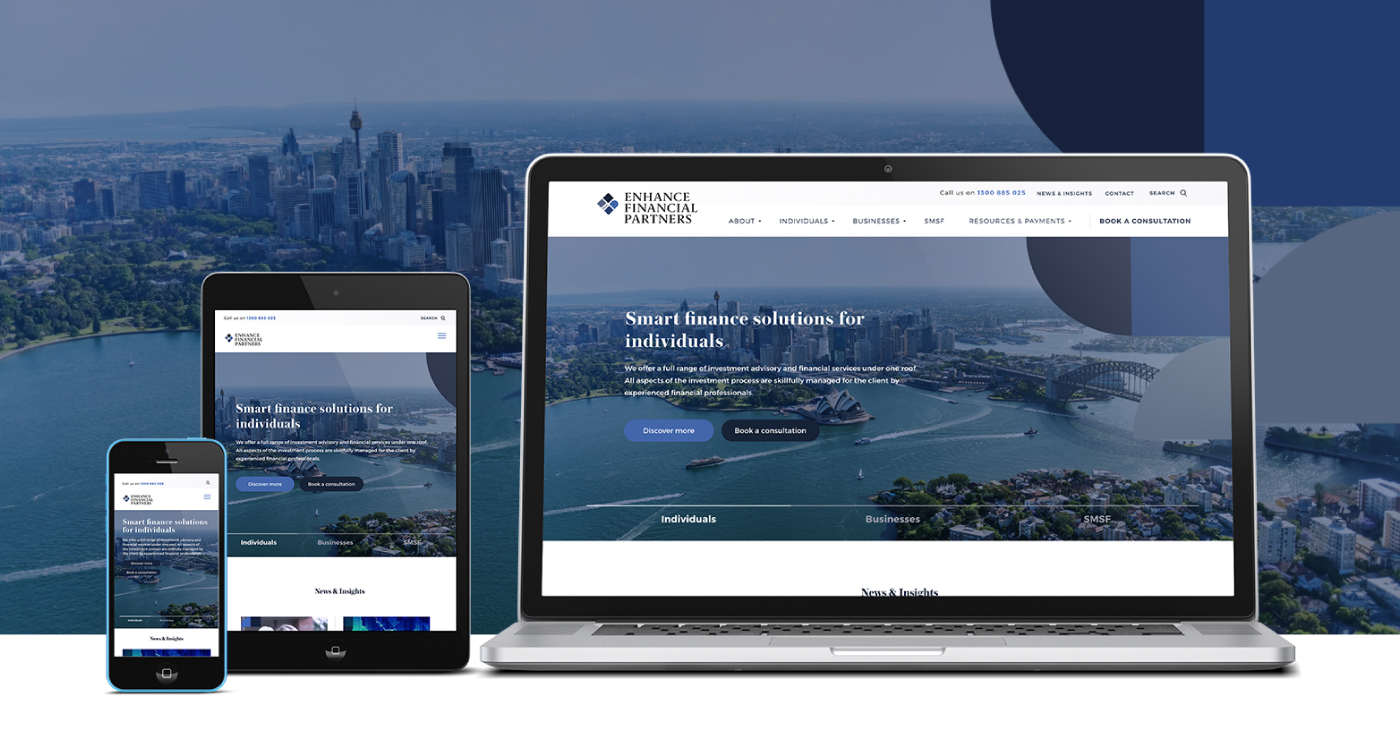
In an era where digital interactions dominate everyday life, the online presence of financial institutions has become a critical touchpoint for building trust and fostering client relationships. Financial services web design isn’t just about aesthetics it’s a strategic tool that influences how users perceive security, reliability, and accessibility in handling their money. With more consumers turning to online platforms for banking, investing, and financial advice, a poorly designed website can lead to lost opportunities, while a well-crafted one can drive growth and loyalty. This article explores why investing in top-notch financial services web design is essential, covering key elements, benefits, templates, examples, and tips for selecting the right experts, particularly in hubs like London.
The Importance of Financial Services Web Design in Today’s Digital Landscape
The financial sector has undergone a massive shift toward digitalization, accelerated by events like the global pandemic and the rise of fintech innovations. Today, a website serves as the virtual front door for banks, investment firms, accounting services, and advisory companies. According to industry insights, an effective financial services web design can enhance user experience, improve brand perception, and maximize conversion rates by making complex information digestible and navigation intuitive. For instance, in a competitive market, users expect seamless interactions similar to those on e-commerce sites, but with added layers of security and compliance.
Why does this matter more than ever? Consumer trust is paramount in finance, where data breaches can erode confidence overnight. A modern website acts as a digital branch, allowing customers to engage directly with services, from checking balances to applying for loans. Moreover, with mobile usage surpassing desktop for financial queries, designs that prioritize accessibility can capture a broader audience. Statistics show that investing in user experience can yield a return on investment of up to 9,900%, highlighting the economic incentive for financial firms to prioritize their online platforms.
Beyond functionality, financial services web design plays a role in regulatory compliance and communication. Websites must convey important updates efficiently, ensuring clients stay informed about market changes or policy shifts. In essence, it’s not just about looking good it’s about creating a platform that builds credibility, educates users, and converts visitors into loyal clients.
Key Elements of Effective Financial Services Web Design
Crafting a successful financial services web design involves blending aesthetics with functionality, security, and user-centric features. Here are the core components that set the best designs apart.
Reactive Web Design: Adapting to User Needs
Reactive web design, often synonymous with responsive techniques, ensures that financial websites adapt seamlessly to different devices, from smartphones to desktops. In the financial sector, where users might check portfolios on the go, this is non-negotiable. A reactive approach means layouts adjust dynamically, maintaining usability without compromising content. For example, mobile-first designs improve accessibility, reducing bounce rates and enhancing engagement.
Best practices include using flexible grids, scalable images, and media queries to handle varying screen sizes. This not only boosts SEO since search engines favor mobile-friendly sites but also aligns with user expectations for quick, reliable access to financial tools. Firms ignoring reactive web design risk alienating a significant portion of their audience, as over half of web traffic now comes from mobile devices.
Security and Compliance Features
Security is the bedrock of financial services web design. Users need assurance that their sensitive data is protected, so incorporating visible elements like SSL certificates, secure login portals, and compliance badges (e.g., GDPR or PCI DSS) is crucial. Designs should highlight these features prominently to build trust from the first click.
Additionally, integrating tools like two-factor authentication and encrypted forms can prevent breaches while complying with industry regulations. A secure design not only protects users but also safeguards the firm’s reputation in an age of rising cyber threats.
User Experience and Intuitive Navigation
A great financial services web design focuses on simplicity and clarity. Minimalist layouts with clean typography, strategic use of whitespace, and intuitive menus help users find what they need quickly whether it’s a loan calculator or investment advice. Engaging elements like videos, icons, and clear calls-to-action (CTAs) guide visitors toward conversions, such as scheduling consultations or signing up for newsletters.
Personalization is another key trend: using data to tailor content, like recommending services based on user behavior, can increase retention. Ultimately, prioritizing UX turns a static site into an interactive hub that fosters long-term relationships.
SEO and Content Optimization
To attract organic traffic, financial services web design must incorporate SEO best practices. This includes fast loading times, mobile optimization, and keyword-rich content. Naturally integrating terms like “financial services web design” helps search engines rank the site higher, drawing in potential clients searching for related services.
Benefits of Investing in Professional Financial Services Web Design
The payoffs of a well-executed financial services web design extend far beyond visuals. First, it enhances brand credibility: a professional site signals expertise and reliability, crucial in a trust-based industry. This can lead to higher client acquisition rates, as users are more likely to engage with firms that appear modern and user-friendly.
Second, it drives conversions. Features like integrated chatbots, easy-to-use forms, and personalized dashboards encourage actions, from account openings to inquiries. Data indicates that optimized designs can boost engagement and reduce abandonment rates significantly.
Third, it supports marketing efforts. A website acts as an online brochure, showcasing services, case studies, and testimonials to inform and attract clients. For firms in competitive markets like London, this digital asset can differentiate them from rivals.
Finally, long-term cost savings arise from scalable designs that adapt to growth, minimizing the need for frequent overhauls.
Exploring Financial Services Web Design Templates
For firms looking to launch or revamp quickly, financial services web design templates offer a cost-effective starting point. These pre-built frameworks provide customizable structures tailored to the sector, incorporating elements like secure forms and financial calculators.
Popular options include templates from ThemeForest, Wix, and Webflow, which emphasize responsiveness and compliance. For instance, Financity from ThemeForest is designed for business and finance WordPress sites, featuring modern layouts and integration options.
Here’s a comparison table of some top financial services web design templates:
| Template Name | Provider | Key Features | Price Range |
|---|---|---|---|
| Financity | ThemeForest | Responsive design, financial widgets, SEO-ready | $59 one-time |
| Consulting | ThemeForest | Business-focused, customizable sections, integration with plugins | $69 one-time |
| Finance Templates | Wix | Drag-and-drop editor, mobile optimization, secure payment gateways | Free to $500/month premium |
| WealthWise | Figma | Industry-specific layouts, high customization, responsive grids | Free community file |
| Finance & Accounting | Webflow | Client portals, calculators, compliant designs | Starting at $29/month |
Best Financial Services Web Design Examples
Examining real-world examples reveals what makes the best financial services web design stand out. Morgan Stanley’s site exemplifies clean, professional design with intuitive navigation and interactive tools that build user trust. Vanguard focuses on simplicity, using minimalism to highlight educational content and investment options.
Betterment and Wealthfront showcase fintech innovation with personalized dashboards and mobile-responsive interfaces. In the UK, sites like those from Empower and RiseUp incorporate modern visuals and secure features to engage users effectively. These examples demonstrate how aligning design with user needs can elevate a firm’s digital presence.
Choosing Web Developers in London for Your Financial Services Website
London is a hotspot for innovative web design, with numerous agencies specializing in financial services. When selecting web developers in London, look for those with sector expertise, like DeType or Yellowball, which offer bespoke solutions for fintech and accounting firms. London web design firms such as Richard Chapman Studio emphasize strategic branding and compliance, ensuring sites meet regulatory standards.
Key factors to consider: Portfolio of financial projects, understanding of reactive web design, and integration capabilities. Agencies like Illustrate Digital focus on UX for banks and fintechs, delivering secure, scalable sites. Partnering with local experts can provide tailored insights into the UK market, enhancing your site’s relevance and performance.
Frequently Asked Questions (FAQ)
What is financial services web design?
Financial services web design refers to the creation of websites tailored for banks, investment firms, and advisory services, focusing on security, usability, and compliance to build trust and drive engagement.
Why is reactive web design important for financial websites?
Reactive web design ensures adaptability across devices, improving accessibility and user experience, which is vital for mobile-savvy financial users.
How do I choose a financial services web design template?
Select templates based on features like responsiveness, security integrations, and customization options from providers like Wix or ThemeForest.
What makes the best financial services web design?
The best designs prioritize trust-building elements, intuitive navigation, mobile optimization, and clear CTAs, as seen in examples like Vanguard.
Are there specialized web developers in London for financial services?
Yes, agencies like DeType and Yellowball in London specialize in financial web design, offering expertise in compliance and user-centric features.
How does financial services web design impact SEO?
Optimized designs with fast loads, mobile-friendliness, and keyword integration improve search rankings, attracting more organic traffic.
Can financial services web design templates be customized?
Absolutely most templates allow extensive customization to fit your brand, though professional input ensures compliance and uniqueness.
Conclusion
In summary, financial services web design is a cornerstone of modern business strategy, enhancing trust, engagement, and growth in a digital-first world. From reactive web design to secure features and templates, investing wisely pays dividends. If you’re ready to elevate your online presence, consider partnering with expert web developers in London. Explore options today and transform your site into a powerful asset visit sites like ThemeForest for templates or consult local agencies for bespoke solutions. Your financial future online starts now.