





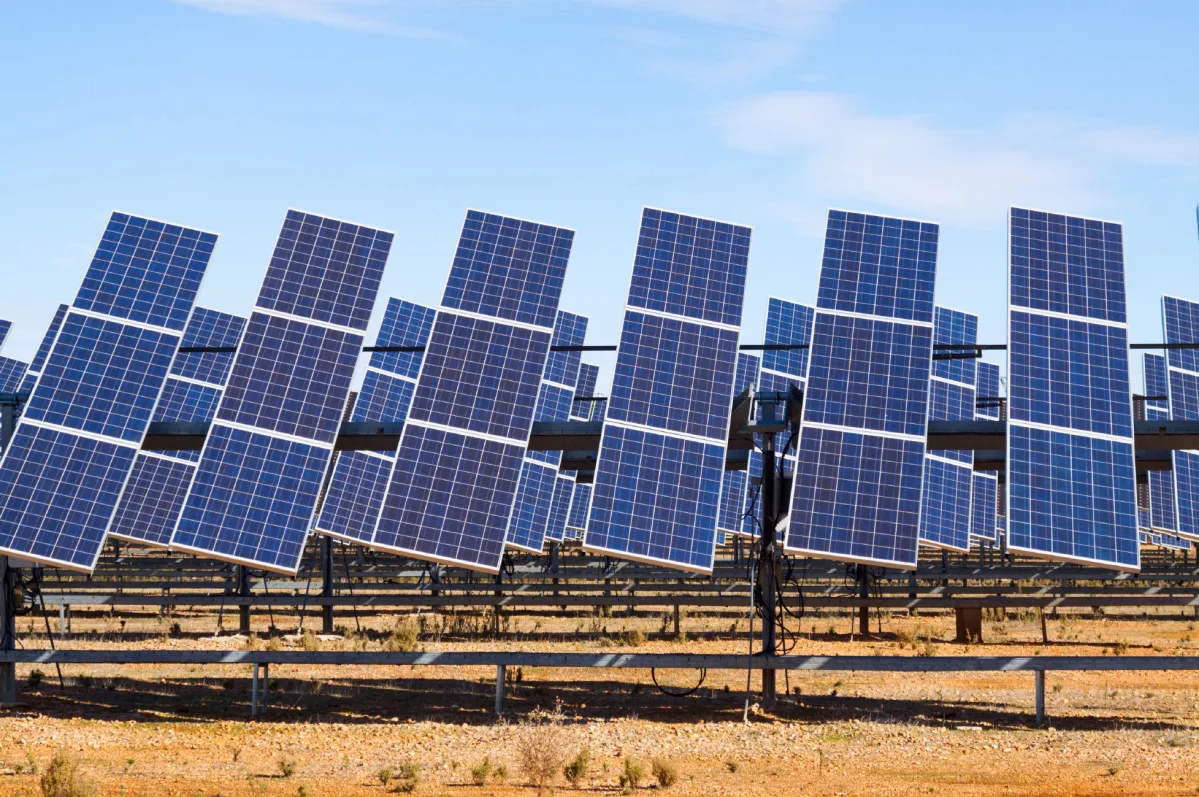
With over 1.6 million UK households now equipped with solar panels following a surge in installations in recent years, many owners are enjoying lower energy bills and even earning money by exporting surplus electricity back to the grid. However, this green energy boom has brought an unexpected challenge: tax compliance. Income from schemes like the Smart Export Guarantee (SEG) and legacy Feed-in Tariff (FiT) payments can trigger HMRC reporting requirements, leading to potential HMRC solar panel fines if deadlines are missed.
As the January self-assessment deadline approaches each year, experts warn that thousands of solar panel owners risk automatic £100 penalties for late filing, even if little or no tax is ultimately due. Understanding these rules is crucial for avoiding costly surprises while maximizing the benefits of your solar investment.
Why HMRC Solar Panel Fines Are Becoming More Common
Solar panels generate electricity for your home, reducing reliance on the grid. Any excess power can be sold back through the SEG (which replaced the FiT scheme for new installations after 2019). Typical annual earnings from SEG range from £300 upwards, depending on system size, location, and energy usage.
For most domestic setups, this income qualifies as tax-free under HMRC’s trading allowance of £1,000 per year. However, if you have other “side hustle” income such as freelancing, online sales, or rentals the combined total can exceed this threshold. When it does, you must register for self-assessment and declare the earnings.
Recent data highlights the scale of the issue: An estimated 600,000+ solar households may need to file returns due to supplementary income, with around 9% of taxpayers historically missing the 31 January online deadline. This leads to automatic HMRC solar panel fines of £100 for late submission a penalty that can erase a significant portion of your SEG earnings.
The rise in installations, combined with more people juggling multiple income sources, has turned what was once a straightforward benefit into a compliance minefield.
How Solar Panel Income Is Taxed in the UK
HMRC treats domestic microgeneration differently from commercial operations.
- For homeowners: If your solar system is installed at your primary residence and doesn’t significantly exceed your household’s electricity needs (generally interpreted as producing no more than 120% of your annual usage the so-called 20% rule), income from exported electricity is typically not taxable as trading income. This applies to both legacy FiT generation/export tariffs and current SEG payments. Small-scale domestic setups often fall under the £1,000 trading allowance, meaning no tax or declaration is required if you’re below the limit.
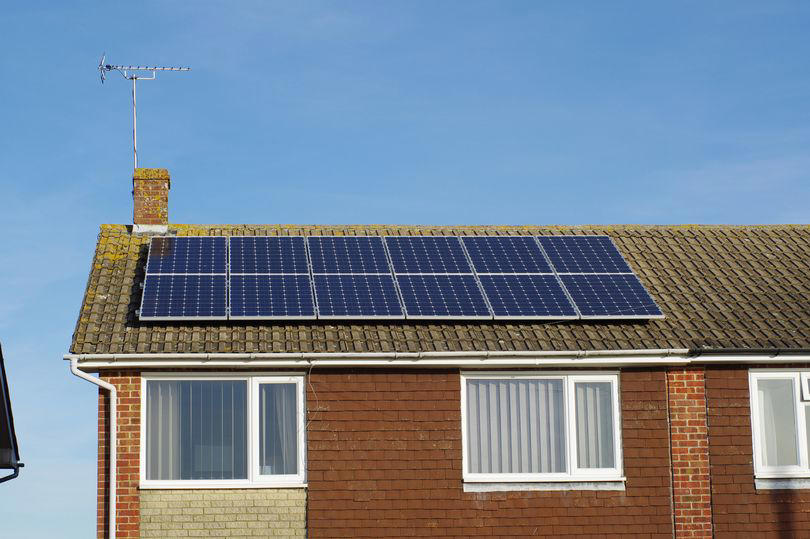
- The 20% rule explained: This guideline ensures the system is primarily for self-consumption rather than profit-making. If your panels generate substantially more than you use (over 20% excess), HMRC may view it as a business activity, potentially making income taxable. Most residential installations stay well within this limit, keeping things tax-efficient.
- When tax applies: Exceeding the £1,000 trading allowance (from SEG plus other miscellaneous income) requires a self-assessment tax return. Tax is then paid at your marginal rate on the excess.
Legacy FiT payments (for systems installed before 2019) followed similar principles: Domestic generation tariffs were often exempt, but export elements could be subject to scrutiny if deemed commercial.
VAT on solar installations is currently zero-rated for residential properties (until at least 2027 in many cases), providing upfront savingsv but export income itself is not subject to VAT for domestic users.
The Smart Export Guarantee (SEG) vs. Feed-in Tariff (FiT)
The FiT scheme, which ended for new applicants in 2019, provided fixed payments for both generating and exporting electricity often more generous than today’s SEG.
SEG, the current scheme, only pays for exported energy, with rates set by suppliers (typically 1p–15p per kWh). Payments are modest but reliable, and suppliers must offer tariffs to eligible systems (MCS-certified, up to 5MW).
Tax-wise, both fall under similar rules for domestic users: Usually tax-free below thresholds, but declarable if combined income pushes you over.
Common Triggers for HMRC Solar Panel Fines
The most frequent fines stem from late self-assessment filing, not necessarily unpaid tax.
- Late filing penalty: Automatic £100 if you miss the 31 January online deadline (even if no tax is owed).
- Additional penalties: Daily fines after three months, plus interest on late payments.
Other triggers include:
- Failing to notify HMRC of new income sources.
- Inaccuracies in returns.
- Undeclared side income combined with SEG/FiT.
HMRC can fine for a range of issues, from late VAT returns to underpaid taxes, with amounts varying by severity.
Here’s a quick overview of typical HMRC penalties:
| Penalty Type | Trigger | Typical Amount | Notes |
|---|---|---|---|
| Late Self-Assessment Filing | Missing 31 Jan online deadline | £100 initial (automatic) | Escalates if >3 months late |
| Late Payment | Not paying tax due | Interest + percentage-based | 2-4% in new regimes, plus daily charges |
| Failure to Notify | Not declaring new income | % of potential lost revenue | Up to 100% for deliberate errors |
| Inaccuracy | Errors leading to underpaid tax | % of tax unpaid (0-100%) | Reduced for disclosure |
What Happens If I Ignore an HMRC Penalty?
Ignoring penalties is risky. HMRC adds interest from the due date, and further non-compliance triggers escalating charges. After reminders, they may use debt collectors, deduct from wages/benefits, or pursue legal action (including bankruptcy in extreme cases). Prompt payment or appeal prevents escalation.
What Can HMRC Fine You For?
HMRC penalties cover non-compliance across taxes:
- Late filing or payment.
- Inaccurate returns.
- Failure to notify changes (e.g., new income).
- Offshore matters (higher rates).
Amounts depend on behavior (careless, deliberate) and disclosure. Voluntary disclosure often reduces penalties significantly.
How to Avoid HMRC Solar Panel Fines
- Review energy supplier statements for SEG/FiT earnings.
- Add up all miscellaneous income against the £1,000 allowance.
- Register for self-assessment if needed (via GOV.UK).
- File by 31 January set reminders.
- Keep records of usage vs. generation to support the 20% rule.
- Consult a tax advisor for complex cases.
FAQ: Common Questions About HMRC Solar Panel Fines
What happens if I ignore an HMRC penalty? .
Ignoring leads to added interest, escalating penalties, debt collection, and possible legal action like wage deductions or bankruptcy proceedings.
What is the 20% rule for solar panels?
It refers to HMRC’s guideline that domestic solar systems should not produce significantly more than 120% of your household’s electricity needs (i.e., no more than 20% excess) to qualify for tax exemptions on export income.
What can HMRC fine you for?
Common reasons include late tax returns, late payments, failing to declare income, inaccuracies in returns, or not notifying changes in tax liability.
How much are HMRC penalties?
They vary: £100 for initial late self-assessment filing; daily charges after delays; percentage-based for inaccuracies or late payments (e.g., 2-4% plus interest); up to 100% of tax due for deliberate errors.
Do I need to declare small SEG payments?
Usually not, if under £1,000 combined with other income and your system meets domestic criteria.
Can I appeal a penalty?
Yes, if you have a reasonable excuse (e.g., serious illness) or made an error. Appeal within 30 days via HMRC.
What if my system exceeds the 20% rule?
It may be treated as a business, making income taxable beyond allowances review generation data carefully.
Conclusion
Solar panels offer real financial and environmental rewards, but staying compliant with HMRC rules prevents unnecessary HMRC solar panel fines. Check your earnings, understand the 20% rule, and file on time if required. For peace of mind, visit the official GOV.UK self-assessment page or consult a professional. Act now your future savings depend on it.