





In the fast-paced world of digital marketing, where attention spans are shorter than ever, the right words can make all the difference. Imagine crafting a headline or email subject line that stops someone mid-scroll and compels them to click, read, or buy. That’s the power of trigger words those carefully chosen terms that tap into human emotions, desires, and instincts to drive action. But what are trigger words exactly? At their core, trigger words meaning revolves around phrases or terms that initiate a psychological or emotional response, prompting a specific behavior or reaction. Whether you’re building a brand, boosting conversions, or engaging an audience, understanding and using trigger words effectively can transform your marketing strategy. This article dives deep into the concept, exploring their origins, variations across contexts, and, most importantly, an ultimate list tailored for marketers. We’ll uncover why they matter in today’s competitive landscape, where personalized and persuasive content reigns supreme.
Trigger words aren’t a new invention; they’ve been influencing human behavior for decades, from advertising to storytelling. In marketing, they help cut through the noise, especially when 81% of consumers report feeling overwhelmed by ads. By leveraging these words, you can evoke curiosity, urgency, or trust, leading to higher engagement rates and better ROI. But misuse them—like overloading with spam trigger words—and you risk landing in junk folders or alienating your audience. Stick around as we break it down, including real-world examples and a comprehensive list to supercharge your campaigns.
What Are Trigger Words?
Before we get into the marketing specifics, let’s clarify the basics. What are trigger words? Simply put, they are words or phrases that spark an immediate emotional or cognitive response, often leading to a desired action. This could be anything from feeling excited about a “limited-time offer” to recalling a memory tied to a specific term. The trigger words meaning extends beyond marketing; it’s rooted in psychology, where certain words act as cues for conditioned responses.
In broader terms, trigger words can be positive or negative. Positive ones build excitement or trust, while negative ones might evoke fear or avoidance. For instance, in therapy or self-help contexts, trigger words refer to terms that recall past traumas. But in creative fields, they take on different roles, as we’ll explore next.
Trigger Words in Popular Culture
Trigger words have popped up in movies, books, and media, often as plot devices that control characters or reveal hidden depths. A classic example is the Winter Soldier trigger words from the Marvel Cinematic Universe. In “Captain America: Civil War,” Bucky Barnes, aka the Winter Soldier, is activated by a sequence: “Longing, rusted, seventeen, daybreak, furnace, nine, benign, homecoming, one, freight car.” These seemingly random words translated from Russian in the comics unlock his programmed assassin mode, turning him compliant and deadly. It’s a fascinating illustration of how trigger words can represent deep psychological conditioning, much like how marketers use words to “activate” consumer interest.
This concept isn’t just fiction; it draws from real hypnosis techniques where post-hypnotic suggestions use specific phrases to elicit responses. For marketers, the lesson is clear: the right sequence of words can unlock hidden desires, much like how “exclusive access” might compel a user to sign up for a newsletter.
Trigger Words in Language Learning
Shifting gears, trigger words play a key role in education, particularly in mastering languages like Spanish. Here, they act as cues for grammar rules, helping learners decide between tenses. Take preterite vs imperfect trigger words, for example. The preterite tense describes completed actions in the past, often signaled by specific time markers.
Common preterite trigger words include:
- Ayer (yesterday)
- Anoche (last night)
- Anteayer (the day before yesterday)
- El otro día (the other day)
- La semana pasada (last week)
These words pinpoint exact moments, like “Ayer comí pizza” (Yesterday I ate pizza). On the flip side, imperfect trigger words indicate ongoing or habitual actions, such as:
- Siempre (always)
- A menudo (often)
- Todos los días (every day)
- Casi nunca (almost never)
- De vez en cuando (from time to time)
For instance, “Siempre jugaba al fútbol” (I always used to play soccer). Understanding preterite vs imperfect trigger words is crucial for fluency, as they guide when to use each tense without overthinking.
Why mention this in a marketing article? Because language precision matters in copywriting. Just as these triggers help structure sentences, marketing trigger words structure persuasion knowing when to use “now” ( urgency, like preterite for quick actions) versus “always” (reliability, like imperfect for ongoing benefits).
Trigger Words in ASMR and Relaxation
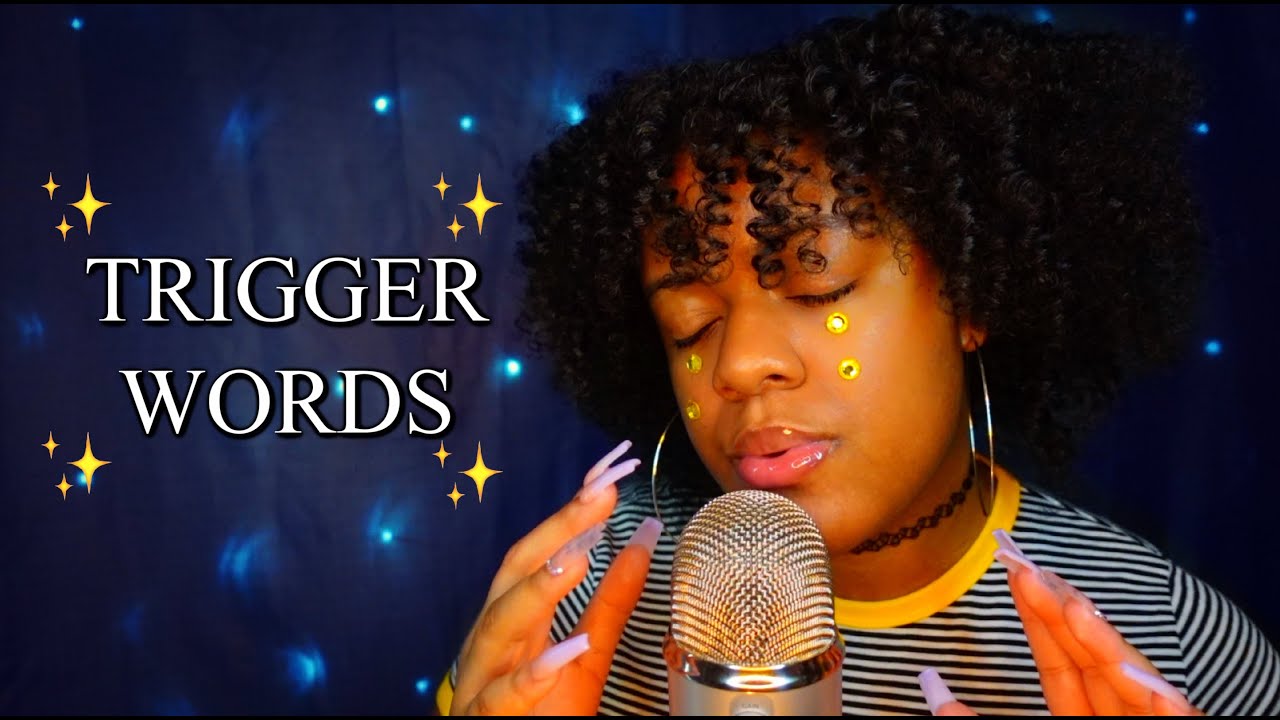
In the realm of sensory experiences, ASMR trigger words are all about evoking tingles and calm. ASMR (Autonomous Sensory Meridian Response) videos often feature whispered words like “wiggle,” “stipple,” “skittle,” “pluck,” or “toasted coconut” to create relaxing sensations. These aren’t random; they’re chosen for their phonetic qualities soft consonants and repetitive sounds that mimic gentle touches.
Popular ASMR trigger words include:
- Blissful
- Flush
- Delightful
- Energize
- Jubilant Marketers can borrow from this by using soothing words in wellness campaigns, like “relax” or “unwind” in spa ads, to create an emotional bond. It’s a subtle way to build trust and loyalty, turning passive viewers into engaged customers.
Trigger Words in Email Marketing: Avoiding Spam
Not all trigger words are beneficial. In email marketing, spam trigger words can doom your campaigns to the junk folder. Words like “free,” “guarantee,” “urgent,” “act now,” or “limited offer” flag filters because they’re overused in scams. A study shows that phrases implying quick riches, such as “earn cash” or “make money fast,” increase spam risks by up to 50%.
To avoid this, balance persuasive language with authenticity. Use tools like spam checkers to scan your content, and focus on value-driven words instead. For example, swap “free trial” with “try it risk-free” to maintain impact without triggering alarms.
Emotional Trigger Words: Focusing on Arousal
Emotional triggers are potent in marketing, and among them, 7 arousal trigger words stand out for sparking desire or excitement. Based on psychological insights, these include:
- Allure
- Arouse
- Entice
- Fascinate
- Lust
- Irresistible
- Compelling These words tap into human drives, often used in dating apps or luxury ads to build anticipation. In broader marketing, they can describe products like “irresistible deals” to heighten emotional engagement. Remember, context is key; overuse can seem manipulative.
The Power of Trigger Words in Marketing
Now, let’s zero in on why trigger words are a marketer’s secret weapon. They leverage psychological principles like scarcity, social proof, and reciprocity to influence decisions. Research from WordStream shows that emotional words can boost click-through rates by 20%. In headlines, emails, or social posts, they create an emotional hook that rational arguments alone can’t match.
Effective use starts with knowing your audience. For B2B, words evoking trust like “proven” or “reliable” work best. For e-commerce, urgency triggers like “now” or “limited” drive sales.
Categories of Marketing Trigger Words
To make this practical, here’s the ultimate list, categorized for easy reference. I’ve compiled over 200 from top sources, focusing on those proven to convert.
| Category | Examples | Why They Work | Best Use Cases |
|---|---|---|---|
| Urgency | Now, Instant, Hurry, Limited, Deadline | Creates FOMO (fear of missing out), prompting quick action | Flash sales, email subject lines |
| Exclusivity | Secret, Exclusive, VIP, Members Only, Invitation | Makes users feel special, boosting loyalty | Membership sites, premium offers |
| Trust & Safety | Guaranteed, Proven, Trusted, Safe, Risk-Free | Builds credibility, reduces hesitation | Testimonials, guarantees |
| Greed & Value | Free, Save, Bargain, Discount, Bonus | Appeals to desire for more at less cost | Promotions, upsells |
| Curiosity | Discover, Reveal, Hidden, Unveil, Mystery | Sparks interest, encouraging clicks | Blog headlines, teasers |
| Authority | Expert, Ultimate, Pro, Master, Elite | Positions your brand as a leader | Webinars, guides |
| Emotional | Inspire, Empower, Transform, Breakthrough, Epic | Evokes passion or aspiration | Motivational content, storytelling |
| Scarcity | Last Chance, Only a Few Left, Sold Out Soon | Amplifies perceived value through rarity | Limited-stock alerts |
How to Use Trigger Words Effectively
Incorporating trigger words isn’t about stuffing them in; it’s about strategy. Start with your headline: “Unlock the Secret to Boosting Sales Now” combines curiosity, value, and urgency. In body copy, weave them naturally e.g., “Discover how our proven methods can transform your business.”
Link to internal pages for deeper dives, like your blog on email marketing best practices, or external resources such as HubSpot’s guide on content strategy. Avoid overkill; aim for 1-2 per sentence to maintain readability. Track metrics like open rates or conversions to refine your approach.
Case in point: ActiveCampaign saw a 15% lift in clicks by using words like “limited” in CTAs. Deep insight: Combine with storytelling for maximum impact, as narratives amplify emotional triggers.
FAQ
What are trigger words in marketing?
Trigger words are phrases that evoke emotions or prompt actions, like “free” or “exclusive,” to engage audiences and drive conversions.
How do Winter Soldier trigger words relate to real psychology?
The Winter Soldier trigger words demonstrate hypnotic conditioning, similar to how marketers use words to influence subconscious decisions.
What are some common imperfect trigger words in Spanish?
Imperfect trigger words include “siempre” (always) and “a menudo” (often), signaling habitual past actions.
Can ASMR trigger words be used in ads?
Yes, ASMR trigger words like “whisper” or “tingle” can create relaxing associations in wellness or audio ads.
What spam trigger words should I avoid in emails?
Avoid words like “urgent,” “free,” or “guarantee” to prevent filters from marking your emails as spam.
Are there specific 7 arousal trigger words for persuasion?
Common ones include “allure,” “entice,” “fascinate,” and “irresistible,” which spark desire in marketing copy.
How do preterite vs imperfect trigger words help in language?
They cue tense choice: preterite for completed actions (e.g., “ayer”), imperfect for ongoing (e.g., “siempre”).
Conclusion
Trigger words are more than buzzwords they’re tools for connecting on a human level, from the Winter Soldier’s activation sequence to everyday marketing magic. We’ve covered their meanings, contexts like ASMR and grammar, pitfalls like spam triggers, and a robust list with categories to elevate your strategy. Remember, the key is authenticity: use them to add value, not manipulate.