





In the competitive world of UK retail, supermarkets operate on razor-thin margins, often between 2% and 4%. Any additional cost can ripple through the entire supply chain, affecting everything from stocking shelves to checkout prices. The uk supermarket business rates impact has become a hot topic, especially following the Autumn Budget 2025, where changes to business rates introduced new pressures on the sector. These rates, essentially a property tax on commercial spaces, have been a longstanding burden, but recent hikes threaten to squeeze profits further and potentially drive up costs for consumers. Understanding this dynamic is crucial because it doesn’t just hit supermarket balance sheets it influences everyday household budgets amid ongoing economic challenges like inflation and post-Brexit adjustments. In this article, we’ll dive into how these tax changes are reshaping the industry, backed by recent developments and expert insights.
What Are Business Rates in the UK?
Business rates in the UK are a form of local taxation levied on non-domestic properties, including shops, offices, warehouses, and factories. They function similarly to council tax but for commercial entities, contributing to local authority funding for services like roads and waste management. The amount a business pays is based on the property’s rateable value, an estimate of its open-market rental value set by the Valuation Office Agency (VOA) every few years. For supermarkets, which often occupy large, high-value sites, this can translate to millions in annual payments.
The system aims to ensure fair contributions from businesses, but critics argue it’s outdated and disproportionately affects physical retailers compared to online giants. Rateable values are reassessed periodically the next revaluation is due in 2026 and multipliers (set by the government) determine the final bill. Reliefs exist for smaller businesses, but major chains rarely qualify fully. In essence, business rates are a fixed cost that doesn’t fluctuate with revenue, making them particularly painful during economic downturns when sales dip but taxes remain steady.
The Introduction of the Business Rates Surtax
One of the most contentious recent changes is the business rates surtax, introduced in the Autumn Budget 2025. This surcharge applies to larger commercial properties valued at £500,000 or more, directly targeting big retailers like supermarkets. The government positioned it as a way to redistribute the tax burden, but industry leaders see it as an additional layer of cost in an already strained environment.
The surtax was confirmed despite lobbying from retailers, who argued it would exacerbate existing pressures. For context, business rates already account for a significant portion of operational expenses up to 10% for some chains. The new measure could add tens of millions to the bills of major players. Tesco, for instance, was estimated to face an extra £100 million annually before the final details were adjusted, though the budget offered some mitigation through a permanent 40% relief on retail properties. Still, the net effect is a higher tax load, prompting warnings that these costs will inevitably be passed on.
UK Supermarkets Face a Tax Hike Possibly Raising Food Prices
As uk supermarkets face a tax hike possibly raising food prices, the sector has been vocal about the risks. In October 2025, bosses from Tesco, Sainsbury’s, Asda, and Morrisons penned a joint letter to Chancellor Rachel Reeves, highlighting how the proposed surtax would add to a “disproportionate tax burden.” They emphasized that supermarkets, already grappling with rising energy costs and wage increases, might have no choice but to adjust prices upward.
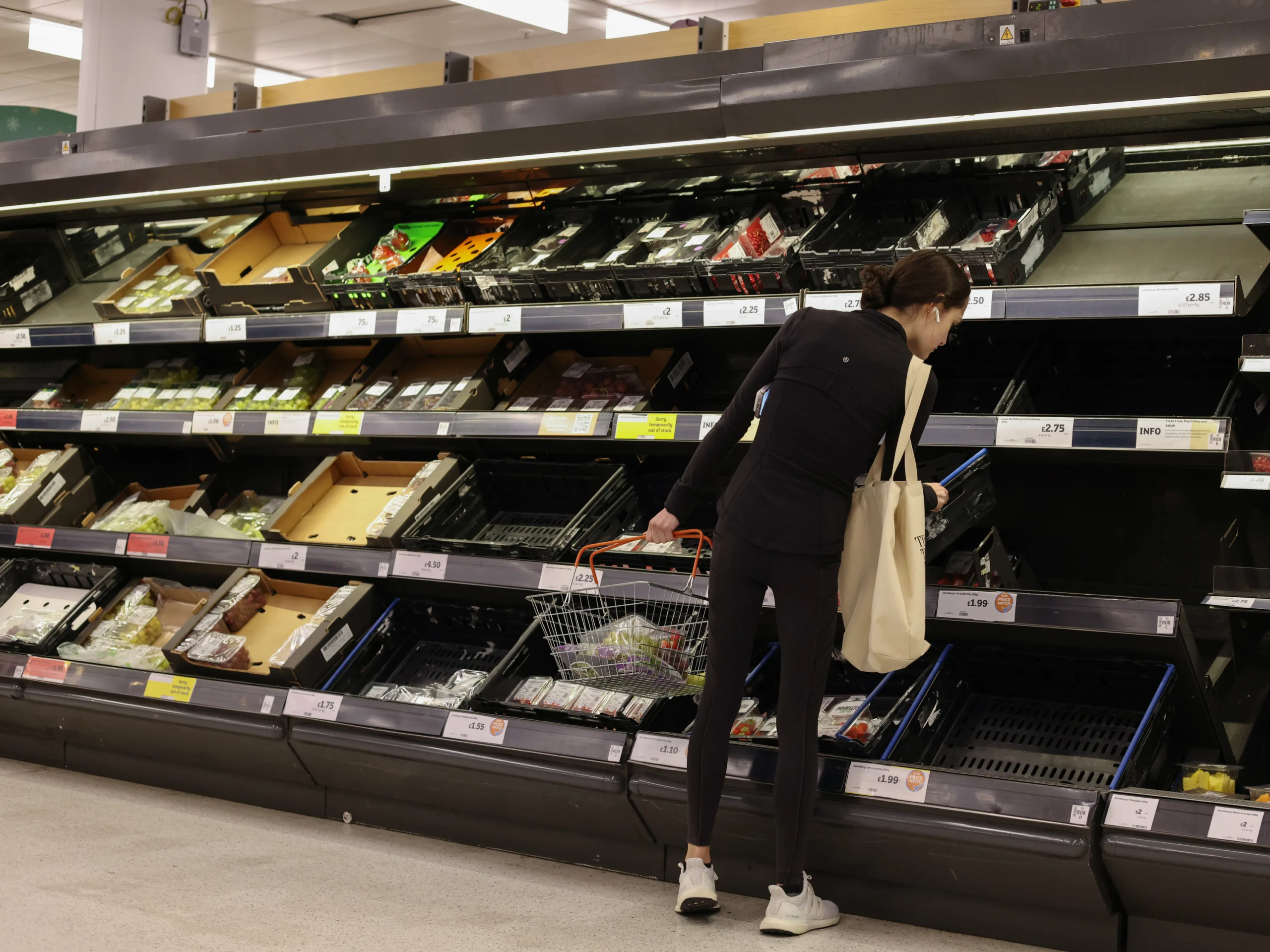
This isn’t mere speculation. Historical data shows that when fixed costs rise, retailers often offset them through price adjustments or reduced promotions. For example, following similar tax pressures in previous years, food inflation spiked. The 2025 budget’s changes, including the surtax, are projected to increase overall retail costs by £7 billion industry-wide, with supermarkets bearing a large share. Consumers, still recovering from post-pandemic inflation peaks, could see staples like bread and milk become pricier, undermining efforts to stabilize household budgets.
Impact on UK Supermarket Profits
The uk supermarket profits are under direct threat from these developments. Major chains reported mixed results in 2025, with Tesco forecasting profits at the upper end of £2.9-3.1 billion for fiscal 2026, buoyed by a 3.2% sales rise over Christmas. However, persistent cost pressures, including the business rates surtax, could erode these gains.
Profit margins in the sector are notoriously low often around 3% leaving little room for error. A tax hike means less money for reinvestment in stores, technology, or competitive pricing. Sainsbury’s CEO Simon Roberts warned that the budget’s tax measures could fuel further inflation, directly impacting profitability. Analysts predict that without offsets, profits could dip by 5-10% for affected chains in 2026. This is compounded by cyber threats and inflation, as seen in Bloomberg’s outlook for grocers recovering post-2025 challenges.
To illustrate, here’s a table comparing estimated annual business rates impacts and recent profit figures for major UK supermarkets (based on 2025 data and budget projections):
| Supermarket | Estimated Additional Surtax Cost (2026, £m) | 2025 Pre-Tax Profits (£m) | Profit Margin (%) | Potential Price Impact |
|---|---|---|---|---|
| Tesco | 80-100 | 2,900-3,100 | 3.5 | +2-3% on select items |
| Sainsbury’s | 30-40 | 1,200 | 2.8 | +1-2% overall |
| Asda | 20-30 | 800 | 2.5 | Targeted hikes on non-essentials |
| Morrisons | 15-25 | 700 | 2.4 | +1.5% on groceries |
| Aldi/Lidl (combined) | 10-20 | 1,500 | 3.0 | Minimal, due to efficiency |
Supermarket Price Inflation in the UK
Supermarket price inflation uk has been a persistent issue, with food prices rising 4.2% year-on-year in November 2025. This moderated from earlier peaks but remains elevated, driven partly by tax and supply chain costs. December 2025 saw shop price inflation at 0.7%, with food contributing 3.3%. Tax rises could push food prices higher, warn supermarkets, as they absorb or pass on these burdens.
The British Retail Consortium (BRC) forecasts food inflation could hover above 5% into 2026 if costs aren’t mitigated. This ties into broader economic factors, where fixed taxes like business rates amplify inflationary pressures, forcing supermarkets to balance competitiveness with viability.
Major UK Supermarkets Warn of Higher Food Prices Due to Proposed Tax Hikes
Echoing this, major uk supermarkets warn of higher food prices due to proposed tax hikes. In joint statements, executives from leading chains stressed that the surtax risks prolonging high food costs for families. Do UK supermarkets warn new business taxes could increase food prices? Absolutely it’s a unified message from the industry, highlighting how taxes compound other issues like labor shortages and energy bills.
UK Tax Going Up and Its Effect on Food Prices in the UK
With uk tax going up, particularly through the budget’s measures, food prices in uk are under renewed threat. The ONS reported fresh food prices up 3.8% in December 2025, and ambient items like canned goods following suit. These increases stem from a mix of global factors and domestic policies, but the surtax adds a local layer that’s hard to ignore.
How Has Brexit Affected UK Supermarkets?
Brexit has amplified these challenges. Post-2021, supermarkets faced higher import costs, supply disruptions, and labor shortages from reduced EU migration. Food bills rose by about a third due to trade barriers, costing households £7 billion since 2019. New border checks in 2024 further increased prices and reduced assortment, with some stores stocking 78% more to buffer shortages. Combined with business rates, Brexit has made the UK market tougher for supermarkets, squeezing profits and pushing prices higher.
How Does the UK Budget Affect Businesses?
How does the UK budget affect businesses? The 2025 edition raised £26 billion in taxes, including NI hikes and the surtax, increasing operational costs across sectors. For supermarkets, it means higher payroll and property taxes, potentially stifling growth. While some reliefs were offered, the overall impact is a tighter fiscal environment, encouraging businesses to seek efficiencies or pass costs to consumers.
FAQ
What do business rates mean in the UK?
Business rates are a tax on non-domestic properties, calculated based on rateable value and used to fund local services.
Do UK supermarkets warn new business taxes could increase food prices?
Yes, major chains have repeatedly warned that tax hikes like the surtax could lead to higher food prices to offset costs.
How does the UK budget affect businesses?
Budgets introduce tax changes, like NI increases and surtaxes, raising costs and influencing investment decisions.
How has Brexit affected UK supermarkets?
Brexit has caused supply chain issues, higher import costs, and labor shortages, contributing to elevated food prices.
What is the business rates surtax and its impact on supermarkets?
It’s a surcharge on high-value properties, adding millions to supermarket bills and potentially driving price inflation.
How might uk supermarket profits change in 2026?
Profits could face a 5-10% hit from tax hikes, though strong sales might mitigate some effects for top performers.
Why is supermarket price inflation uk rising?
A combination of tax pressures, supply costs, and economic factors like inflation are key drivers.
Conclusion
The uk supermarket business rates impact is profound, tightening profit margins and risking higher food prices amid warnings from industry leaders. From the surtax to Brexit’s lingering effects, these pressures highlight the need for balanced policy. As consumers, staying informed helps navigate these changes—consider checking local supermarket deals or supporting calls for tax reform. For more on UK retail trends, visit the British Retail Consortium’s site [internal link: brc.org.uk] or explore government budget details at gov.uk.