





In today’s competitive talent market, employees expect more than just a paycheck they demand fair treatment, equal opportunities, and an inclusive environment where everyone can thrive. Yet many organizations still struggle with hidden biases in pay, promotions, hiring, and culture that quietly undermine those goals. A workplace equity audit provides a structured, data-driven way to uncover these issues and fix them before they damage retention, reputation, or the bottom line.
With pay transparency laws expanding across the U.S. and Europe in 2024-2025, and 38% of organizations skipping pay equity analyses entirely last year, companies that ignore these gaps face real risks. Forward-thinking employers use workplace equity audits to turn DEI commitments into measurable reality. This comprehensive guide explains what is a workplace equity audit, why it has become essential, and exactly how to conduct an equity audit with practical tools you can implement immediately.
What Is a Workplace Equity Audit?
A workplace equity audit is a systematic review of your organization’s policies, practices, and outcomes to identify and eliminate disparities based on gender, race, ethnicity, age, disability, LGBTQIA+ status, caregiver status, or other protected characteristics.
Unlike a narrow pay equity audit (more on that below), a full workplace equity audit examines the entire employee lifecycle: hiring, onboarding, performance management, promotions, compensation, engagement, and attrition.
Leading frameworks, such as those from Culture Amp and Syndio, treat it as a benchmarking tool that compares outcomes across demographic groups and reveals where systemic barriers exist even when individual intentions are good.
What Is a Pay Equity Audit?
A pay equity audit is a focused subset of the broader workplace equity audit. It specifically analyzes compensation data to ensure employees performing similar work receive comparable pay, after controlling for legitimate factors like experience, performance, and location. According to AIHR, 2024 data, 75% of organizations now conduct some form of pay equity review, but nearly half do so only every few years leaving significant gaps unaddressed.
What Is an Equity Audit? (Broader Context)
In education and non-profits, an equity audit often focuses on student or program outcomes. In corporate settings, it has evolved into the workplace equity audit we discuss here a holistic examination that includes but extends far beyond pay.
Why Workplace Equity Audits Matter in 2025 and Beyond
The business case is stronger than ever.
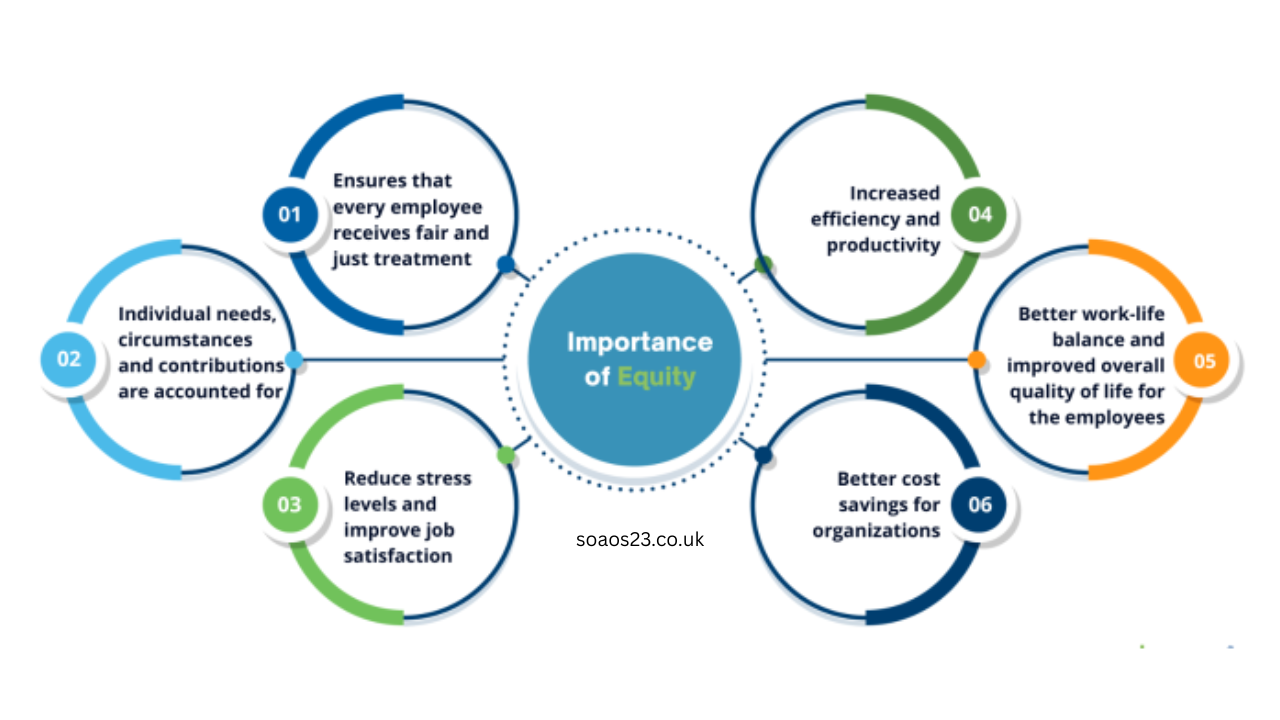
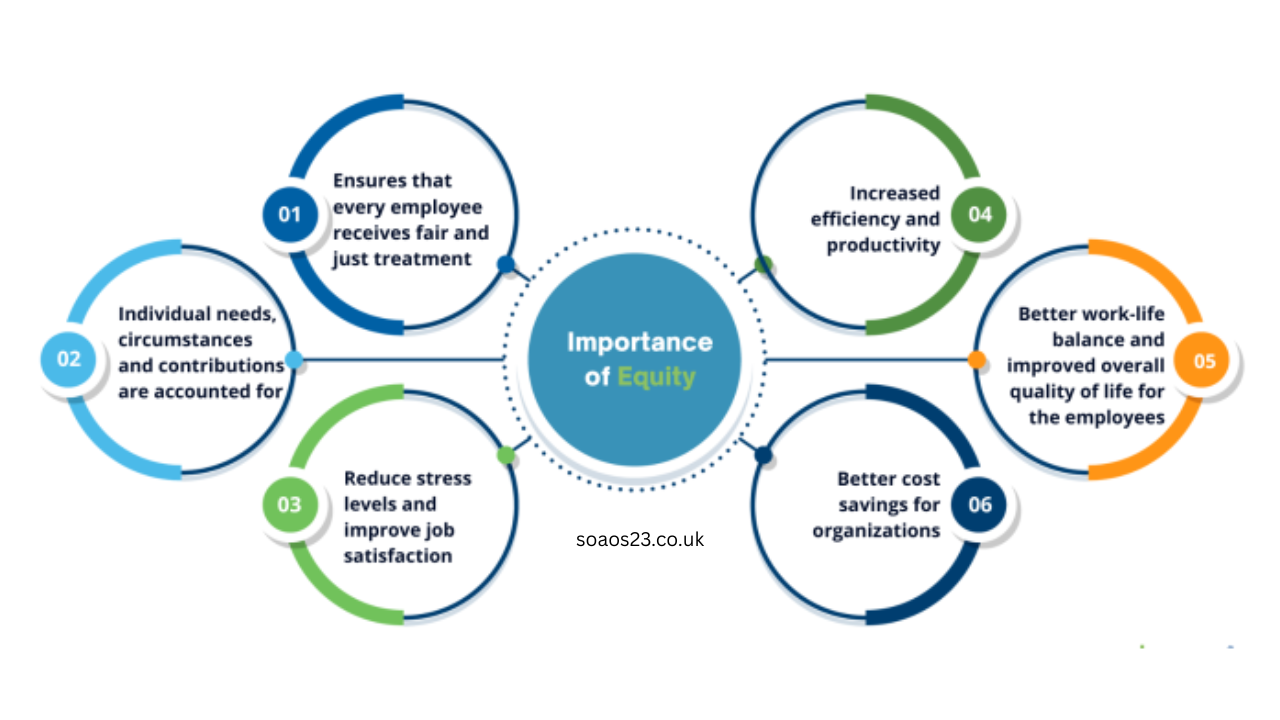
Companies with strong equity practices enjoy:
- 22% higher retention among underrepresented groups
- Higher employee engagement scores
- Better innovation outcomes (McKinsey 2023-2025 reports continue showing diverse teams outperform peers)
Culture Amp’s internal audits reduced unexplained pay gaps to 4.7% (effectively zero after controls) the lowest among peer tech companies. Organizations conducting regular performance and pay equity audits report significantly fewer employee concerns year-over-year.
Conversely, companies that skip audits face mounting risks:
- Only 43% of organizations audit performance ratings for bias
- Just 29% do so every cycle (Culture Amp 2025 data)
Legal pressure is increasing too. New pay transparency laws in states like California, New York, Illinois, and the EU Pay Transparency Directive make unexplained gaps visible during recruitment.
What Is the Purpose of a Workplace Audit?
At its core, the purpose of a workplace audit (whether equity-focused or general) is to assess whether policies and practices operate as intended and deliver fair outcomes. A workplace equity audit specifically asks: “Are we creating equitable experiences and outcomes for all identity groups?” It moves organizations from performative DEI statements to evidence-based action.
Common Types of Workplace Equity Audits
While audits can be customized, most organizations focus on these four core types:
| Type | Focus Area | Key Metrics Examined | Typical Frequency |
|---|---|---|---|
| Pay Equity Audit | Compensation fairness | Unexplained pay gaps after controlling for role, experience, performance | Annual or bi-annual |
| Performance Equity Audit | Ratings, feedback, calibration fairness | Distribution of high/low ratings by demographic group | Every performance cycle |
| Promotion & Career Flow Audit | Advancement opportunities | Promotion rates, time-to-promotion, access to high-visibility projects | Annual |
| Representation & Attrition Audit | Hiring, retention, belonging | Representation by level, voluntary attrition rates, engagement scores by group | Annual |
How to Conduct an Equity Audit: Step-by-Step Guide
Here is a proven 8-step process distilled from Culture Amp, Syndio, AIHR, and Aquent methodologies.
- Secure Leadership Commitment Start at the top. Without executive sponsorship, audits lose impact. Present the business case (retention, risk mitigation, talent attraction) and secure budget for external partners if needed.
- Define Scope and Team Decide whether to start with pay equity or go full-scope. Assemble a cross-functional team: HR, legal, finance, DEI lead, and ideally an external auditor for objectivity.
- Collect and Clean Data Gather compensation, performance ratings, promotion history, demographic data (self-ID), engagement survey results, hiring funnel data, and attrition details. Use software (Syndio, Culture Amp, Workday, etc.) to automate and reduce errors.
- Group Employees into Comparable Cohorts Create “similarly situated employee groups” based on role, level, department, location, and performance band.
- Run Statistical Analyses Perform regression analysis for pay; analyze representation, promotion rates, performance score distribution, attrition, and engagement by demographic. Use thresholds (e.g., Cohen’s H or 4/5ths rule) to flag meaningful disparities.
- Investigate Root Causes Where gaps appear, dig deeper: Is it starting salaries? Performance rating bias? Lack of sponsorship? Unequal access to stretch assignments?
- Develop and Execute Remediation Plan Make pay adjustments, revise performance calibration processes, implement sponsorship programs, redesign hiring rubrics, etc. Prioritize by impact and risk.
- Communicate Transparently and Monitor Progress Share high-level findings and actions taken with employees. Schedule recurring audits and track metrics quarterly.
Many organizations run audit workshops half-day sessions where managers review their team’s data in real-time with bias training and live coaching. This Culture Amp practice has proven highly effective at reducing disparities during calibration.
Workplace Equity Audit Checklist
Use this practical checklist (adapted from AIHR, Culture Amp, and Syndio frameworks):
| Phase | Key Actions |
|---|---|
| Preparation | Secure executive sponsor Define scope Form audit team Identify external partner if needed Communicate intent to employees |
| Data Collection | Compensation (base, bonus, equity) Performance ratings Promotion history Demographics (self-ID) Hiring funnel data Engagement survey results |
| Analysis | Pay regression analysis Performance distribution Promotion rate analysis Representation by level Attrition by group Engagement score gaps |
| Root Cause Investigation | Manager interviews/focus groups Policy review Calibration session observation Exit interview themes |
| Action Planning | Pay adjustments Process redesign Training programs Sponsorship initiatives Revised hiring rubrics |
| Communication & Monitoring | Town hall / report out Dashboard creation Quarterly metric tracking Next audit scheduled |
Workplace Equity Audit Template Example
Here is a real-world simplified example from a 500-person tech company that conducted its first full audit in 2024:
- Finding: Women received 18% fewer promotions to senior IC roles than men with similar performance scores and tenure.
- Root Cause: High-visibility projects were disproportionately assigned through informal “tap on shoulder” rather than open application.
- Action: Implemented quarterly project marketplace where all eligible employees can apply; promotion rate gap closed to 3% within 18 months.
Another example: A retail company discovered Black employees had 2.3× higher involuntary attrition in stores. Investigation revealed inconsistent application of performance improvement plans. They standardized the process with rubrics and coaching voluntary and involuntary attrition equalized within a year.
You can download free workplace equity audit templates and checklists from AIHR (pay-focused) or HiBob, or use Syndio/Culture Amp platforms for automated versions.
How to Measure Equity in the Workplace
The best organizations track these eight metrics (Syndio framework):
- Representation by level/department
- Hiring funnel conversion rates by demographic
- Performance rating distribution
- Promotion rates and time-to-promotion
- Pay gaps (controlled and uncontrolled)
- Engagement/sense of belonging scores
- Voluntary attrition rates
- Access to sponsorship/mentorship
Track all metrics by gender, race/ethnicity, and their intersections. Meaningful change usually appears within 12–24 months when actions are targeted and leadership is accountable.
Frequently Asked Questions
What is an equity audit?
An equity audit is a comprehensive, data-driven examination of policies, practices, and outcomes to identify and eliminate systemic barriers affecting marginalized groups. In workplace contexts, it is often called a workplace equity audit.
What is a pay equity audit?
A pay equity audit is a statistical analysis of compensation to ensure employees performing substantially similar work receive comparable pay, regardless of gender, race, or other protected characteristics.
What is the purpose of a workplace audit?
To verify that policies work systems operate fairly and effectively. A workplace equity audit specifically ensures equitable outcomes across identity groups.
What are the 4 types of audit?
In general auditing, the four main types are financial, compliance, operational, and information systems audits. In the workplace equity context, organizations typically focus on four core types: Pay Equity, Performance, Promotion & Career Flow, and Representation & Attrition audits.
How to measure equity in the workplace?
Measure through representation analysis, pay equity regression, promotion rate gaps, performance rating distribution, engagement scores by demographic, and attrition analysis. Track trends over time and against internal benchmarks.
Do equity audits really work?
Yes, when done properly. Culture Amp reduced pay equity concerns year-over-year through regular audits. Companies like Goldman Sachs, Chevron, and Amazon published racial equity audit findings and showed measurable progress in representation and policy changes.
Should we hire an external firm?
For the first audit or when racial equity is in scope, external auditors bring objectivity and legal privilege protection (in the U.S.). Many organizations start internally for pay equity, then bring in experts for broader reviews.
Conclusion: Start Your Workplace Equity Audit Today
A workplace equity audit is no longer optional it’s table stakes for organizations that want to attract top talent, innovate faster, and avoid costly legal and reputational risks in 2025 and beyond.
The companies seeing the biggest gains aren’t waiting for a crisis or shareholder proposal. They treat equity as a performance metric and audit it with the same rigor as financials.