








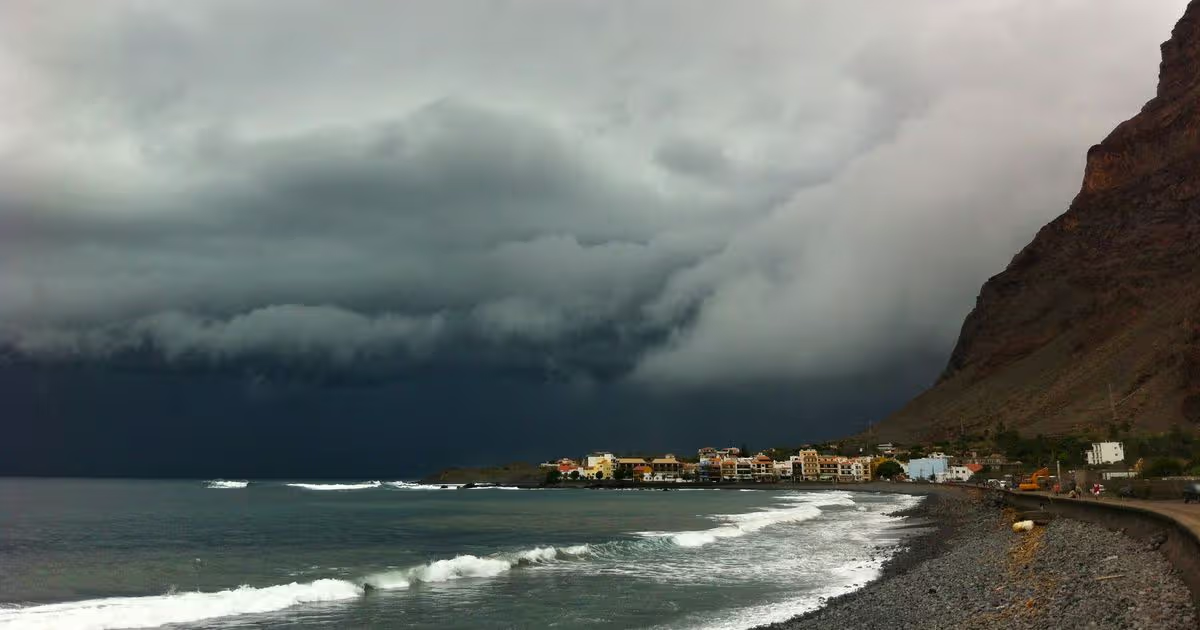
The Canary Islands have long been a favourite winter escape for millions of European tourists seeking mild temperatures, volcanic landscapes, and Atlantic beaches. However, the archipelago is no stranger to sudden weather shifts. In late March 2026, Canary Islands weather warning alerts have been active across multiple islands due to Storm Therese, bringing heavy rain, strong winds, and localised flooding risks. Orange and yellow warnings from Spain’s meteorological agency AEMET have affected Tenerife, Gran Canaria, Lanzarote, and others, prompting questions about travel safety.
Understanding current Canary Islands weather warning today and Canary Islands weather warning tomorrow is crucial for anyone planning or already on the islands. These alerts are not just formalities they signal real risks to life, property, and travel plans. At the same time, the islands’ famous calima (Saharan dust events) can compound issues with reduced visibility and health concerns. This guide explains the latest warnings, what they mean for tourists, how to stay safe, and practical steps for travellers.
Current Canary Islands Weather Situation (March 2026)
As of March 25–26, 2026, Storm Therese continues to influence the region. AEMET has issued:
- Orange warnings (significant danger) for heavy rain on Tenerife, Lanzarote, El Hierro, and parts of other islands. Up to 120mm of rain in 24 hours is possible in some areas, with thunderstorms and gusty winds.
- Yellow warnings (be prepared) for rain, wind, and coastal hazards on Gran Canaria, Fuerteventura, La Palma, and La Gomera.
The storm has already caused flash flooding, road disruptions, flight cancellations (over 40 at Tenerife airports in recent days), and emergency service deployments. Alerts are expected to remain in place into Wednesday, with possible extensions depending on how the system evolves.
Canary Islands weather warning today live updates are best tracked via official sources: AEMET (aemet.es), the Canary Islands Government emergency portal, or the UK Met Office for English-language summaries.
Understanding Weather Warning Levels in the Canary Islands
Spain’s AEMET uses a colour-coded system similar to the UK Met Office:
- Green: No warning – normal conditions.
- Yellow: Be aware – possible disruption but not widespread danger.
- Orange: Significant danger – potential impact on life and property; take precautions.
- Red: Extreme danger – avoid non-essential activity; follow official instructions.
For Storm Therese, orange alerts indicate a “significant risk to life” in affected areas, particularly from flooding in ravines (barrancos), landslides on mountainous terrain, and strong coastal waves. Tourists should treat orange warnings seriously and avoid exposed areas.
The Role of Calima in Canary Islands Weather Warnings
Canary Islands weather warning calima events often occur alongside or separately from storms. Calima involves hot, dry Saharan air carrying fine dust particles, reducing visibility and affecting air quality.
- Health impact: People with respiratory conditions (asthma, COPD) may experience worsened symptoms. Healthy individuals can feel irritation in eyes and throat.
- Visibility: Can drop to 3–5 km or less, affecting driving and outdoor activities.
- Temperature: Often brings unusually high temperatures (up to 28–30°C in winter/spring).
Recent calima episodes have coincided with heatwaves or followed stormy periods. When combined with rain warnings, the result can be muddy, dusty conditions that complicate travel.
Canary Islands weather warning today Met Office briefings often note calima risks alongside Atlantic systems, helping UK travellers prepare.
Is It Safe to Travel to the Canary Islands Right Now?
Safety depends on your specific island, itinerary, and flexibility:
- High-risk activities to avoid during warnings: Hiking in mountainous or ravine areas, beach visits during high waves, driving on secondary roads during heavy rain, and non-essential outdoor excursions.
- Flight and ferry disruptions: Expect possible delays or cancellations, especially at Tenerife North and South airports. Check with your airline frequently.
- Accommodation and insurance: Ensure your policy covers weather-related disruptions. Many hotels remain open and provide updates, but some coastal or low-lying properties may face access issues.
- Positive side: Many areas, particularly southern tourist zones on Tenerife and Gran Canaria, often experience less severe impacts than northern or mountainous regions.
The UK Foreign, Commonwealth & Development Office (FCDO) currently has no “against travel” advice for the Canary Islands. It recommends monitoring local warnings, following emergency services, and preparing for extreme weather. Similar guidance comes from other governments.
For most tourists staying in well-developed resort areas and following official advice, the islands remain accessible. However, those with mobility issues, respiratory conditions, or tight schedules should consider flexibility or postponement if orange warnings persist.
Practical Tips for Travellers During Canary Islands Weather Warnings
- Stay Informed — Download the AEMET app or bookmark aemet.es. Follow local government emergency accounts on social media.
- Monitor Transport — Check flight status via airline apps. Have alternative plans for ferries or inter-island travel.
- Pack Appropriately — Include waterproof layers, sturdy shoes, and any necessary medications. A portable power bank is useful during potential outages.
- Avoid Risky Areas — Steer clear of barrancos (ravines) during heavy rain due to sudden flash flooding.
- Health Precautions for Calima — Stay indoors during peak dust, use air purifiers if available, and wear masks outdoors if sensitive.
- Contact Support — Keep tour operator or hotel emergency numbers handy. Travel insurance claims require evidence of following official advice.
Canary Islands weather warning tourists advice consistently stresses “maximum caution” and avoiding unnecessary travel during orange alerts.
Table: Recent and Current Weather Warnings Across Canary Islands (March 2026)
| Island | Warning Level (Rain/Wind) | Main Risks | Duration (as of 25 Mar) | Advice for Tourists |
|---|---|---|---|---|
| Tenerife | Orange | Heavy rain, flooding, gusts | Until Wed 26 Mar | Avoid mountains/ravines, monitor flights |
| Gran Canaria | Yellow/Orange (parts) | Rain, coastal hazards | Until late Tue/Wed | Limit beach/coastal activity |
| Lanzarote | Orange/Yellow | Rain, wind | Until Wed | Check road conditions |
| Fuerteventura | Yellow | Rain, wind | Until Wed | Stay informed, avoid exposed areas |
| La Palma | Yellow/Orange | Heavy rain in mountains | Until mid-week | Caution on hiking routes |
| El Hierro/La Gomera | Orange/Yellow | Rain and thunderstorms | Short-term | Follow local emergency updates |
FAQ: Common Questions About Canary Islands Weather Warnings
What does an orange Canary Islands weather warning mean?
It signals significant danger with potential impact on life and property. Take precautions, follow official advice, and avoid unnecessary outdoor activity.
Is it safe to travel to the Canary Islands during a weather warning?
It depends on the alert level and your plans. Orange warnings warrant caution and possible changes to itineraries. Many tourists continue holidays in resort areas by staying informed and flexible. No blanket travel ban exists from major governments.
What is calima and how does it affect travel?
Calima is Saharan dust carried by wind, causing hazy skies, reduced visibility, and possible respiratory irritation. It can coincide with or follow storms, affecting driving, outdoor activities, and air quality.
How do I check Canary Islands weather warning today live?
Use AEMET’s website (aemet.es), the Canary Islands Government emergency portal, or apps like the UK Met Office for summaries. Local news and hotel updates are also helpful.
Should I cancel my trip if a warning is issued?
Not necessarily. Review your insurance, contact your airline/hotel, and assess personal risk factors (health, mobility). Many visitors adjust plans rather than cancel outright.
Are all islands affected equally by Canary Islands weather warning today?
No. Mountainous and northern areas often see heavier rain, while southern tourist zones may experience milder conditions. Check island-specific alerts.
What should I pack for a trip during potential stormy weather?
Waterproof clothing, sturdy shoes, medications, a power bank, and portable chargers. Stay updated via official sources rather than relying solely on forecasts.
Conclusion: Stay Informed and Travel Smart
Canary Islands weather warning alerts, such as those triggered by Storm Therese in March 2026, remind us that even paradise destinations can experience sudden changes. Orange and yellow warnings for rain, wind, and calima highlight real risks, particularly flooding and reduced visibility, but they do not mean the islands are closed to visitors.
By monitoring official sources like AEMET, following local advice, and preparing flexibly, most travellers can enjoy their holidays safely. The Canary Islands’ infrastructure is well-equipped to handle these events, and resort areas often remain operational with minimal disruption.
Before your trip or while on the islands, check the latest Canary Islands weather warning today and Canary Islands weather warning tomorrow. Adjust plans as needed and prioritise safety. Safe travels depend on good information and sensible decisions.
Planning a trip to the Canary Islands? Bookmark AEMET and your airline’s status page. What questions do you have about current conditions? Share below or contact your travel provider for personalised advice. Staying informed ensures you make the most of your time on these beautiful islands.