









Securing financing is a critical step for businesses and individuals looking to fund major projects, expansions, or personal goals. A Term Finance Certificate (TFC) is one of the most common debt instruments used in emerging markets, particularly in Pakistan, where it allows companies to raise medium- to long-term funds from investors through the capital market. Issued under strict regulatory oversight by the Securities and Exchange Commission of Pakistan (SECP) and traded on the Pakistan Stock Exchange (PSX), TFCs offer fixed or floating returns and are popular among both corporate borrowers and institutional investors.
However, the application and issuance process is complex, involving detailed documentation, credit assessments, legal compliance, and market timing. Even experienced finance professionals make costly mistakes that can delay approval, increase borrowing costs, or lead to outright rejection. Understanding these pitfalls is essential for anyone preparing to issue or invest in a Term Finance Certificate.
This article outlines the most common mistakes applicants make when pursuing a TFC, explains why they occur, and provides practical strategies to avoid them. Whether you are a corporate treasurer, CFO, or financial advisor, avoiding these errors can save significant time, money, and reputation.
What Is a Term Finance Certificate and Why Does the Process Matter?
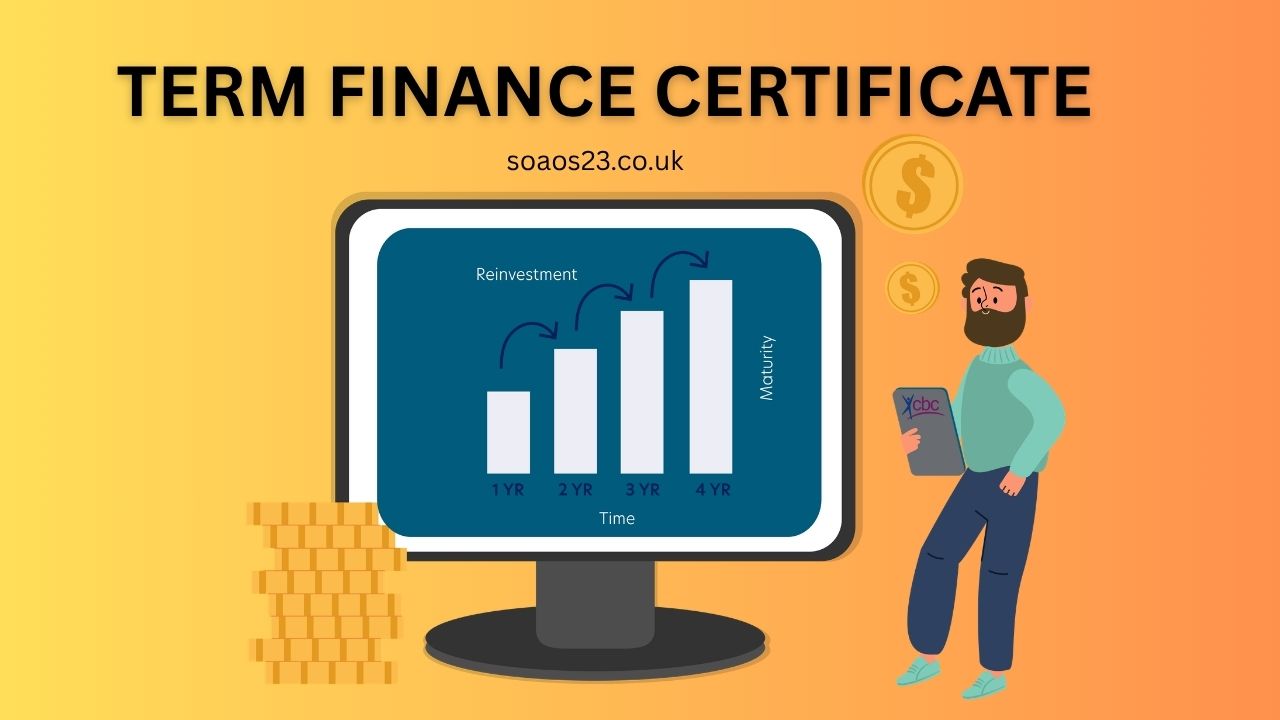
A Term Finance Certificate is a debt security that represents a loan extended by investors to a company for a fixed period, usually 3 to 10 years. The issuer pays periodic profit (interest) and repays the principal at maturity. TFCs are listed on the stock exchange, providing liquidity to investors and allowing companies to access a broader pool of capital beyond traditional bank loans.
The process is heavily regulated to protect investors and maintain market integrity. It involves:
- Credit rating by approved agencies
- Appointment of a trustee and investment banker
- Preparation of a detailed prospectus
- SECP approval and listing on PSX
- Ongoing compliance and disclosure
Mistakes at any stage can result in higher costs, delayed timelines, or failed issuance. In a high-interest-rate environment like 2026, even small errors can significantly impact the final coupon rate and investor appetite.
Mistake 1: Inadequate Preparation of Financial Documents
One of the most frequent errors is submitting incomplete or poorly prepared financial statements and projections. Investors and regulators scrutinize historical performance, cash flow forecasts, and debt-service coverage ratios.
Why it happens: Companies often underestimate the depth of analysis required. Projections that appear overly optimistic or lack supporting assumptions raise red flags.
How to avoid it: Engage a qualified chartered accountant early. Ensure three to five years of audited financials are available. Develop conservative yet realistic forecasts with clear assumptions about revenue growth, margins, and capital expenditure. Stress-test scenarios for different economic conditions.
Mistake 2: Choosing the Wrong Credit Rating Agency or Ignoring Rating Implications
The credit rating directly influences the coupon rate and investor interest. Some issuers rush the rating process or fail to address weaknesses highlighted in the initial assessment.
Deep insight: A one-notch difference in rating can increase borrowing costs by 0.5%–1.5% annually. In a large issuance, this translates into millions in extra interest payments over the tenor.
Solution: Work with reputable rating agencies (PACRA or VIS in Pakistan). Address governance, liquidity, and industry risk factors proactively. A strong rating narrative backed by clear mitigation strategies improves outcomes.
Mistake 3: Poor Structuring of the Instrument
Many applicants fail to optimize the TFC structure—tenor, profit payment frequency, security package, or call/put options.
- Choosing an inappropriate tenor that mismatches cash flow generation
- Offering insufficient security or collateral
- Ignoring investor preferences for floating vs fixed rates
Best practice: Align the TFC structure with the company’s cash flow cycle. For example, infrastructure projects may need longer tenors with grace periods, while manufacturing businesses may prefer shorter tenors with balloon payments.
Mistake 4: Underestimating Legal and Regulatory Compliance
The prospectus and legal documentation must comply with SECP regulations, Companies Act, and listing requirements. Errors in disclosure, related-party transactions, or risk factors can lead to rejection or delays.
Insight: Regulatory delays are costly. Each month of delay can mean lost business opportunities or higher hedging costs in a volatile interest rate environment.
Recommendation: Appoint an experienced legal advisor familiar with capital market transactions. Conduct a thorough internal compliance audit before submission.
Mistake 5: Weak Marketing and Investor Roadshows
Even a technically sound TFC can fail to attract sufficient subscription if the marketing effort is inadequate. Many issuers rely solely on the investment banker without active participation from senior management.
Effective approach: Senior management should personally engage with institutional investors, insurance companies, and high-net-worth individuals. Clear communication of business strategy, competitive advantages, and risk mitigation builds confidence.
Mistake 6: Ignoring Market Timing and Interest Rate Environment
Launching a TFC when interest rates are high or liquidity is tight leads to higher coupon rates and lower demand. Conversely, timing the issuance during favorable market windows can reduce costs significantly.
Deep insight: Successful issuers monitor macroeconomic indicators, central bank policy, and liquidity in the debt market. They maintain flexibility in their issuance calendar to capitalize on favorable windows.
Mistake 7: Inadequate Post-Issuance Compliance Planning
Some companies focus intensely on the issuance process but neglect ongoing obligations such as timely profit payments, financial disclosures, and covenant compliance. This can damage credibility and affect future fundraising.
Long-term view: Treat the TFC as the beginning of a relationship with the debt market. Strong post-issuance performance builds a track record that makes subsequent issuances easier and cheaper.
Table: Common Mistakes vs Recommended Actions When Applying for a Term Finance Certificate
| Mistake | Impact | Recommended Action | Expected Benefit |
|---|---|---|---|
| Inadequate financial documentation | Delayed approval or higher coupon rate | Engage early with auditors, prepare stress-tested forecasts | Faster approval, lower borrowing cost |
| Poor credit rating strategy | Increased interest expense | Address weaknesses proactively, choose reputable agency | Better rating, reduced cost of funds |
| Suboptimal instrument structuring | Mismatch with cash flows | Align tenor and security with business model | Improved debt-service coverage |
| Weak legal & regulatory preparation | Rejection or lengthy delays | Appoint experienced legal counsel | Smooth regulatory clearance |
| Ineffective investor marketing | Undersubscription | Active roadshows by senior management | Stronger demand, better pricing |
| Ignoring market timing | Higher coupon or failed issuance | Monitor interest rates and liquidity | Optimal issuance window |
| Poor post-issuance compliance | Reputational damage | Establish robust monitoring systems | Stronger future market access |
Additional Considerations for Success
Build Strong Relationships with Financial Institutions Cultivate relationships with investment banks, trustees, and rating agencies well before the actual issuance. Early engagement often leads to better advice and smoother execution.
Focus on Transparency Full and fair disclosure of risks builds investor confidence. Companies that hide weaknesses often face backlash during due diligence or after listing.
Consider Sukuk Alternatives In markets like Pakistan, Islamic finance instruments (Sukuk) may offer tax advantages or appeal to a different investor base. Comparing TFC with Sukuk structures can optimize funding costs.
Learn from Past Issuances Study successful and failed TFC issuances in recent years. Analyze what worked, what caused delays, and how market conditions influenced outcomes.
FAQ: Common Questions About Term Finance Certificates
What is a Term Finance Certificate?
It is a listed debt instrument that allows companies to borrow medium- to long-term funds from the public through the stock exchange, with periodic profit payments and principal repayment at maturity.
Who can issue a Term Finance Certificate?
Public limited companies meeting SECP and stock exchange requirements can issue TFCs. They must have a credible business model, acceptable credit rating, and proper governance structure.
How long does the TFC issuance process take? From preparation to listing, the process typically takes 4 to 8 months, depending on complexity, regulatory reviews, and market conditions.
What are the main costs involved in issuing a TFC?
Costs include sponsor fees, legal and rating expenses, listing fees, trustee charges, and marketing. Total costs usually range from 1.5% to 3% of the issue size.
Can a company issue a TFC without a credit rating?
No. A credit rating from an approved agency is mandatory for public issuance of TFCs.
What happens if a company defaults on a Term Finance Certificate?
Default triggers enforcement of security, legal action by the trustee on behalf of investors, and potential reputational damage that affects future fundraising.
Is a Term Finance Certificate better than a bank loan?
It depends. TFCs often offer longer tenors and broader investor access, but they involve higher upfront costs and disclosure requirements. Bank loans may be simpler for smaller amounts.
Conclusion: Prepare Thoroughly to Succeed with a Term Finance Certificate
Applying for a Term Finance Certificate is a significant milestone that can provide crucial growth capital, but it demands meticulous preparation and attention to detail. The most common mistakes poor documentation, weak structuring, inadequate marketing, and ignoring market timing can be avoided through early planning, professional advice, and disciplined execution.
By focusing on strong fundamentals, transparent disclosure, and realistic financial projections, companies can successfully navigate the issuance process and secure favorable terms. The lessons from both successful and failed TFC issuances show that thoroughness and integrity ultimately determine outcomes.
If your company is considering a Term Finance Certificate, start by conducting an internal readiness assessment and engaging experienced advisors. Take the time to learn from past issuances and align your structure with both business needs and investor expectations.
Ready to move forward? Begin by reviewing your current financial position and reaching out to a reputable investment banker or legal advisor specializing in debt capital markets. What challenges are you facing in your financing journey? Share your thoughts below or take the first step toward a well-structured TFC issuance today. Careful preparation now can save significant costs and stress later.