
In today’s fast-paced digital landscape, businesses face constant pressure to adapt, innovate, and grow. The concept of brand elevation scale agile solutions has emerged as a game-changer for companies aiming to stay competitive. But what does it really mean to scale a brand using agile methodologies? At its core, it’s about building flexibility into every layer of your operations from marketing campaigns to product development while maintaining a strong, cohesive brand identity.
Brand elevation isn’t just about visibility; it’s about creating meaningful connections that drive loyalty and revenue. When paired with agile solutions, scaling becomes less about rigid plans and more about iterative progress. This approach allows brands to respond to market shifts in real time, test new ideas quickly, and refine strategies based on data-driven insights. Whether you’re a startup or an established enterprise, understanding how to elevate scale brand with agile solutions can unlock sustainable growth.
This article dives deep into the strategies, tools, and real-world examples that make agile-driven brand scaling effective. We’ll explore why traditional methods fall short, how agile principles transform branding, and the step-by-step process to implement these solutions successfully.
What Is Brand Elevation in the Agile Era?
Brand elevation refers to the strategic process of enhancing a brand’s perception, reach, and influence. It goes beyond logos and taglines it’s about embedding your brand into the customer’s daily life through consistent, value-driven experiences.
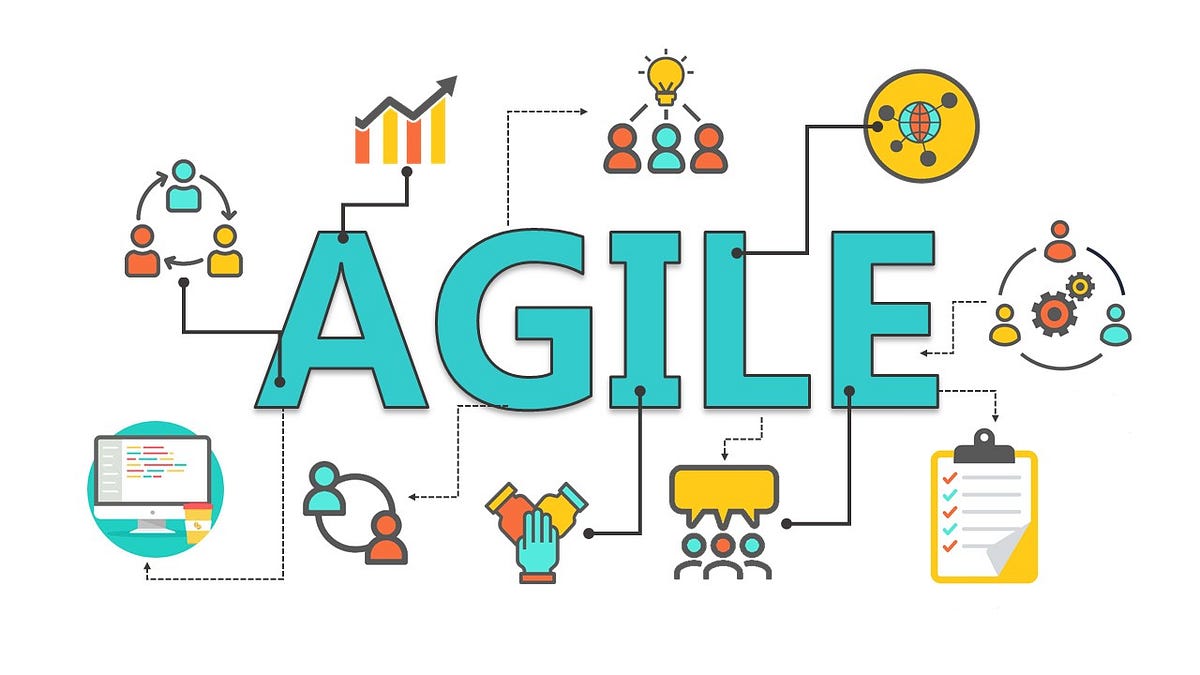
When we talk about brand elevation scale agile solutions, we’re integrating agile frameworks originally from software development into marketing and branding. Agile emphasizes short cycles (sprints), continuous feedback, and cross-functional collaboration. Instead of launching a year-long campaign, agile brands test micro-campaigns, measure results, and pivot within weeks.
Why Traditional Scaling Fails Modern Brands
Many companies still rely on waterfall methods: plan for six months, execute, then evaluate. By the time results come in, market trends have shifted. A 2023 McKinsey report found that 70% of large-scale transformation projects fail due to inflexibility. Agile counters this by breaking goals into manageable iterations, reducing risk and accelerating time-to-value.
The Core Principles of Agile Brand Scaling
To brand elevation scale agile solutions effectively, adopt these foundational principles:
- Customer-Centric Iteration: Base every decision on user feedback, not assumptions.
- Cross-Functional Teams: Break silos between marketing, sales, product, and design.
- Data-Driven Decisions: Use real-time analytics to guide strategy.
- Minimum Viable Campaigns (MVCs): Launch small, test fast, scale what works.
- Continuous Improvement (Retrospectives): Review every sprint to refine processes.

These principles ensure that brand elevation isn’t a one-time lift but a scalable, repeatable system.
Agile vs. Traditional Branding: A Side-by-Side Comparison
| Aspect | Traditional Branding | Agile Branding |
|---|---|---|
| Planning Cycle | 6–12 months | 2–4 week sprints |
| Budget Allocation | Fixed upfront | Flexible, reallocated per sprint |
| Risk Level | High (all-or-nothing launches) | Low (test and learn) |
| Customer Feedback | Post-launch surveys | Real-time via A/B tests, social listening |
| Adaptability | Low | High |
| Time to Market | Slow | Fast (days vs. months) |
| ROI Measurement | Quarterly/Annual | Weekly/Daily |
This table highlights why brand elevation scale agile solutions outperform rigid strategies in volatile markets.
Step-by-Step Guide to Implementing Agile Brand Elevation
Ready to scale? Follow this structured roadmap.
Step 1: Define Your Brand North Star
Start with a clear brand purpose. Ask: What problem do we solve uniquely? Document this in a one-page brand manifesto. Tools like Miro or Notion help teams align visually.
Step 2: Build Cross-Functional Squads
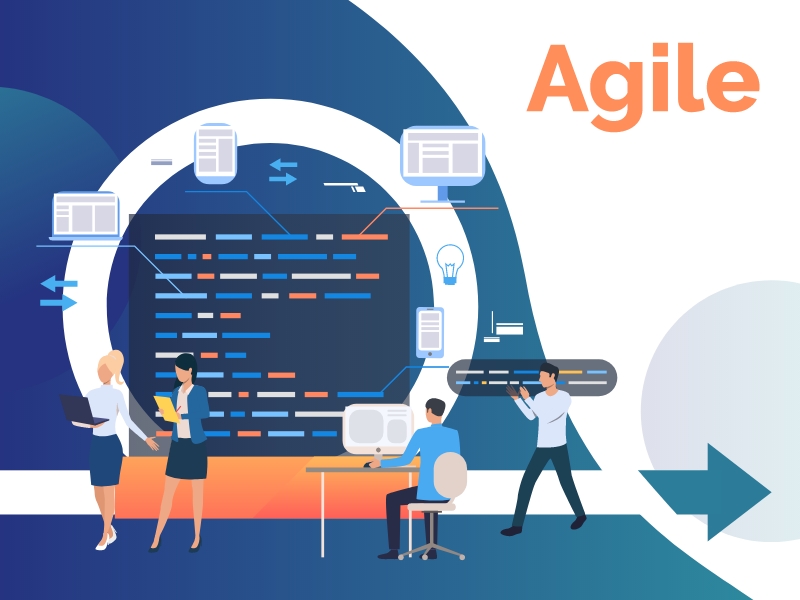
Form small teams (5–9 people) with diverse skills. Include a marketer, designer, data analyst, and product lead. Use daily stand-ups (15 minutes) to sync progress.
Step 3: Map Customer Journeys with Agile Lenses
Break the customer journey into stages: Awareness, Consideration, Conversion, Loyalty. Assign agile stories to each touchpoint. Example: “As a first-time visitor, I want personalized content so I feel understood.”
Step 4: Launch Minimum Viable Campaigns (MVCs)
Forget perfection. Launch a beta version of your campaign. Example: A fashion brand tests Instagram Reels with two thumbnail variations. Measure engagement within 48 hours, then double down on the winner.
Step 5: Measure with Agile KPIs
Track leading indicators, not just lagging ones:
- Sprint Velocity: Campaigns launched per sprint.
- Engagement Rate: Likes, comments, shares per post.
- Conversion Lift: Sales from agile-tested channels.
- Net Promoter Score (NPS): Post-interaction feedback.
Use tools like Google Analytics 4, Amplitude, or Tableau for real-time dashboards.
Step 6: Conduct Retrospectives
After each sprint, ask:
- What worked?
- What didn’t?
- What should we try next?
Document learnings in a shared wiki to build institutional knowledge.
Real-World Case Studies: Agile Brand Elevation in Action
Case Study 1: Spotify’s Squad Model
Spotify scaled its brand globally using agile “squads.” Each squad owns a feature (e.g., Discover Weekly) and its marketing. This autonomy allowed rapid localization translating campaigns into 20+ languages in weeks, not months. Result: 600M+ users by 2025.
Case Study 2: Nike’s Digital Pivot
During the 2020 pandemic, Nike shifted 50% of its budget to digital within two sprints. They tested Snapchat AR filters for sneaker try-ons, achieving 3x higher engagement than static ads. This agile move contributed to a 75% surge in direct-to-consumer sales.
Case Study 3: A SaaS Startup’s Growth Hack
A B2B tool (anonymized) used brand elevation scale agile solutions to grow from 1K to 50K users in 18 months. They ran weekly LinkedIn A/B tests, refining messaging based on click-through rates. One pivot from feature-focused to outcome-focused copy increased conversions by 40%.
Tools and Technologies for Agile Brand Scaling
Invest in tools that enable speed and collaboration:
- Project Management: Jira, Trello, or ClickUp for sprint tracking.
- Analytics: Google Analytics 4, Hotjar for heatmaps, Mixpanel for user behavior.
- Content Creation: Canva Pro, Figma for rapid design iterations.
- Automation: Zapier to connect tools, HubSpot for marketing automation.
- AI-Powered Insights: Tools like Brandwatch or Sprout Social for sentiment analysis.
For deeper integration, explore Atlassian’s Agile Guide or HubSpot’s Marketing Hub.
Common Challenges and How to Overcome Them
Even with brand elevation scale agile solutions, hurdles arise.
Challenge 1: Resistance to Change
Solution: Start small. Pilot agile in one department (e.g., social media) and showcase quick wins.
Challenge 2: Misaligned Teams
Solution: Use RACI matrices to clarify roles. Train everyone on agile basics via free courses on Coursera.
Challenge 3: Data Overload
Solution: Focus on 3–5 KPIs per sprint. Use dashboards to filter noise.
Challenge 4: Brand Consistency
Solution: Create a living style guide in Notion. Review all assets in sprint retrospectives.
The Future of Agile Brand Elevation
By 2026, Gartner predicts 80% of enterprises will adopt hybrid agile models. Emerging trends include:
- AI-Driven Personalization: Real-time content adaptation using machine learning.
- Web3 Integration: NFTs and DAOs for community-owned branding.
- Sustainability Metrics: Agile tracking of carbon footprints in campaigns.
Staying ahead means treating your brand as a living system one that evolves with every customer interaction.
FAQ: Your Top Questions on Brand Elevation and Agile Solutions
1. What exactly does “brand elevation scale agile solutions” mean?
It’s a framework that combines agile methodologies with strategic branding to scale influence, reach, and revenue through rapid testing, iteration, and customer feedback.
2. How long does it take to see results with agile brand scaling?
Most teams see measurable lifts (10–30% in engagement or conversions) within 2–3 sprints (4–6 weeks), provided MVCs are launched consistently.
3. Can small businesses use brand elevation scale agile solutions?
Absolutely. Agile thrives in resource-constrained environments. Start with free tools like Trello and Google Analytics.
4. What’s the difference between a Minimum Viable Product (MVP) and a Minimum Viable Campaign (MVC)?
An MVP tests a product; an MVC tests a marketing initiative (e.g., an ad set or email sequence) before full rollout.
5. How do I convince my team to adopt agile for branding?
Share case studies (like Nike or Spotify) and run a 2-week pilot. Quantify results to build buy-in.
6. Are there industries where agile branding doesn’t work?
Agile adapts to any sector, but highly regulated industries (e.g., finance, healthcare) may need modified compliance checkpoints within sprints.
7. What’s the biggest mistake brands make when scaling agile?
Over-planning. Agile succeeds when you act fast, measure, and adjust don’t wait for perfection.
Conclusion: Start Scaling Smarter Today
The brands that thrive tomorrow are the ones iterating today. By embracing brand elevation scale agile solutions, you’re not just growing—you’re building a resilient, customer-obsessed identity that adapts to any challenge.