






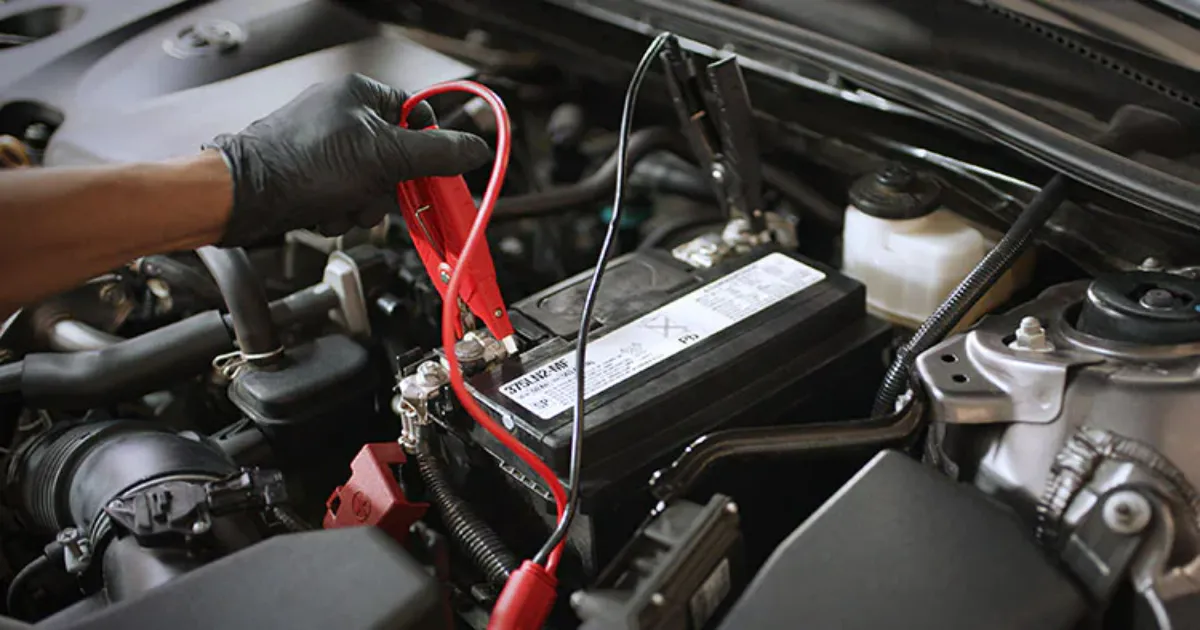
Imagine turning the key in your ignition, only to hear a faint click or nothing at all your morning commute derailed by a dead battery. It’s a frustrating scenario that catches many drivers off guard, but it’s also entirely preventable with basic knowledge. In today’s world of busy schedules and rising vehicle tech demands, understanding how long does a car battery last isn’t just trivia; it’s essential for avoiding breakdowns, saving money on unexpected repairs, and keeping your vehicle reliable. Whether you’re navigating city streets or long highways, a healthy battery ensures your car starts when you need it most.
This guide dives deep into the factors influencing battery longevity, from everyday driving habits to environmental challenges. We’ll explore real-world scenarios, like how long does a car battery last in Florida’s sweltering heat or without an alternator kicking in. By the end, you’ll have actionable insights to extend your battery’s life, backed by expert data and practical tips. Let’s rev up and get started.
Understanding the Basics of Car Battery Lifespan
At its core, a car battery stores electrical energy to power your starter motor, lights, and onboard electronics. Most vehicles use lead-acid batteries, which rely on a chemical reaction between lead plates and sulfuric acid to generate power. Over time, this reaction causes wear, leading to reduced capacity and eventual failure.
The average life of a car battery hovers between three to five years, according to sources like AAA and Interstate Batteries. This isn’t a hard rule some last up to seven years with meticulous care, while others fizzle out in under two. Factors like battery type, usage, and climate play starring roles. For instance, absorbent glass mat (AGM) batteries, common in modern start-stop systems, often outlast traditional flooded lead-acid ones, reaching four to seven years.
Why does this matter? A failing battery doesn’t just strand you; it stresses your alternator and electrical system, potentially leading to costlier fixes. Proactive checks during routine maintenance can catch issues early, turning a potential headache into a quick swap.
Factors That Influence How Long Does a Car Battery Last
Battery life isn’t one-size-fits-all. Several variables determine whether yours hits the five-year mark or taps out early. Here’s a breakdown:
Temperature Extremes: The Silent Killer
Heat is public enemy number one for batteries. In scorching conditions, internal fluid evaporates, accelerating corrosion and sulfation (crystal buildup on plates). Cold weather thickens the electrolyte, making starts harder and draining power faster.
How long does a car battery last in Florida? Expect only about three years in the Sunshine State’s relentless humidity and 90°F-plus summers far shorter than the national average. Northern climates fare better, with batteries often lasting five years or more. Pro tip: Park in shade or a garage to shield it from thermal swings.
Driving Habits: Short Trips and Inactivity
Frequent short drives under 20 minutes don’t give your alternator time to recharge, leading to chronic undercharging. This builds sulfate deposits, shortening life by up to 50%.
How long does a car battery last without driving? A healthy one holds charge for two to four weeks, but parasitic drains from clocks and alarms can halve that. For longer layoffs, use a trickle charger.
Electrical Loads and Accessories
Modern cars guzzle power for infotainment, AC, and sensors. Leaving the radio on? How long does car battery last with radio on? About 10-12 hours before it drops too low to start the engine, assuming a standard 5-amp draw. Aftermarket amps or lights amplify this drain.
Maintenance Neglect
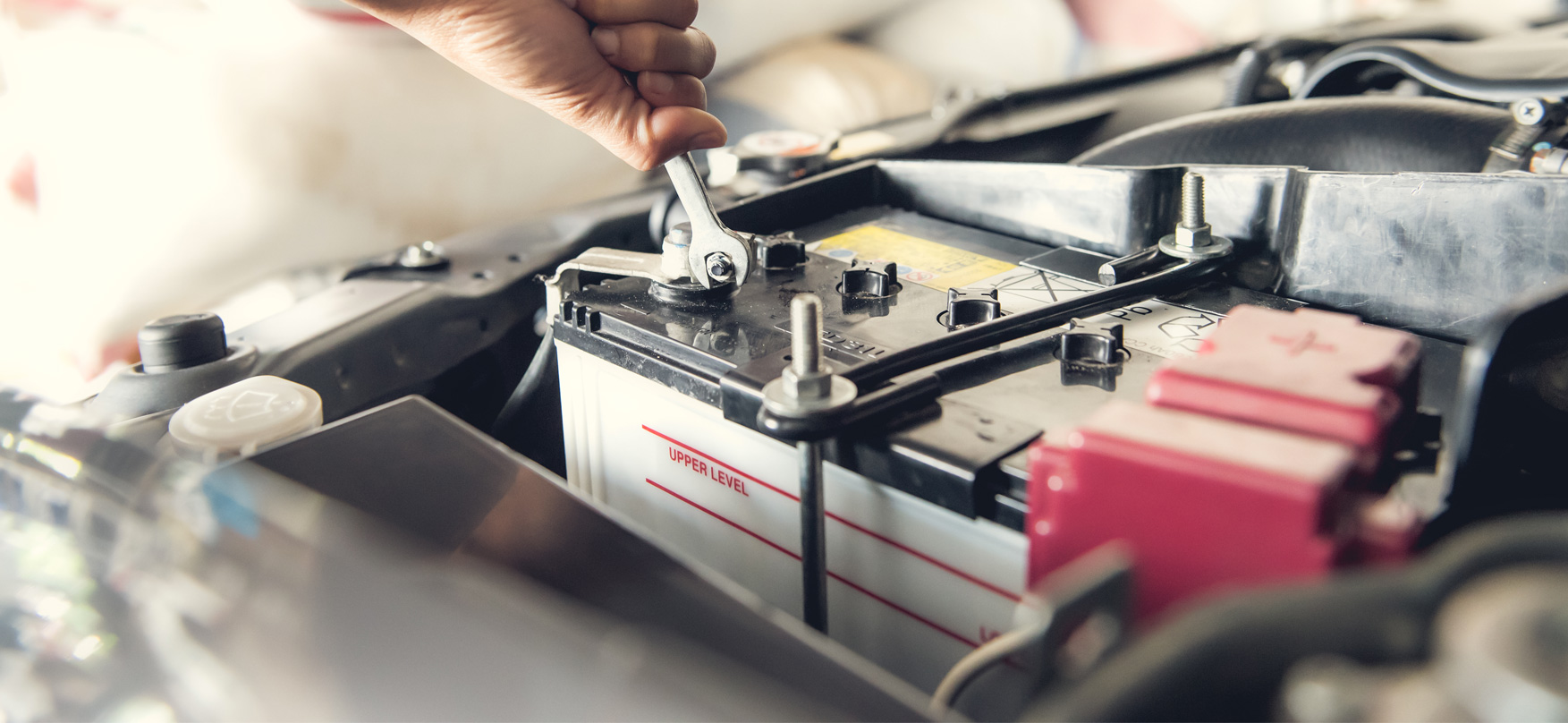
Corroded terminals, loose cables, or low fluid levels (in non-sealed batteries) impede performance. Vibration from rough roads loosens connections, hastening wear.
Battery Types and Their Expected Lifespans
Not all batteries are created equal. Here’s a quick comparison:
| Battery Type | Average Lifespan | Best For | Key Pros | Key Cons |
|---|---|---|---|---|
| Flooded Lead-Acid | 3-5 years | Basic vehicles | Affordable, widely available | Requires maintenance, heat-sensitive |
| AGM (Absorbed Glass Mat) | 4-7 years | Start-stop systems, diesels | Vibration-resistant, deep-cycle capable | Higher cost |
| EFB (Enhanced Flooded) | 4-6 years | Modern cars with accessories | Better recharge, durable | Mid-range price |
| Lithium-Ion | 8-20 years | EVs, hybrids | Lightweight, long life, fast charge | Expensive, specialized |
How long does a car battery last diesel? Roughly the same as gas three to five years but opt for heavy-duty options to match the torque needs.
How Long Does a Car Battery Last Without Charging or an Alternator?
Emergencies happen. How long does a car battery last without charging? Up to a month if idle, but real-world drains cut it to two weeks.
Without an alternator? You’re on borrowed time. A full battery powers essentials for 30 minutes to two hours of driving, depending on loads turn off AC and lights to stretch it. How long does a car battery last without alternator? Expect 50-100 miles max before dimming lights signal shutdown. Head to a mechanic ASAP.
For EVs, the high-voltage pack lasts 10-20 years or 100,000-200,000 miles, but the 12V auxiliary battery mirrors gas cars at three to five years. How long does a car battery last EV? The main pack: a decade-plus; the helper: standard fare.
Lithium-ion starters? They’re gaining traction, promising eight to 15 years with lighter weight and no fluid woes. How long does a car battery last lithium ion? Up to 10 years in ideal setups.
Signs Your Car Battery Is on Its Last Legs
Don’t wait for total failure. Watch for these red flags:
- Slow cranking or clicking: The starter struggles, signaling weak power.
- Dim or flickering lights: Especially noticeable at idle.
- Swollen case or corrosion: White, ashy buildup on terminals.
- Dashboard warnings: Battery or check-engine light illuminates.
- Strange odors: Rotten eggs from leaking acid.
How do I know when my car needs a new battery? Test it annually after year three free at most auto parts stores. Should a 7-year-old car battery be replaced? Absolutely it’s well past average, even if starting fine. Proactive swaps prevent stranding.
For Honda owners: How long do Honda car batteries last? Typically three to five years, though OEM units in models like the Civic often hit four.
What Shortens Car Battery Life: Common Culprits
Beyond basics, these accelerate demise:
- Parasitic drains: Faulty alarms or infotainment sipping power overnight.
- Over-discharging: Letting it hit zero repeatedly sulfates plates.
- Vibration: Potholes loosen internals.
- Poor quality: Cheap batteries fail faster in heat.
A car battery life chart by climate underscores this: Hot zones (e.g., Southwest) average 30 months; temperate areas, 48-60. How long does a car battery last before it dies? Watch for the above signs ignore them, and it’s sudden.
Tips to Maximize Your Battery’s Longevity
- Drive 20-30 minutes weekly for full charges.
- Clean terminals with baking soda solution quarterly.
- Use a maintainer for storage.
- Insulate in cold; shade in heat.
- Limit accessory use engine-off.
These habits can add a year or more.
FAQ
How long does a car battery last on average?
Three to five years, varying by type and conditions.
How long does a car battery last without driving?
Two to four weeks for a healthy unit.
How long does a car battery last without an alternator?
30 minutes to two hours of driving.
How long does a car battery last in Florida?
About three years due to heat.
What is the average life of a car battery?
Three to five years nationally.
How do I know when my car needs a new battery?
Look for slow starts, dim lights, or warnings.
Should a 7-year-old car battery be replaced?
Yes, it’s overdue, even if functional.
How long do Honda car batteries last?
Three to five years typically.
Wrapping Up: Keep Your Battery Charged and Your Drives Smooth
From the scorching Florida sun shortening lifespans to smart habits extending them, how long does a car battery last boils down to care and context. Aim for that three-to-five-year sweet spot, but with vigilance, you could push it further. Regular tests and tweaks like longer drives and terminal cleanings pay off big.