 11
In today’s fragmented retail landscape, where omnichannel expectations, supply-chain volatility, and hyper-personalized consumer demands collide, generic “one-size-fits-all” approaches rarely drive sustainable expansion. Enter retailpe business vertical classification a structured framework that segments retail operations into focused categories based on product type, customer behavior, supply-chain characteristics, and market dynamics. Whether you’re running a neighborhood kirana store, an electronics showroom, a fashion boutique, or a pharmacy, accurate classification determines how effectively you allocate resources, target promotions, secure financing, and scale.
The importance of retail classification system frameworks like RetailPe’s cannot be overstated in 2026. Indian retail remains one of the fastest-growing sectors globally, yet fragmentation across thousands of small-to-medium merchants creates inefficiencies. Platforms such as RetailPe (a fintech-enabled ecosystem supporting merchants with loans, inventory tools, payments, and distribution) use retail business vertical categorization to unlock tailored solutions lower interest rates for low-risk verticals, faster credit approvals for high-turnover categories, and vertical-specific growth playbooks. Misclassification or ignoring this segmentation often leads to mismatched strategies: overstocking slow-moving goods, missing seasonal peaks, or failing to capitalize on digital opportunities. This article explores how retailpe business vertical classification shapes real-world growth decisions and why getting it right can mean the difference between stagnation and scalable success.
RetailPe business vertical classification refers to the platform’s method of grouping merchants into distinct verticals (also called categories or segments) based on primary product lines, average ticket size, inventory turnover, seasonality, regulatory needs, and customer purchase patterns. Unlike broad NAICS or SIC codes used globally, RetailPe’s system is pragmatic and India-centric, reflecting the realities of kirana shops, QSRs, pharmacies, apparel outlets, electronics dealers, and emerging D2C models.
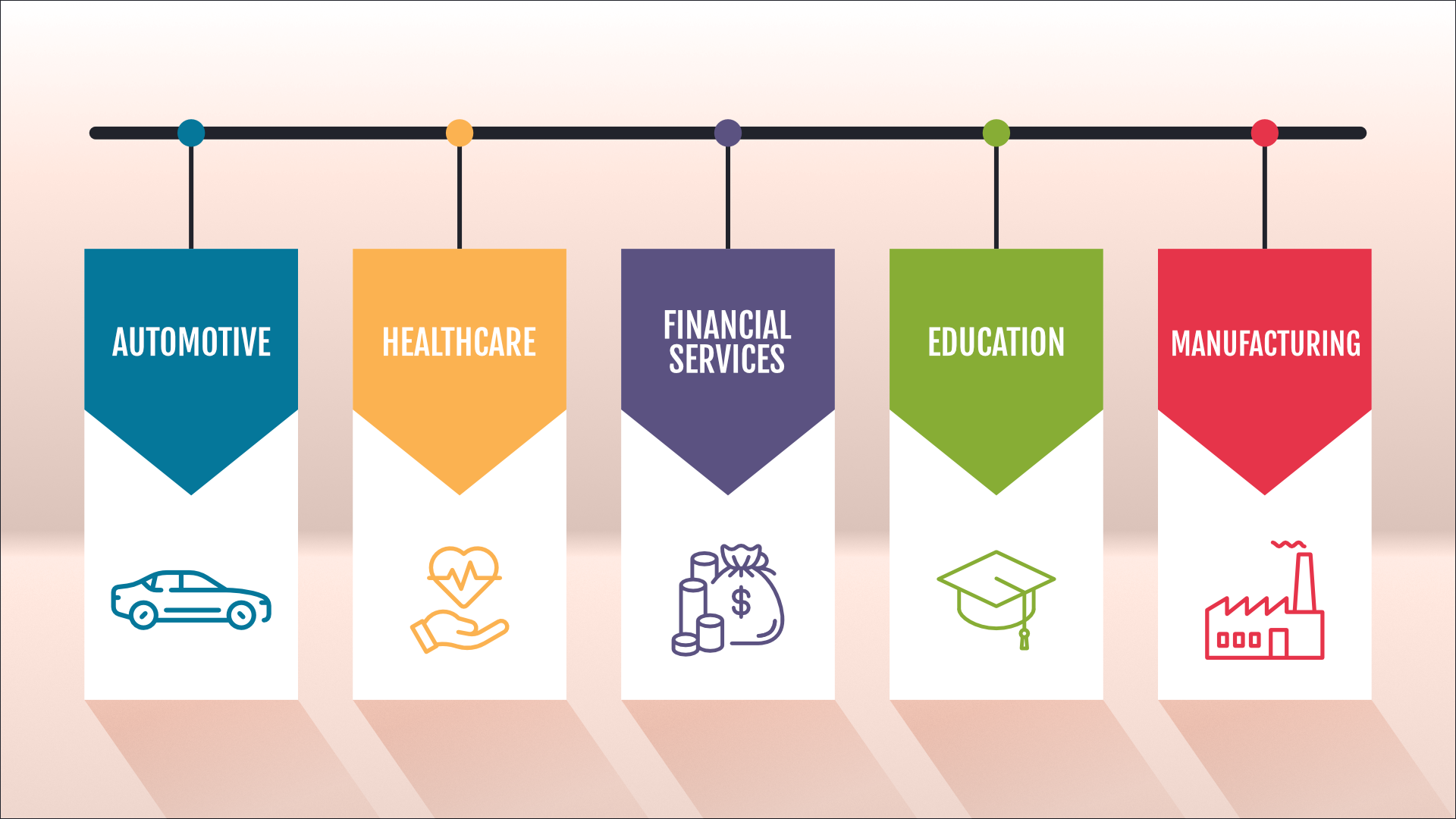
Common verticals under RetailPe-style frameworks include:
This range of verticals allows platforms to apply differentiated scoring models for credit, inventory recommendations, marketing templates, and even supplier matchmaking. A grocery merchant might receive higher working-capital limits due to predictable daily cash flow, while an electronics retailer benefits from longer-tenure loans aligned with festive-season cycles.
Retail in India is projected to reach $2 trillion by 2032, driven by rising incomes, urbanization, and digital adoption. Yet over 90% of outlets remain unorganized or semi-organized, facing challenges in credit access, inventory management, and competition from quick-commerce giants. A precise retail classification system bridges these gaps by:
Businesses ignoring vertical nuances often overextend credit lines, stock irrelevant SKUs, or miss targeted growth opportunities.
Effective classification rests on several pillars:
1. Product & Category Focus Primary goods sold determine the vertical. A store selling 70%+ groceries falls into FMCG, even if it stocks some general merchandise.
2. Customer Behavior & Ticket Size High-frequency, low-value transactions (grocery) differ from low-frequency, high-value ones (electronics). This influences credit appetite and repayment patterns.
3. Inventory Turnover & Seasonality Pharmacy verticals show steady demand; apparel sees festive spikes. Classification guides working-capital needs.
4. Regulatory & Compliance Overlay Food, pharma, and liquor verticals carry heavier compliance burdens, affecting risk models.
5. Digital Maturity Verticals with higher online adoption (fashion, electronics) receive different digital-marketing nudges than traditional kiranas.
Targeted Capital Access A pharmacy classified correctly might access collateral-free loans at lower rates due to predictable cash flows, fueling expansion to a second outlet. An apparel merchant could secure seasonal credit for Diwali inventory, capturing peak demand.
Precision Inventory & Assortment Vertical insights reveal fast-movers vs. slow-movers. Grocery stores optimize shelf space for high-turnover items; electronics retailers focus on trending SKUs and bundle offers.
Marketing & Customer Acquisition Vertical-specific campaigns yield higher ROI. Fashion verticals respond to influencer-led social ads; grocery verticals benefit from WhatsApp-based daily deals.
Omnichannel & Tech Adoption In Retail in Business Central integrations or similar ERP ecosystems, vertical tagging enables tailored modules POS for QSRs, billing compliance for pharmacies, loyalty engines for apparel.
Risk Mitigation & Scalability Accurate classification lowers default risk for lenders, encouraging more capital flow into the ecosystem and enabling merchants to scale confidently.
| Vertical | Avg. Monthly Turnover | Typical Loan Requirement | Seasonality Impact | Key Growth Levers Enabled by Classification | Example Challenges Addressed |
|---|---|---|---|---|---|
| Grocery & FMCG | ₹4–12 lakh | High working capital | Low–Moderate | Faster credit, daily deals, supplier tie-ups | Cash-flow mismatches |
| Pharmacy | ₹6–18 lakh | Medium–High | Steady | Compliance tools, health-product bundling | Regulatory complexity |
| Fashion & Apparel | ₹5–25 lakh | High seasonal | Very High | Festive inventory loans, influencer marketing | Overstocking dead stock |
| Electronics | ₹10–40 lakh | High | High (festive) | EMI financing, demo stock credit | High ticket size risk |
| Food Service / QSR | ₹8–30 lakh | Medium–High | Moderate | POS + loyalty integration, cloud-kitchen tie-ups | High wastage & labor costs |
| Home & Lifestyle | ₹7–20 lakh | Medium | Moderate–High | Interior-trend forecasting, bulk supplier deals | Slow inventory turnover |
These outcomes stem directly from platforms applying granular retailpe business vertical classification.
Misclassification risks include higher borrowing costs, irrelevant supplier recommendations, and poor marketing ROI. Best practices:
It is a categorization framework used by the RetailPe platform (and similar ecosystems) to group merchants into specific verticals like grocery, pharmacy, fashion, electronics, etc., based on product focus, turnover patterns, and market behavior.
It enables tailored financing, inventory suggestions, marketing campaigns, and supplier connections, reducing risk and unlocking growth opportunities that generic approaches miss.
Typical verticals include grocery & FMCG, pharmacy, fashion & apparel, electronics, food service, home & lifestyle, footwear, and general merchandise reflecting India’s diverse retail landscape.
Vertical retail concept focuses deeply on one category (e.g., only fashion or only electronics) for specialized expertise and stronger supplier relationships, while horizontal strategies spread across multiple categories for broader reach.
ERP systems like Microsoft Dynamics 365 Business Central allow merchants to tag transactions and inventory by vertical, enabling better reporting, compliance, and integration with fintech platforms for vertical-specific insights.
Yes, if your product mix shifts significantly (e.g., adding more health products), re-classification can unlock better credit terms, targeted promotions, and relevant partnerships.
Provide accurate POS sales data, product catalogs, and monthly turnover details during onboarding; many platforms use AI-assisted classification with manual review options.
Retailpe business vertical classification is far more than a labeling exercise it’s a foundational tool that aligns financing, operations, marketing, and expansion with the realities of your specific retail segment. In a market where small differences in capital cost, inventory turnover, or customer retention compound quickly, precise vertical alignment separates thriving merchants from those merely surviving.
Review your current product mix and turnover patterns today. If you’re already on a platform like RetailPe, check your classification status and request an update if needed. If not, explore vertical-aware fintech and ERP solutions that offer tailored support. The right classification doesn’t just describe your business it actively fuels its next phase of growth. Take the first step: audit your vertical fit this week and position yourself for smarter, faster scaling in 2026 and beyond.