










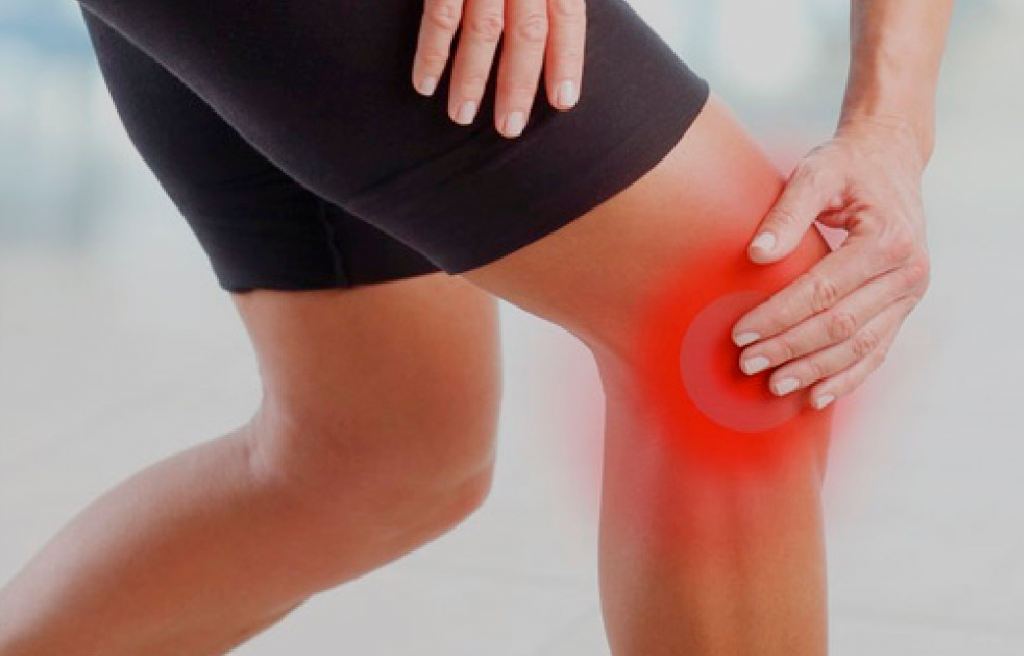
Arthritis affects hundreds of millions of people worldwide, yet many delay seeking help until pain becomes severe and joint damage is advanced. Early recognition of symptoms can make a significant difference in managing the condition, preserving mobility, and maintaining quality of life. Understanding the 10 warning signs of arthritis is crucial because timely intervention often leads to better outcomes, whether through lifestyle changes, medication, or other treatments.
Arthritis is not a single disease but a term for over 100 conditions that cause joint inflammation, pain, and stiffness. The most common forms are osteoarthritis and rheumatoid arthritis, but many others exist. Ignoring early signals can allow inflammation to progress, leading to permanent joint damage, reduced function, and secondary issues like muscle weakness or depression. This article outlines the key warning signs, explains their significance, explores causes (including causes of arthritis in young adults and arthritis caused by cold), and provides practical insights into arthritis treatment and prevention.
What Is Arthritis and Why Early Detection Matters
Arthritis occurs when joints become inflamed, leading to pain, swelling, stiffness, and sometimes deformity. While it is often associated with aging, it can strike at any age, including children and young adults. Gathiya disease in English is the common Hindi term for arthritis, reflecting how widely the condition is recognized across cultures.
Early detection is vital because many forms of arthritis are progressive. In osteoarthritis, cartilage breakdown worsens over time. In autoimmune types like rheumatoid arthritis, unchecked inflammation can damage not only joints but also organs. Starting treatment early can slow progression, reduce pain, and help people stay active longer.
10 Warning Signs of Arthritis You Should Never Ignore
Here are the most important symptoms that warrant prompt medical attention:
- Persistent Joint Pain Pain that lasts more than a few weeks, especially if it worsens with activity or at rest, is a classic early sign. Unlike temporary soreness from overuse, arthritic pain tends to be ongoing and may affect multiple joints.
- Morning Stiffness Stiffness lasting longer than 30 minutes after waking is particularly concerning. In rheumatoid arthritis, it can last for hours. This symptom distinguishes arthritis from normal morning creakiness.
- Swelling and Tenderness Visible swelling, warmth, or tenderness around joints signals inflammation. It may come and go but should not be dismissed if recurrent.
- Reduced Range of Motion Difficulty bending, straightening, or rotating a joint fully can indicate cartilage loss or inflammation. Over time, this leads to muscle weakness and further limitations.
- Joint Redness or Warmth Red, warm joints suggest active inflammation, common in rheumatoid or gouty arthritis. This requires medical evaluation to rule out infection.
- Fatigue and General Malaise Many types of arthritis, especially autoimmune forms, cause profound tiredness that is not relieved by rest. This systemic symptom often appears before severe joint damage.
- Symmetrical Joint Involvement Pain and swelling affecting the same joints on both sides of the body (e.g., both knees or both hands) is a hallmark of rheumatoid arthritis.
- Joint Deformity or Instability Visible changes in joint shape or a feeling that a joint is “giving way” indicate advancing disease. Early intervention can prevent or delay permanent deformity.
- Pain That Worsens with Weather Changes Many people report increased pain with cold or damp conditions. While arthritis caused by cold is a common belief, the cold itself does not cause arthritis. However, it can exacerbate symptoms by increasing muscle tension and reducing blood flow to joints. Does cold water cause arthritis? No, this is a myth. Cold exposure may worsen existing symptoms but is not a root cause.
- Difficulty Performing Daily Tasks Struggling with simple activities like buttoning shirts, opening jars, walking stairs, or gripping objects signals that arthritis is affecting function and quality of life.
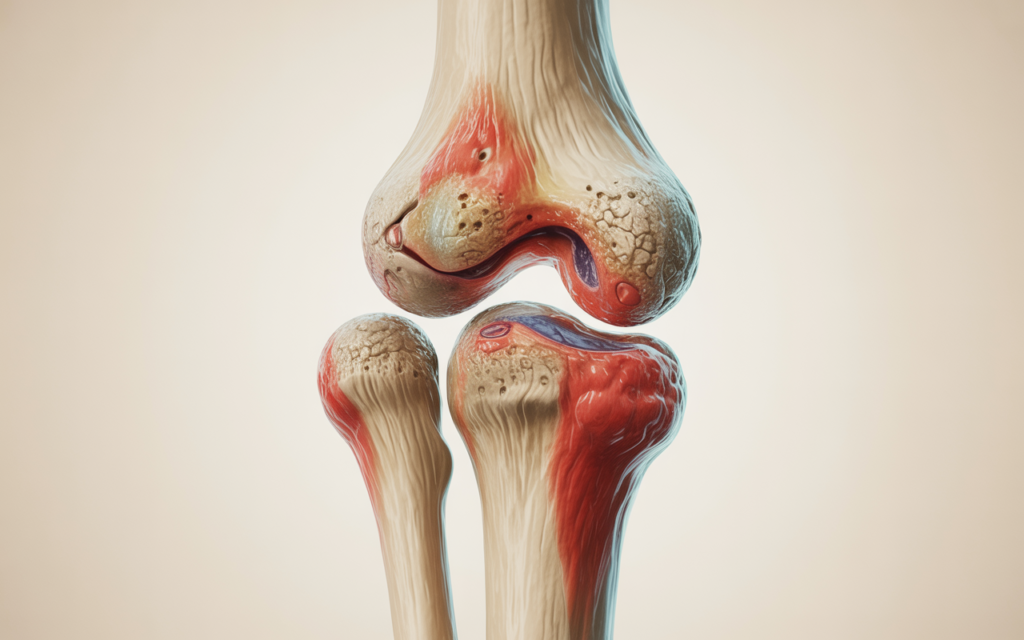
Causes of Arthritis: From Age to Lifestyle Factors
Arthritis causes are diverse:
- Osteoarthritis: Primarily results from wear and tear on cartilage, accelerated by obesity, previous injury, or repetitive stress.
- Rheumatoid Arthritis: An autoimmune condition where the immune system attacks joint linings. Genetics and environmental triggers (smoking, infections) play roles.
- Causes of Arthritis in Young Adults: Include autoimmune diseases, genetic predispositions, sports injuries, infections, and metabolic conditions like gout. Contrary to popular belief, arthritis is not exclusively an “old person’s disease.”
Arthritis of the waist (lumbar spine arthritis or spondylosis) is common and often causes lower back pain, stiffness, and radiating discomfort. It frequently results from age-related degeneration, poor posture, or previous injury.
Other contributing factors include family history, obesity (extra weight stresses weight-bearing joints), and certain occupations involving repetitive movements.
Arthritis Treatment Approaches in 2026
Arthritis treatment has advanced significantly. Modern strategies combine medication, physical therapy, lifestyle changes, and, when necessary, surgery.
- Medications: NSAIDs for pain and inflammation, disease-modifying antirheumatic drugs (DMARDs) for rheumatoid arthritis, and biologics for severe autoimmune cases.
- Physical Therapy: Strengthens supporting muscles, improves flexibility, and teaches joint protection techniques.
- Lifestyle Modifications: Weight management, low-impact exercise (swimming, cycling), anti-inflammatory diet, and stress reduction all help manage symptoms.
- Injections and Procedures: Corticosteroid or hyaluronic acid injections can provide temporary relief. Advanced options include platelet-rich plasma (PRP) or stem cell therapies, though evidence varies.
- Surgery: Joint replacement is highly effective for severe osteoarthritis when conservative measures fail.
Early treatment often allows people to avoid or delay surgery and maintain independence longer.
Prevention and Self-Management Strategies
While not all arthritis is preventable, certain steps reduce risk and slow progression:
- Maintain healthy weight to lessen joint stress.
- Engage in regular low-impact exercise to keep joints mobile.
- Protect joints during sports and work with proper technique and equipment.
- Avoid smoking, which worsens rheumatoid arthritis.
- Eat a balanced diet rich in anti-inflammatory foods (fish, nuts, fruits, vegetables).
For those already diagnosed, self-management through education, pacing activities, and using assistive devices can dramatically improve daily life.
Table: Common Types of Arthritis and Their Key Features
| Type of Arthritis | Primary Cause | Typical Age of Onset | Main Symptoms | Common Treatment Approaches |
|---|---|---|---|---|
| Osteoarthritis | Wear and tear of cartilage | 50+ (can occur earlier) | Pain with activity, stiffness | Exercise, weight loss, pain relief, surgery |
| Rheumatoid Arthritis | Autoimmune | 30–60 | Symmetrical swelling, fatigue | DMARDs, biologics, physical therapy |
| Gout | Uric acid crystal buildup | 30–60 (more in men) | Sudden intense pain, often in big toe | Medications to lower uric acid |
| Psoriatic Arthritis | Autoimmune, linked to psoriasis | 30–50 | Joint pain, skin/nail changes | DMARDs, biologics |
| Ankylosing Spondylitis | Autoimmune, affects spine | 20–40 | Back pain, stiffness, worse at rest | Exercise, NSAIDs, biologics |
FAQ: Common Questions About Arthritis
What age does arthritis start?
Arthritis can begin at any age. Osteoarthritis is more common after 50, but rheumatoid arthritis and other forms often start between 30 and 60. Juvenile idiopathic arthritis affects children. Causes of arthritis in young adults include genetics, injury, and autoimmune conditions.
What are 5 symptoms of arthritis?
The most common are joint pain, stiffness (especially in the morning), swelling, reduced range of motion, and fatigue. Warmth or redness around joints is also frequent.
How to cure arthritis in the body?
There is no universal cure, but many types can be effectively managed. Early treatment with medication, exercise, and lifestyle changes can control symptoms and slow progression. Some people achieve long periods of remission.
What is the cause of arthritis?
Causes vary by type. Osteoarthritis results from mechanical wear, while rheumatoid and psoriatic arthritis are autoimmune. Gout stems from uric acid buildup. Risk factors include genetics, obesity, injury, and infections.
Does cold weather cause arthritis?
No, cold does not cause arthritis. However, arthritis caused by cold is a common perception because lower temperatures can increase joint stiffness and pain in people who already have the condition. Does cold water cause arthritis? is also a myth cold exposure does not initiate the disease.
Is arthritis of the waist common?
Yes. Lumbar spine arthritis (spondylosis) is very common, especially with age, poor posture, or previous back strain. It causes lower back pain and stiffness.
Can young adults get arthritis?
Absolutely. While more prevalent in older adults, autoimmune forms and post-injury arthritis frequently affect people in their 20s, 30s, and 40s.
Conclusion: Listen to Your Joints and Act Early
Recognizing the 10 warning signs of arthritis empowers you to seek help before irreversible damage occurs. Whether you experience persistent pain, prolonged morning stiffness, or swelling, these signals deserve attention. Modern arthritis treatment offers effective tools to manage symptoms and maintain an active life, but early action is key.
Don’t wait for pain to become unbearable. Consult a healthcare professional if you notice concerning symptoms. Simple steps like maintaining a healthy weight, staying active, and protecting your joints can make a profound difference.
If you or someone you care about is experiencing joint issues, schedule an evaluation soon. What symptom concerns you most? Share your experience in the comments or speak with your doctor about personalized management strategies. Taking action today can help preserve your mobility and quality of life for years to come.