








In an age of increasing cyber threats, from data breaches to ransomware attacks, the world of hacking often seems shrouded in mystery and danger. Yet not all hackers are villains. The distinction between what is a white hat hacker and their malicious counterparts is crucial for understanding modern cybersecurity.
White hat hackers also known as ethical hackers work to protect systems, while black hat hackers exploit them for harm or profit. This article explores these roles, other “hat” variations, real-world implications, and why the ethical side of hacking is more important than ever in safeguarding our digital lives.
Understanding Hacker “Hats”: The Color-Coded Spectrum
The terms “white hat,” “black hat,” and others originate from old Western films, where hat colors symbolized good versus evil. In cybersecurity, they describe hackers’ intentions, methods, and legality.
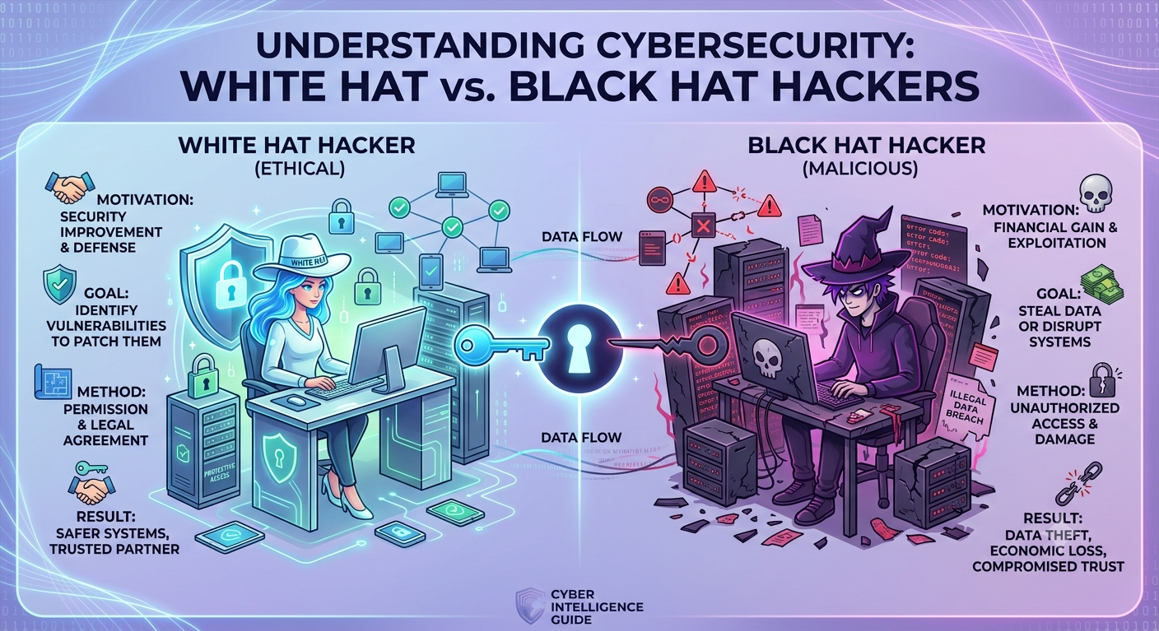
What is a white hat hacker? A white hat hacker is an ethical security professional who identifies vulnerabilities in systems with explicit permission. Their goal is to strengthen defenses before malicious actors can strike.
In contrast, black hat hackers operate illegally, breaching systems for personal gain, theft, disruption, or espionage.
What Does a White Hat Hacker Do? Roles and Responsibilities
White hat hackers perform authorized penetration testing (pen testing), vulnerability assessments, and security audits. They simulate attacks to uncover weaknesses in networks, applications, websites, and devices.
Key activities include:
- Discovering and reporting bugs through bug bounty programs.
- Helping organizations comply with regulations like GDPR or HIPAA.
- Conducting red team exercises that mimic real-world threats.
- Educating teams on best security practices.
White hat hacker government roles are common, with agencies employing them to protect critical infrastructure. Many work as freelancers via platforms like HackerOne or as full-time employees in cybersecurity firms.
Their work is entirely legal when performed with permission, often under strict contracts that define scope and reporting requirements.
Black Hat Hackers: The Malicious Side
What is a black hat hacker? These individuals (or groups) violate laws by breaking into systems without authorization. Motivations range from financial gain (stealing credit card data) to activism, revenge, or state-sponsored espionage.
Black hats use similar technical skills as white hats but deploy them destructively deploying malware, ransomware, or creating botnets. Their actions cause billions in damages annually and erode public trust in technology.
Grey Hat, Red Hat, Blue Hat: Other Variations Explained
The hacker world includes more nuanced types:
- What is a grey hat hacker? Grey hats operate in a moral grey area. They may hack without permission but report findings (sometimes demanding payment). Unlike black hats, they lack malicious intent, but their methods can still be illegal.
- What is a red hat hacker? Red hats are aggressive vigilantes who actively hunt and counter black hats, sometimes using aggressive or unethical tactics to disrupt criminal operations.
- What is a blue hat hacker? Blue hats are often external experts invited by companies (e.g., Microsoft) to test products before release. The term can also refer to revenge-driven hackers.
These distinctions highlight that hacking skills themselves are neutral it’s the intent and authorization that define the “hat.”
White Hat SEO, Gaming, and Other Contexts
The “white hat” label extends beyond cybersecurity:
- White hat SEO: Ethical search engine optimization practices that follow guidelines, as opposed to “black hat SEO” tricks that risk penalties.
- White hat gaming and white hat gaming casinos: Refer to fair, rule-abiding players or operators versus those using cheats or exploits.
- Off white hat: Sometimes describes borderline ethical practices.
These terms borrow from cybersecurity’s ethical framework, showing how the concept influences various industries.
Comparison Table: White Hat vs Black Hat Hackers
| Aspect | White Hat Hacker | Black Hat Hacker |
|---|---|---|
| Intent | Improve security, ethical | Malicious, personal gain or harm |
| Authorization | Always with permission | Without permission (illegal) |
| Legality | Legal | Illegal |
| Methods | Same tools as black hats | Same tools, but destructive |
| Outcome | Stronger systems, bug bounties | Data theft, damage, financial loss |
| Examples | Penetration testers, bug hunters | Ransomware operators, data thieves |
| Career Path | Cybersecurity jobs, consulting | Criminal activity, potential arrest |
This table clearly illustrates the core differences between white hat hacker vs black hat hacker.
Famous White Hat Hackers and Notable Cases
Many white hats started on the other side or gained fame through high-profile discoveries:
- Kevin Mitnick: Once a notorious black hat, he later became a respected white hat consultant after serving time.
- Tsutomu Shimomura: Helped authorities catch Mitnick and contributed to security research.
- Others like Charlie Miller have exposed major vulnerabilities in vehicles and software, leading to critical patches.
Famous white hat hackers demonstrate how skills can shift from harmful to beneficial, often through legal channels like bug bounty programs that reward responsible disclosure.
Are White Hat Hackers Legal? Ethical and Legal Framework
Are white hat hackers legal? Yes when they operate with explicit written permission. Certifications like Certified Ethical Hacker (CEH) provide structured training and credibility.
Key legal considerations include:
- Strict adherence to scope of engagement.
- Proper handling of sensitive data encountered during tests.
- Compliance with laws like the U.S. Computer Fraud and Abuse Act (CFAA).
White hat hacker website resources, forums, and training programs emphasize these boundaries. Organizations benefit enormously, as proactive testing prevents costly breaches.
The Growing Importance in Cybersecurity
With cyber threats evolving rapidly, demand for white hat hackers in cyber security is skyrocketing. Businesses, governments, and individuals rely on them to stay ahead of black hats. Bug bounty programs have paid out millions, incentivizing ethical discovery.
White hat hackers also play educational roles, helping demystify cybersecurity and encouraging responsible digital citizenship.
FAQ: Common Questions About White Hat Hackers
1. What does a white hat hacker do?
They ethically test systems for vulnerabilities, report issues, and help implement fixes with owner permission.
2. What is the difference between white hat and black hat hackers?
White hats work legally to protect; black hats break laws to exploit or harm.
3. What is a grey hat hacker?
Someone who hacks without permission but often reports findings without malice, operating in legal grey areas.
4. Are white hat hackers legal?
Yes, when authorized. Unauthorized access, even with good intentions, can lead to issues.
5. What is a red hat hacker?
Vigilante-style hackers who aggressively target black hats to stop malicious activities.
6. How do I become a white hat hacker?
Gain skills through certifications (e.g., CEH), practice legally via bug bounties, and pursue cybersecurity education or roles.
7. What is a white hat hacker in cyber security?
An ethical professional focused on defense, vulnerability assessment, and strengthening systems against threats.
Conclusion: Choosing the Right Side in Cybersecurity
Understanding what is a white hat hacker vs black hat hacker reveals that hacking is a tool its impact depends on the user. White hats are essential allies in the fight against cybercrime, turning potential weaknesses into strengths. As digital threats grow, supporting ethical hacking through careers, bug bounties, or awareness becomes vital for everyone.