









Windscreen pillars are fundamental structural elements in modern vehicles that most drivers rarely think about until they obscure a critical view at a junction or bend. These vertical supports, primarily the A-pillars framing the windshield, play a vital role in vehicle safety, structural integrity, and overall design. Yet, they also create blind spots that can contribute to accidents if not managed properly.
Understanding windscreen pillars what they are, how they function, and when they become a hazard empowers drivers to make safer decisions on the road. In this comprehensive guide, we’ll explore the meaning, types, safety implications, and practical tips surrounding windscreen pillars. Whether you’re a new driver preparing for your theory test or an experienced motorist looking to improve visibility, this article covers everything you need to know about windscreen pillars.
What Are Windscreen Pillars?
What are windscreen pillars? Also known as A-pillars, windscreen pillars are the vertical or slightly angled structural supports located on either side of a vehicle’s windshield (windscreen). They connect the front of the car body to the roof, providing essential reinforcement while framing the glass.
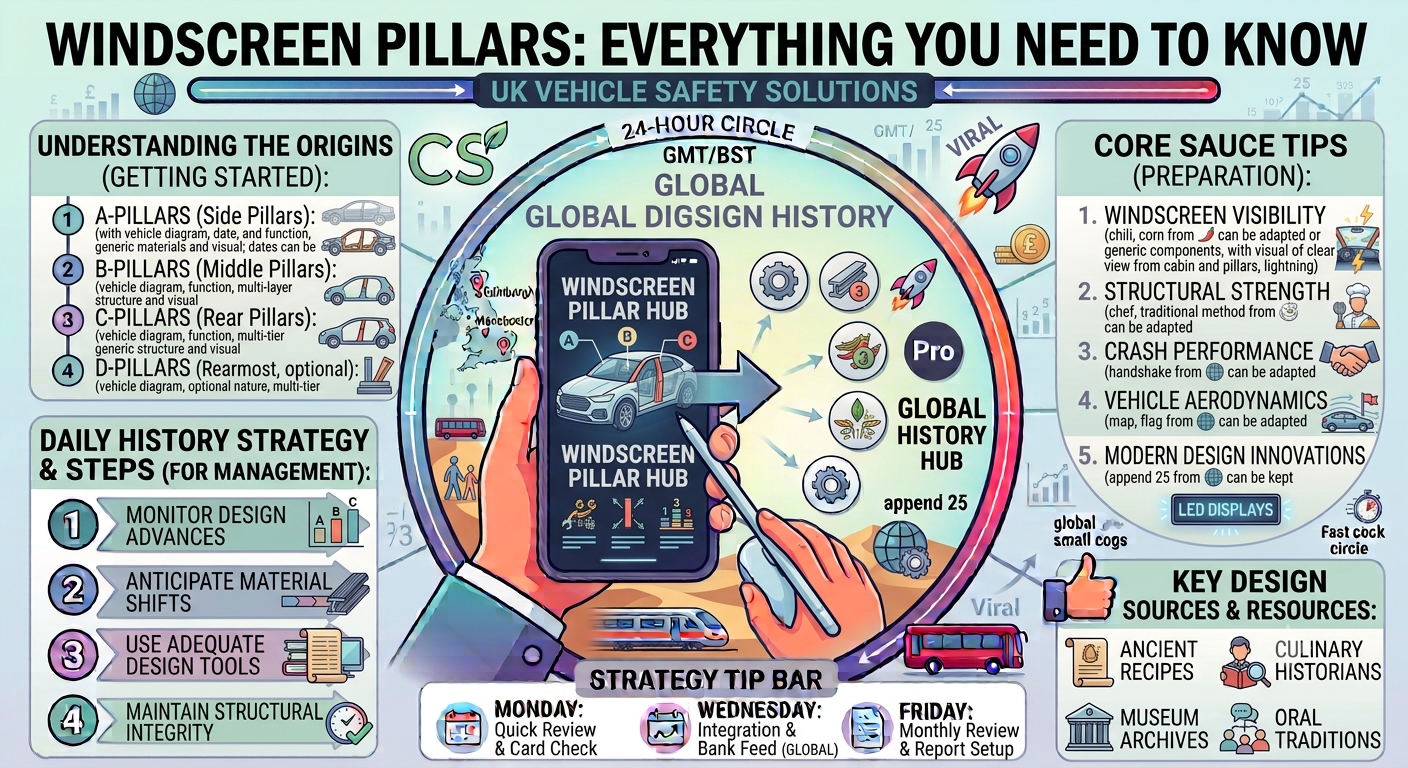
Windscreen pillars meaning extends beyond simple supports. They form part of a vehicle’s “greenhouse” structure the area encompassing the windows and roof. In automotive terminology, pillars are labeled alphabetically from front to rear:
- A-pillars: The forward-most pillars supporting the windshield.
- B-pillars: Located between the front and rear side windows, often housing seatbelt mechanisms.
- C-pillars: Supporting the rear window area in sedans and hatchbacks.
- D-pillars: Found in larger vehicles like SUVs and station wagons.
Windscreen pillars specifically refer to the A-pillars, as they directly border the driver’s primary field of vision through the front windscreen.
Windscreen Pillars in Car Design and Construction
Windscreen pillars car design has evolved significantly over decades. Early automobiles featured thin, slender pillars focused mainly on aesthetics and basic support. As safety standards tightened, particularly after rollover crash testing became prominent, pillars thickened to absorb and distribute impact forces better.
Modern windscreen pillars are engineered using high-strength steel, aluminum alloys, or advanced composites. They often incorporate:
- Energy-absorbing crumple zones.
- Integrated wiring for sensors, cameras, and airbags.
- Reinforced joints for roof crush resistance.
This evolution improves occupant protection during rollovers and frontal impacts but introduces trade-offs in visibility.
| Pillar Type | Location | Primary Functions | Common Vehicles |
|---|---|---|---|
| A-Pillar (Windscreen Pillars) | Sides of windshield | Windshield support, roof strength, front crash protection | All passenger cars, SUVs |
| B-Pillar | Between front/rear doors | Side impact protection, seatbelt anchoring | Sedans, hatchbacks |
| C-Pillar | Rear side windows | Rear window support, structural rigidity | Sedans, coupes |
| D-Pillar | Rearmost (larger vehicles) | Extended roof support | SUVs, station wagons |
This table highlights how each pillar contributes to the overall vehicle architecture.
The Safety Role of Windscreen Pillars
Windscreen pillars are crucial for crashworthiness. They help maintain the integrity of the passenger compartment during a rollover, preventing the roof from collapsing. Regulations from bodies like the NHTSA and Euro NCAP have driven thicker, stronger designs, significantly reducing fatalities in severe accidents.
However, this safety benefit comes with challenges. Thicker A-pillars can create larger blind spots, potentially hiding pedestrians, cyclists, or other vehicles especially in urban environments or when turning.
When Do Windscreen Pillars Cause Obstruction?
When do windscreen pillars cause obstruction to your view? This is a common question in driving theory tests and a real-world safety concern.
Windscreen pillars cause obstruction most notably when approaching bends and junctions. At these points, the pillar can completely block the view of approaching hazards, such as crossing pedestrians, motorcyclists, or oncoming traffic.
Key scenarios include:
- Navigating sharp turns or roundabouts.
- Emerging from or approaching junctions.
- Low-speed maneuvers in tight spaces.
- Driving vehicles with particularly thick or raked A-pillars, like many modern SUVs.
What is windscreen pillars obstruction in practice? A momentary glance might miss a cyclist if the pillar aligns perfectly with their position. Official guidance emphasizes moving your head slightly to “look around” the pillar rather than relying on a static view.
Factors Influencing Obstruction
Several variables affect how much windscreen pillars impact visibility:
- Vehicle Design: Sports cars with steeply raked windscreens often have more intrusive pillars. Taller SUVs may exacerbate the issue due to seating height.
- Driver Position: Taller or shorter drivers may experience different blind spots.
- Weather Conditions: Rain, fog, or low sun can worsen pillar-related visibility issues.
- Aftermarket Modifications: Tinted films or added accessories can compound problems.
Older cars with thinner pillars generally offered better sightlines but compromised on safety in crashes.
Practical Tips to Overcome Windscreen Pillar Blind Spots
Awareness is the first step. Here are actionable strategies:
- Head Movement: Actively tilt or turn your head to scan areas hidden by the pillars, especially at junctions.
- Adjust Seating: Position your seat for optimal visibility without straining.
- Use Mirrors and Technology: Combine pillar checks with mirrors, rear-view cameras, and blind-spot monitoring systems.
- Drive Defensively: Slow down and anticipate hazards in high-risk areas.
- Vehicle Choice: When buying, test-drive cars for pillar visibility if you’re concerned about blind spots.
Many modern vehicles include design mitigations like slimmer high-strength materials, strategic cutouts, or camera feeds displayed on dashboards.
Windscreen Pillars and Driving Theory
In regions like the UK, theory test questions frequently address windscreen pillars cause obstruction. The correct response highlights bends and junctions as primary situations requiring extra caution. This emphasizes hazard perception pillars can hide vulnerable road users entirely.
New drivers should practice these checks during lessons to build muscle memory.
Evolution and Future of Windscreen Pillars
Looking ahead, automotive engineers balance safety with visibility through innovations:
- Advanced high-strength steels allowing thinner yet stronger pillars.
- Panoramic windscreens and camera-based systems reducing reliance on traditional pillars.
- Transparent or sensor-integrated designs in concept vehicles.
As electric and autonomous vehicles rise, pillar design may shift further toward aerodynamics and sensor housing.
Environmental and Maintenance Considerations
While not structural, keeping windscreen pillars clean and ensuring proper windshield installation affects visibility and safety. Damaged pillars from accidents require professional repair to maintain crash integrity never ignore frame damage.
FAQ Section
What are windscreen pillars?
Windscreen pillars, or A-pillars, are the vertical supports on either side of the car’s windshield that provide structural strength to the roof and body.
What is windscreen pillars meaning in automotive terms?
They refer to the A-pillars specifically, essential for safety and framing the front glass.
Do windscreen pillars cause obstruction?
Yes, particularly at bends and junctions where they can hide other road users.
When do windscreen pillars cause obstruction to your view?
Primarily when approaching or navigating bends, junctions, and turns. Always check by moving your head.
How can I reduce blind spots from windscreen pillars?
Move your head, adjust your seating position, and utilize mirrors and vehicle technology.
Are thicker windscreen pillars safer?
Yes, for crash protection, though they require more driver awareness for visibility.
Do all cars have the same windscreen pillars?
No. Design varies by vehicle type, with SUVs often having more pronounced pillars than sedans.
Conclusion
Windscreen pillars represent a classic engineering trade-off: enhanced safety through robust construction versus the need for clear visibility. By understanding what are windscreen pillars, their role in windscreen pillars car design, and when do windscreen pillars cause obstruction, drivers can navigate more confidently and safely.