





Algerian sauce, also known as sauce algérienne, has become a staple in fast-food scenes across Europe and North Africa. This sweet, spicy, yellowish-orange condiment adds a bold kick to French tacos, kebabs, fries, and more. Despite its name, its story is more complex than many realize.
Understanding algerian sauce history and origin reveals a fascinating blend of culinary influences, colonial legacies, and modern commercialization. Whether you’re searching for what is algerian sauce, hunting for algerian sauce ingredients, or looking for how to make algerian sauce, this guide covers it all. We’ll explore its roots, variations available in the UK like algerian sauce asda or algerian sauce tesco, and even brands like nawhals algerian sauce.
What Is Algerian Sauce?
Algerian sauce is a creamy, tangy, and spicy mayonnaise-based condiment. It features a distinctive yellowish-orange hue from tomato paste and harissa. The texture is often chunky due to finely chopped onions, with a balance of sweetness, heat, and freshness from herbs and spices.
Key characteristics include:
- Base: Mayonnaise (oil and egg yolk) or a similar emulsion.
- Flavor profile: Sweet-spicy-tangy with umami depth.
- Common uses: Drizzled in French tacos (a French-Maghrebi wrap), as a dip for fries in friteries, or alongside grilled meats and sandwiches.
It is widely popular in Algeria, Tunisia, Morocco, Belgium, France, Switzerland, and beyond. Many associate it with halal fast food and street eats.
Algerian Sauce History and Origin: Unraveling the Myths
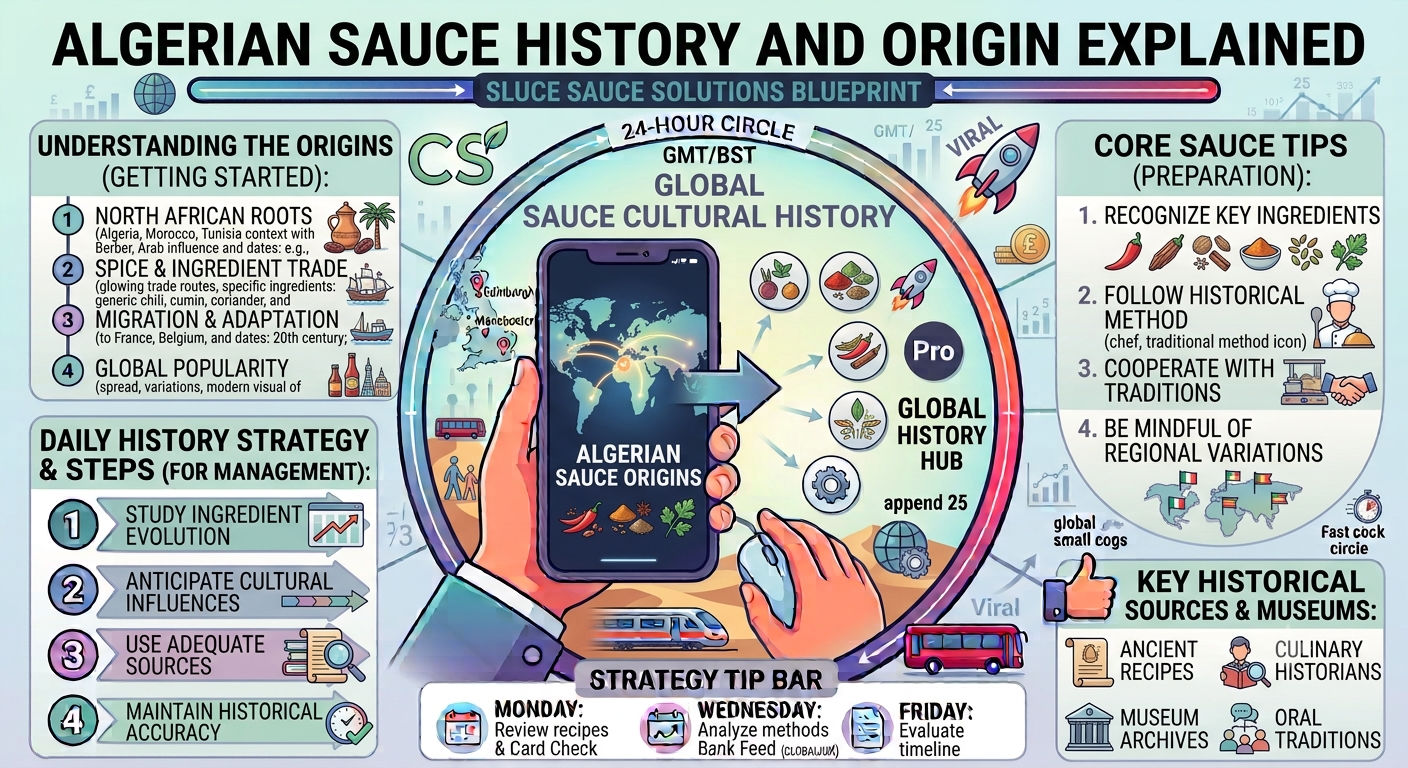
The history of Algerian sauce is layered. Early mentions appear in French culinary texts, but the modern commercial version emerged later.
Early References (19th–20th Century)
Sauce algérienne was documented as far back as 1876 in Le livre des menus by Fin-Bec. In 1962, Ernest Loewer described a version with half-sautéed tomatoes stuffed with julienned peppers, served with croquette potatoes. These early iterations were more vegetable-focused and less like today’s creamy dip.
These references likely stem from French colonial connections to North Africa, where Maghrebi flavors influenced European cuisine.
The Modern Invention: 1970s Belgium and Nawhal’s
The contemporary algerian sauce we know today largely originated in Belgium and northern France in the 1970s. It is often credited to Nawhal’s (or Nawhals), a halal sauce company. Founder Hassan El Jallab, a Moroccan entrepreneur based in Belgium, created or popularized the spicy onion-harissa mayonnaise blend.
Nawhal’s drew inspiration from mahjouba (or majuba), an Algerian stuffed semolina crepe filled with spicy onions, tomatoes, and spices. They adapted this filling into a versatile sauce for kebab shops and friteries. This explains the name evoking Algerian flavors despite non-Algerian origins.
The sauce gained traction in immigrant communities and fast-food outlets, spreading across Europe. Industrial production by companies in Belgium, France, and North Africa followed, leading to variations in heat and sweetness.
This origin story highlights cultural exchange: North African spices met European mayonnaise traditions in diasporic food scenes.
Algerian Sauce Ingredients: Traditional and Commercial
Algerian sauce ingredients vary slightly by recipe or brand, but core elements remain consistent.
Typical homemade or authentic components:
- Mayonnaise (base for creaminess; vegan versions use plant-based mayo)
- Finely chopped red or white onions (for crunch and pungency)
- Harissa paste (for heat and color)
- Tomato paste (adds sweetness and depth)
- Garlic (fresh crushed)
- Fresh cilantro (or parsley)
- Ground cumin
- Lemon juice or vinegar (for tang)
- Sugar (to balance flavors)
- Optional: Mustard, black pepper, chili flakes
Commercial versions, like Nawhals Algerian sauce, often include rapeseed oil, tomato paste, onions, vinegar, and spices. They are formulated for shelf stability and mass appeal.
| Ingredient | Purpose | Common Substitutions |
|---|---|---|
| Mayonnaise | Creamy base and emulsion | Vegan mayo or Greek yogurt mix for lighter version |
| Harissa Paste | Spicy, smoky heat | Sambal oelek (less authentic) |
| Onions (finely chopped) | Texture and sharpness | Red onions preferred for color |
| Tomato Paste | Sweetness and color | None ideal; concentrate is key |
| Cumin & Cilantro | Earthy, fresh Maghrebi notes | Parsley if cilantro-averse |
| Lemon Juice/Sugar | Balance acidity and sweetness | Honey or adjust to taste |
This table shows how flexible yet distinctive the sauce remains.
How to Make Algerian Sauce at Home
Learning how to make algerian sauce is straightforward. It takes about 10 minutes and yields a fresher result than bottled versions.
Simple Homemade Algerian Sauce Recipe (makes about 1.5–2 cups):
Ingredients:
- 1 small red onion, very finely chopped (≈ ½ cup)
- 2–3 Tbsp fresh cilantro, chopped
- 1–2 garlic cloves, crushed
- 1 cup mayonnaise (or vegan alternative)
- 1–2 Tbsp lemon juice, to taste
- 3–6 Tbsp harissa paste (adjust for spice level)
- 1.5 Tbsp tomato paste
- 1 tsp ground cumin (toast for better flavor)
- 1 tsp sugar
- Pinch of salt (optional)
Instructions:
- Finely chop the onion and cilantro. Place in a mixing bowl with crushed garlic.
- Add mayonnaise, lemon juice, harissa, tomato paste, cumin, and sugar.
- Whisk thoroughly until smooth and well combined. Taste and adjust seasoning more harissa for heat, lemon for tang, or sugar for balance.
- Refrigerate for at least 1 hour (ideally) to let flavors meld. It tastes even better the next day.
Tips:
- Use high-quality harissa (e.g., Le Phare du Cap Bon).
- For a lighter version, replace part of the mayo with Greek yogurt.
- Store in an airtight container in the fridge for up to 10 days (4 days if using yogurt).
Homemade versions allow customization, which is why many “mums Algerian sauce” recipes (family-style or homemade) emphasize fresh ingredients and personal tweaks.
Algerian Sauce in the UK: Availability and Brands
In the UK, algerian sauce UK enthusiasts can find it easily. Supermarkets stock commercial options:
- Algerian sauce Asda and algerian sauce Tesco: Look for Calvé Halal Algérienne Style or similar house brands. These are convenient for quick meals.
- Nawhals Algerian sauce: Often considered the original or premium choice, available online or in specialty stores (e.g., 950g bottles on Amazon).
- Other brands: Delissia, Colona, or generic halal options in ethnic aisles.
UK versions cater to British tastes, sometimes milder. Check halal certifications for authenticity.
Cultural Significance and Modern Popularity
Algerian sauce embodies fusion cuisine. It bridges Maghrebi heritage with European fast food, especially in French tacos a beloved street food in France featuring fries, meat, cheese, and sauces wrapped in a tortilla.
Its rise parallels the growth of kebab shops and friteries in Belgium and France. Today, it’s a globalized product, with variations in North Africa reclaiming it as part of local food culture.
Deep insight: The sauce’s success lies in its versatility and emotional resonance. For many in the diaspora, it evokes home-cooked flavors in convenient form. Its sweetness cuts through rich meats, while spice adds excitement perfect for bold palates.
Variations and Pairings
- Spicier versions: Extra harissa for heat lovers.
- Milder family recipes: “Mums Algerian sauce” might tone down chili for kids.
- Pairings: French fries, gyros, burgers, grilled chicken, or as a sandwich spread.
Experimentation keeps it relevant across generations.
FAQ: Common Questions About Algerian Sauce
1. What is Algerian sauce made of?
It’s primarily a mayonnaise base with harissa, tomato paste, chopped onions, garlic, cumin, cilantro, lemon, and sugar. Commercial versions list specific preservatives.
2. Is Algerian sauce actually from Algeria?
Not originally. Modern versions trace to Belgium/France in the 1970s, inspired by Algerian mahjouba flavors. Early mentions exist in French cuisine.
3. Where can I buy Algerian sauce in the UK?
At Tesco, Asda, or online via Amazon (Nawhal’s or similar). Ethnic grocery stores often carry it too.
4. How spicy is Algerian sauce?
It varies. Start mild and adjust harissa. Commercial bottles often label heat levels.
5. Can I make vegan Algerian sauce?
Yes use vegan mayonnaise. The rest of the ingredients are typically plant-based.
6. How long does homemade Algerian sauce last?
Up to 10 days in the fridge. Use fresh ingredients for best quality.
7. What does Algerian sauce taste like?
Sweet, tangy, spicy, and creamy with onion crunch. It’s addictive on fries or tacos.
Conclusion
The story behind algerian sauce history and origin is one of migration, innovation, and flavor fusion. From 19th-century French menus to Nawhal’s iconic creation, it has evolved into a beloved condiment worldwide. Whether you grab a bottle of Nawhals Algerian sauce, find it at Tesco or Asda, or whip up your own how to make Algerian sauce version at home, it delivers bold satisfaction.