






In a world dominated by sleek devices and seamless integration, Mac Računala Croatian for “Mac computers” continue to captivate users with their blend of innovation, reliability, and user-centric design. If you’ve ever wondered why professionals, creatives, and everyday enthusiasts swear by Apple Mac systems, you’re in the right place. These machines aren’t just computers; they’re gateways to a ecosystem that prioritizes creativity and efficiency. As we hit October 2025, with the latest M5 chips powering everything from ultraportable laptops to powerhouse desktops, understanding Mac Računala has never been more relevant. Whether you’re upgrading from a PC, diving into video editing, or simply seeking a device that “just works,” this guide dives deep into the history, features, and future of Apple Mac computers. Let’s explore why Mac Računala remain a top choice for millions worldwide.
A Brief History of Mac Računala: From Revolution to Staple
The story of Mac Računala begins in the early 1980s, a time when personal computing was clunky and inaccessible. Apple, founded by Steve Jobs, Steve Wozniak, and Ronald Wayne in 1976, had already made waves with the Apple II. But it was the Macintosh launched on January 24, 1984 that truly democratized computing. Priced at $2,495 (about $7,600 today), the original Macintosh 128K featured a groundbreaking graphical user interface (GUI), mouse, and icons—concepts borrowed from Xerox PARC but refined for the masses. The launch ad, a dystopian “1984” spot directed by Ridley Scott and aired during Super Bowl XVIII, positioned it as a rebellion against IBM’s dominance.
This wasn’t just hardware; it was a philosophy. Jef Raskin, the project’s visionary, aimed for an “appliance-like” computer that anyone could use without a manual. Early adopters loved the all-in-one design, but challenges like limited RAM (128KB) and no hard drive meant it was more novelty than necessity. By 1985, Jobs’ ousting from Apple led to a lull, but the Mac evolved. The Macintosh Plus in 1986 introduced SCSI ports and expandable RAM, while the Mac II series brought color graphics and modularity.
The 1990s were turbulent. Apple’s market share dipped below 5% amid competition from Windows PCs, culminating in a near-bankruptcy in 1997. Jobs’ return that year sparked a renaissance. The iMac G3 (1998), with its translucent, candy-colored case, sold 800,000 units in five months, proving aesthetics could drive sales. PowerBooks followed, blending portability with power. The 2000s saw the shift to Intel processors in 2006, boosting performance and compatibility, and the introduction of MacBook Air in 2008 the world’s thinnest laptop at the time.
Fast-forward to 2020: Apple’s silicon revolution with the M1 chip marked a new era for Mac Računala. Custom ARM-based processors delivered unmatched efficiency, outpacing Intel rivals in benchmarks while sipping battery life. By 2025, the M5 series debuting in the latest MacBook Pro and iPad Pro pushes boundaries further, with enhanced AI capabilities via a dedicated Neural Engine. Today, Mac Računala aren’t just surviving; they’re thriving, holding about 10% of the global PC market but dominating premium segments like creative pros (over 50% share in video editing software usage).
This evolution underscores a core truth: Mac Računala have always prioritized the user experience over raw specs, influencing everything from modern UI design to touch gestures. For Croatian users searching for “Mac Računala,” this legacy means devices that feel intuitive, whether you’re a Zagreb-based designer or a Split entrepreneur.
The Current Mac Računala Lineup: What’s Available in October 2025
Apple’s Mac Računala portfolio in 2025 is more diverse than ever, catering to students, professionals, and power users. Powered by Apple silicon (M4 and M5 chips), these machines emphasize performance per watt, stunning displays, and ecosystem integration with iPhone and iPad. Let’s break down the key models.
MacBook Air: The Everyday Powerhouse
The MacBook Air remains the entry point for most, with the 2025 refresh featuring the M4 chip. Available in 13.6-inch and 15.3-inch sizes, it starts at $999, boasting up to 18 hours of battery life and a Liquid Retina display hitting 500 nits brightness. Ideal for web browsing, light editing, and streaming, its fanless design ensures whisper-quiet operation. The 15-inch model’s roomy screen makes it a favorite for multitasking, while MagSafe charging and dual Thunderbolt ports add practicality.
MacBook Pro: For Pros Who Demand More
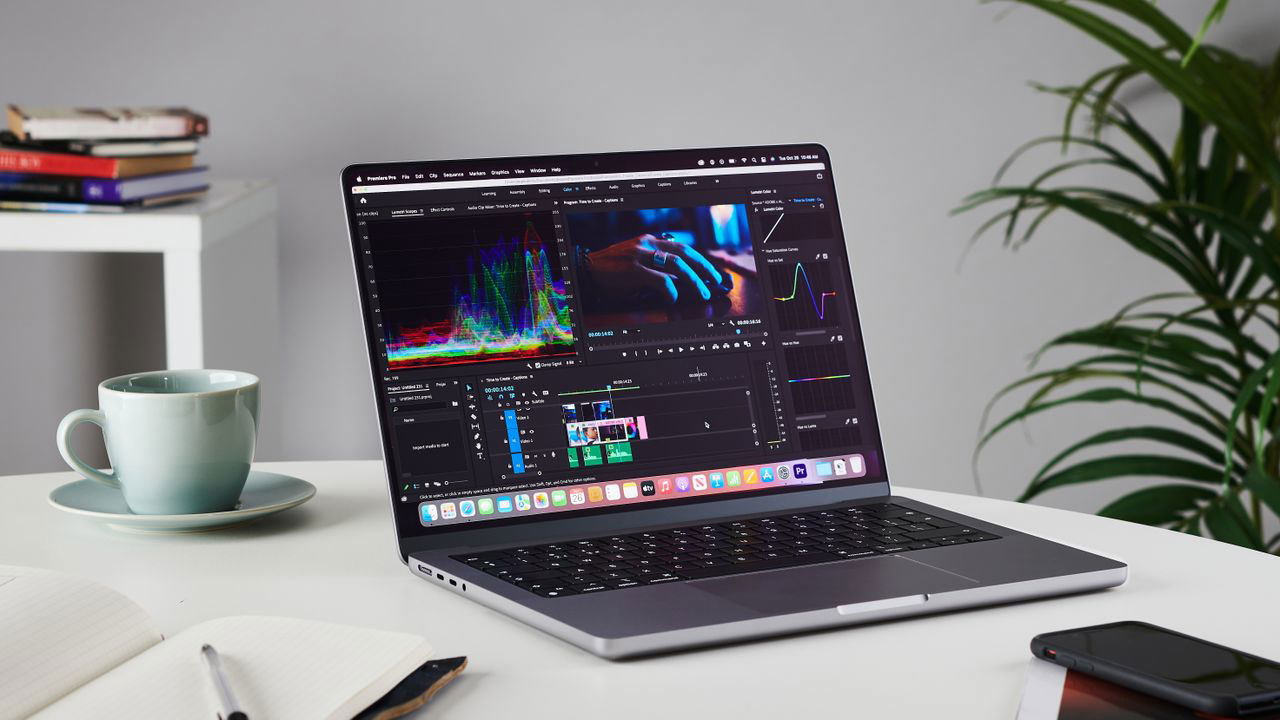
Stepping up, the 14-inch and 16-inch MacBook Pros now rock the M5 chip, announced just weeks ago at Apple’s October event. Starting at $1,599, these beasts offer up to 128GB unified memory, ray-tracing GPUs for 3D rendering, and a mini-LED XDR display with 1,600 nits peak brightness. The M5 Pro variant crushes 8K video exports in Final Cut Pro, 40% faster than M4. Ports galore—HDMI, SDXC, and three Thunderbolt 5 make it a desktop replacement.
Desktops: iMac, Mac Mini, and Beyond
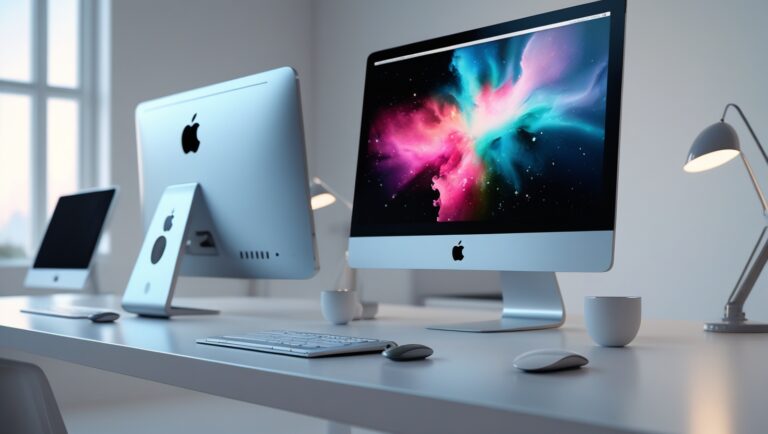
For stationary setups, the 24-inch iMac (M4, $1,299) combines a vibrant 4.5K Retina display with a slim aluminum chassis, perfect for home offices. The Mac Mini ($599 base) is Apple’s sleeper hit: compact, upgradable to M5, and versatile for media servers or NAS builds. Higher-end options like Mac Studio (M4 Max/Ultra, $1,999) and Mac Pro (M5 Ultra, $6,999) target 3D artists and scientists, with up to 192GB memory and 16 CPU cores.
Rumors swirl of a 2026 OLED MacBook Pro and M6 iMac, but for now, the M5 era dominates. All run macOS Tahoe, Apple’s latest OS (more on that below).
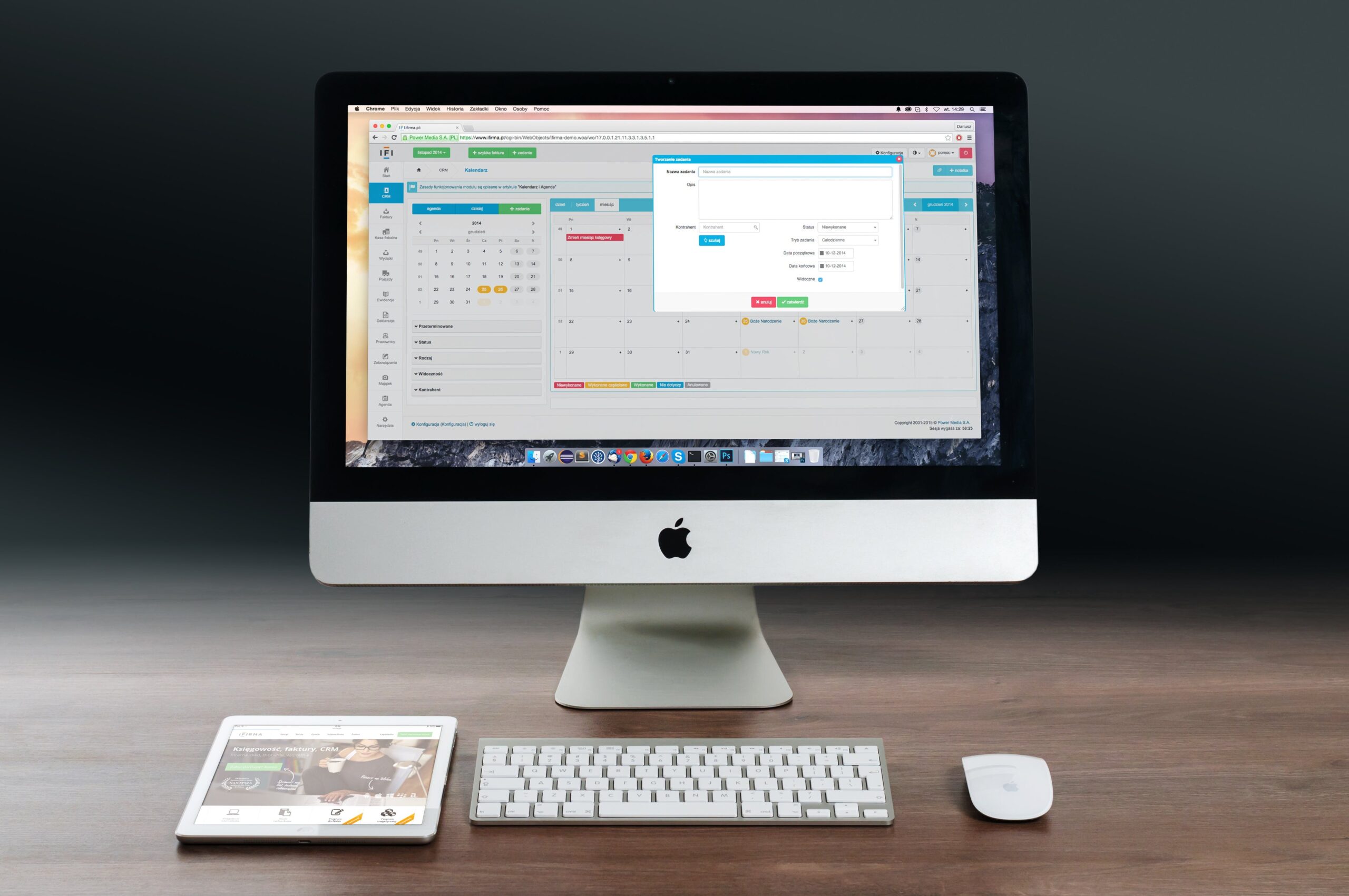
To help you compare, here’s a quick specs table for the 2025 Mac Računala lineup:
| Model | Chip Options | Display Size | Starting Price (USD) | Battery Life (Video Playback) | Best For |
|---|---|---|---|---|---|
| MacBook Air (13″) | M4 | 13.6″ Retina | $999 | Up to 18 hours | Students, travel |
| MacBook Air (15″) | M4 | 15.3″ Retina | $1,299 | Up to 18 hours | Multitasking, media |
| MacBook Pro (14″) | M5/M5 Pro | 14.2″ XDR | $1,599 | Up to 22 hours | Video editors, coders |
| MacBook Pro (16″) | M5/M5 Max | 16.2″ XDR | $2,499 | Up to 22 hours | 3D rendering, pros |
| iMac (24″) | M4 | 24″ 4.5K | $1,299 | N/A (Desktop) | Family, creatives |
| Mac Mini | M4/M5 | External | $599 | N/A | Home servers, budgets |
| Mac Studio | M4 Max/Ultra | External | $1,999 | N/A | Audio production |
| Mac Pro | M5 Ultra | External | $6,999 | N/A | AI research, VFX |
This table highlights how Apple tailors Mac Računala for specific needs, balancing portability and power.
macOS Tahoe: The Software Heart of Mac Računala
No discussion of Mac Računala is complete without macOS, Apple’s operating system. As of October 2025, macOS 26 Tahoe is the latest release, shifting from California-themed names to natural wonders like Tahoe Lake. Built on a Unix foundation, it offers rock-solid stability, with over 90% of Macs running the latest version within months of launch far outpacing Windows.
Key Tahoe features include enhanced Apple Intelligence for on-device AI (e.g., smarter Siri that understands context across apps), improved window tiling for productivity, and Game Mode 2.0 for console-like gaming on M5 hardware. Security shines with Gatekeeper and XProtect, blocking 99% of known malware without nagging antivirus. Integration is seamless: AirDrop files to your iPhone, use Continuity Camera for pro-grade video calls, or hand off editing sessions from MacBook to iPad.
For developers, Xcode 26 leverages Tahoe’s Metal API for GPU-accelerated apps, while creatives love the native support for ProRes and AV1 codecs. In benchmarks, Tahoe on M5 boots 20% faster than Sonoma on M4, with app launches under 0.5 seconds. If you’re transitioning from Windows, the free Migration Assistant copies everything effortlessly.
Pros and Cons of Mac Računala in 2025: A Balanced View
Mac Računala excel in many areas, but they’re not perfect. Here’s a candid breakdown based on real-user feedback and expert tests.
The Pros
- Unmatched Build Quality and Longevity: Aluminum unibodies resist dents, and batteries retain 80% capacity after 1,000 cycles. Resale value is stellar a 2023 MacBook Air fetches 70% of original price in 2025.
- Battery Life and Efficiency: M5 chips deliver 20+ hours on Pro models, ideal for remote work. No overheating during heavy loads.
- Ecosystem Synergy: Handoff, Universal Clipboard, and Sidecar turn your devices into one unit. For Croatian users, localized keyboards and Siri in regional dialects enhance accessibility.
- Creative Edge: Optimized for Adobe Suite and Logic Pro, with hardware-accelerated effects. In PugetBench tests, M5 Pro scores 2,500+ in Premiere Pro beating most Windows laptops.
- Privacy and Security: End-to-end encryption and App Tracking Transparency set a high bar.
The Cons
- Price Premium: Entry-level MacBook Air costs $300 more than comparable Windows ultrabooks, though total ownership (including longevity) evens out.
- Limited Upgradability: Soldered RAM and storage mean buy what you need upfront frustrating for tinkerers.
- Gaming Lag: While Tahoe improves it, Mac Računala trail Windows in AAA titles due to fewer native ports (though Rosetta 2 bridges Intel apps seamlessly).
- Port Scarcity on Base Models: Air lacks HDMI; adapters add clutter.
- Repair Challenges: Self-service kits exist, but Genius Bar dependency raises costs.
Overall, pros outweigh cons for 80% of users, especially in creative fields where Mac holds 60% market share. If gaming or heavy customization is your jam, consider Windows alternatives like Dell XPS.
Why Mac Računala Stand Out in a PC-Dominated World
In 2025, PCs outsell Macs 9:1, yet Apple commands 52% of U.S. premium laptop revenue. Why? It’s the intangibles. Mac Računala feel premium gestures like three-finger swipe for Mission Control are addictive, and the trackpad rivals any mouse. Sustainability matters too: 100% recycled aluminum and carbon-neutral shipping align with eco-conscious buyers.
For businesses, macOS’s Unix roots make it dev-friendly (think Homebrew for packages), and remote management via MDM is straightforward. In Europe, including Croatia, VAT-inclusive pricing and EU-compliant repairs make Mac Računala accessible via resellers like iStyle.
Looking ahead, Apple’s M6 roadmap promises OLED screens and even thinner designs by 2026, keeping Mac Računala ahead. If you’re eyeing “Mac Računala cijena” (prices), factor in bundles with AppleCare+ for peace of mind.
How to Choose the Right Mac Računala for Your Needs
Selecting a Mac isn’t one-size-fits-all. Start with your workflow: Casual? Go Air. Pro-level? Pro it is. Budget under $1,000? Refurbished M3 models via Apple’s site save 15%.
Test in-store: Feel the keyboard (Magic Keyboard on Pros has scissor switches for precision). Customize wisely 16GB RAM minimum for future-proofing. For Croatians, check local availability on Apple’s EU site or partners like Tehnotron.
Accessories elevate: Studio Display ($1,599) for iMac setups, or Magic Trackpad for desktops. Trade-ins via Apple give up to $650 credit.
FAQ: Common Questions About Mac Računala
1. What does “Mac Računala” mean?
“Mac Računala” is the Croatian translation for Apple Mac computers, referring to the full lineup of desktops and laptops running macOS.
2. Are Mac Računala worth the higher price in 2025?
Yes, for most—superior battery, build, and resale value offset the premium. If budget’s tight, start with a Mac Mini.
3. Can I run Windows apps on Mac Računala?
Absolutely, via Parallels Desktop or Boot Camp. Rosetta 2 handles Intel apps transparently on Apple silicon.
4. What’s the latest chip in Mac Računala?
The M5 series, debuting in October 2025 MacBook Pros, offers 30% faster CPU than M4 with advanced AI.
5. How do I update to macOS Tahoe?
Go to System Settings > General > Software Update. It’s free and seamless for compatible Mac Računala (2018+ models).
6. Is gaming viable on Mac Računala?
Better than ever with Tahoe’s Game Mode, but for hardcore, pair with cloud services like GeForce Now.
7. Where can I buy Mac Računala in Croatia?
Official stores in Zagreb/Split, or online at Apple.com/hr with free delivery.
Wrapping Up: Embrace the Mac Računala Experience
From its rebellious 1984 debut to the AI-infused M5 era, Mac Računala have redefined what a computer can be—intuitive, powerful, and beautifully integrated. Whether you’re drawn to the portability of a MacBook Air or the might of a Mac Pro, these Apple Mac computers deliver insights into productivity that PCs often miss. In 2025, with macOS Tahoe elevating creativity and efficiency, there’s no better time to join the fold.